Login / Register









 Trolleys & Hand Trucks
 Cage Trolleys
 Cleaning Carts & Trolleys
 Construction Trolleys
 Custom Trolleys
 Hand Trucks & Dollies
 Laundry/Linen Trolleys
 Lifting Trolleys
 Order Picking Trolleys
 Panel Cart Trolleys
 Platform Trolleys
 Powered Trolleys
 Shelf & Tiered Trolleys
 Shopping Trolleys
 Stainless Steel Trolleys
 Tool Trolleys
 Utility & Service Carts
 Lifting & Handling Equipment
 Forklift Attachments
 Jib Attachments
 Lifting Hoists & Pallet Hooks Accessories
 Load Skates & Tow Tugs
 Manual Stackers & Lifters
 Pallet Jacks
 Pallet Lifters
 Pallet Rotators & Dispenser
 Powered Pallet Trucks & Electric Lifters
 Scissor Lift Trolleys and Tables
 Conveyor Equipment
 Conveyor Frames & Stands
 Roller & Skate Conveyors
 Ladders & Access Equipment
 Container & Yard Ramps
 Ladders & Step Stools
 Work Platforms & Crane Cages
 Drum Handling Equipment
 Drum Storage & Bunding
 Drum Trolleys & Lifters
 Forklift Drum Handling
 Waste Handling & Bins
 Bin Lifters & Tippers
 Plastic Waste & Wheelie Bins
 Steel Waste & Tipping Bins
 Waste Carts
 Dangerous Goods Storage & Spillage
 Aerosol Cans Storage Cages
 Bunded Pallets & Storage
 Corrosive Goods Storage Cabinets
 DG Storage & Trolleys
 Flammable Liquid Cabinets
 Forklift Gas Storage Cages
 Gas Cylinder Storage Bays
 Site Storage
 Spill Kits
 Shelving & Storage Equipment
 Stillage & Transport Cages
 750 Series Cage Configurations
 Heavy Duty Cabinets
 Heavy Duty Longspan Shelving
 Heavy Duty Shelving
 Mega Bins & Pallets
 Packing & Workbenches
 Parts Trays & Stor-Pak Bins
 Pegboard & Louvre Panels
 Plastic Bins & Crates
 Plastic Handling Solution Bins
 Plastic Pallets
 Stack & Nest Bins
 Pallet Racking Accessories
 Workplace Equipment
 Modular Workbenches
 Electric Height-Adjustable Workbenches
 Floor Matting
 General Workplace Equipment
 Industrial Weighing Scales
 Packaging Machinery
 Stationery Cupboards
 Storage and Stillage Cages
 Tool Trolleys
 Tooling Cabinets
 Workshop Fans and Coolers
 Safety Barriers, PPE & Signage
 Modular Safety Fence System
 Barriers & Bollards
 First Aid Equipment
 Gloves, Knives and PPE
 Signage
 Cleaning & Site Supplies
 Cleaning Equipment
 Cleaning Trolleys
 Rubbish Bins
 Signs & Traffic Supplies
 Construction Equipment
 Construction Trolleys
 Waste Handling
 General Site Equipment
 Concrete Equipment
 Site Storage
 Lifting Equipment
 Spring Workplace Selections
Verdex Insights: At a Glance
-
The Challenge: Construction and industrial sites involve multiple moving parts (people, plant and materials) which can quickly create risk without a clear setup plan.
-
The Insight: Effective site safety starts with structured layout planning, but it relies on the right equipment to define zones, guide movement and control access.
-
The Verdex Approach: Verdex supplies practical site equipment that helps translate planning into safe, organised and efficient work environments.
Setting Up a Safe and Efficient Construction Sites
How Planning and the Right Equipment Improve Safety and Workflow
From warehouses and factories to large outdoor construction sites, effective site setup is one of the most important steps in creating a safe, productive work environment. Before tools are unpacked and machines start, decisions about zoning, access, material storage and traffic movement determine how smoothly the day will go — and how well risks are controlled.
This blog will walk you through key elements of a structured site setup — defining work zones, separating pedestrians from vehicles, organising material storage, creating safe access paths, and placing temporary barriers and bollards, and signage — and explain how equipment supports clear walkways, safer loading areas, controlled access and reduced site clutter.
Clear, construction equipment and visible signage also plays a key role in guiding movement and reinforcing safety across active construction areas.
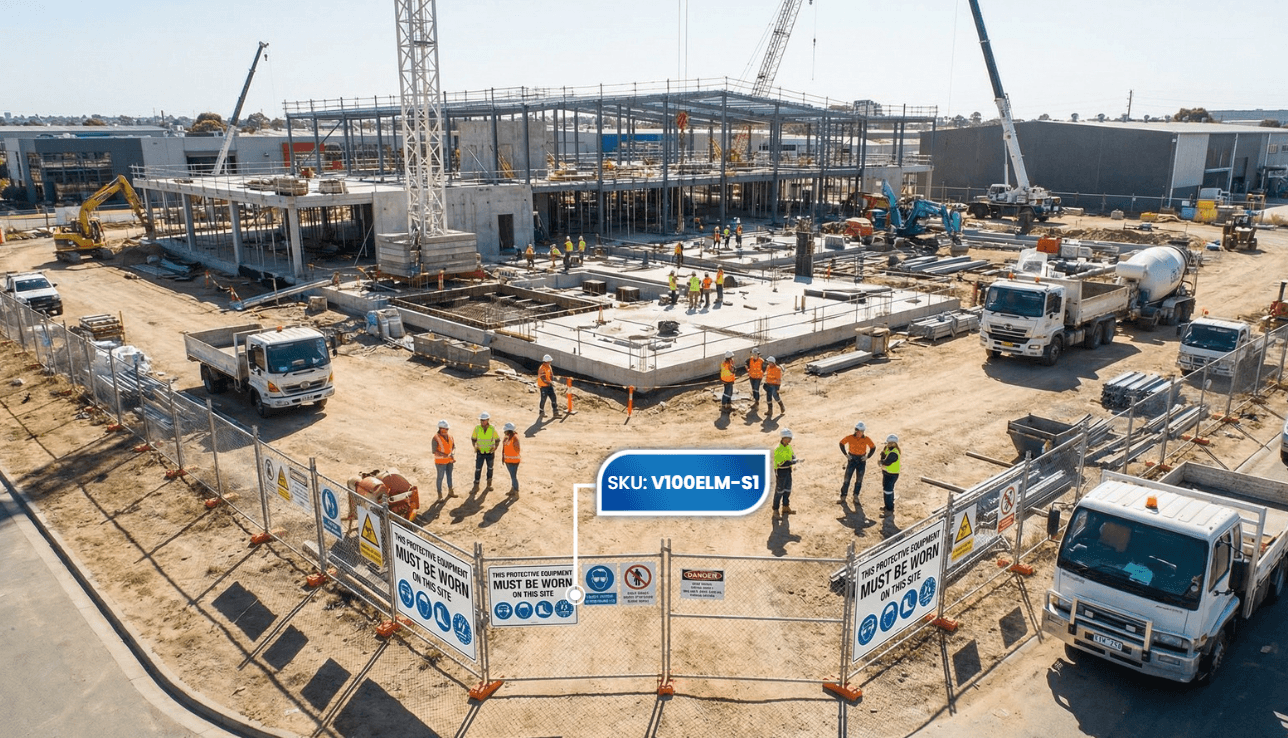
Why Site Planning Matters
Construction and industrial worksites are dynamic spaces with multiple hazards: moving plant, deliveries, materials, pedestrians, and ongoing activities that change daily. Without a considered setup plan, these elements quickly intersect, increasing the potential for accidents, confusion and inefficiency.
Effective site setup is more than a tick box exercise — it’s a proactive risk management tool that:
-
Prevents collisions between people and machinery
-
Minimises trip and fall hazards
-
Reduces wasted time searching for tools or materials
-
Enhances communication and worker awareness
Equipment plays a crucial role in implementing that plan effectively. From barriers and signage to pallet racking and access mats, the right tools bring planning to life.
For a broader overview of common workplace risks and how to manage them, see our guide on Common Workplace Safety Hazards and How to Prevent Them.
Defining Work Zones
One of the first steps in site setup is defining work zones — areas where specific activities are performed. Clear zones reduce confusion and help workers know where tasks are meant to happen.
Zones might include:
-
Loading and unloading areas
-
Assembly or fabrication areas
-
Storage yards
-
Pedestrian walkways
-
Heavy vehicle access lanes
How Equipment Helps
Using temporary barriers, bollards, safety tape, and traffic delineators helps establish physical boundaries between zones. For example:
-
Safety barriers create clear separation between work areas and high traffic zones.
-
Bollards and posts help define vehicle limits in yards or warehouse aisles.
-
Safety chains and tape are flexible solutions for quickly delineating zones in changing work environments.
This structured separation reduces the chance that people unknowingly enter hazardous zones or interfere with moving plant.
For more insights on site barriers, see our related blog on Common Warehouse Safety Barriers and When to Use Them, which explains how fixed and temporary barriers support safer environments.
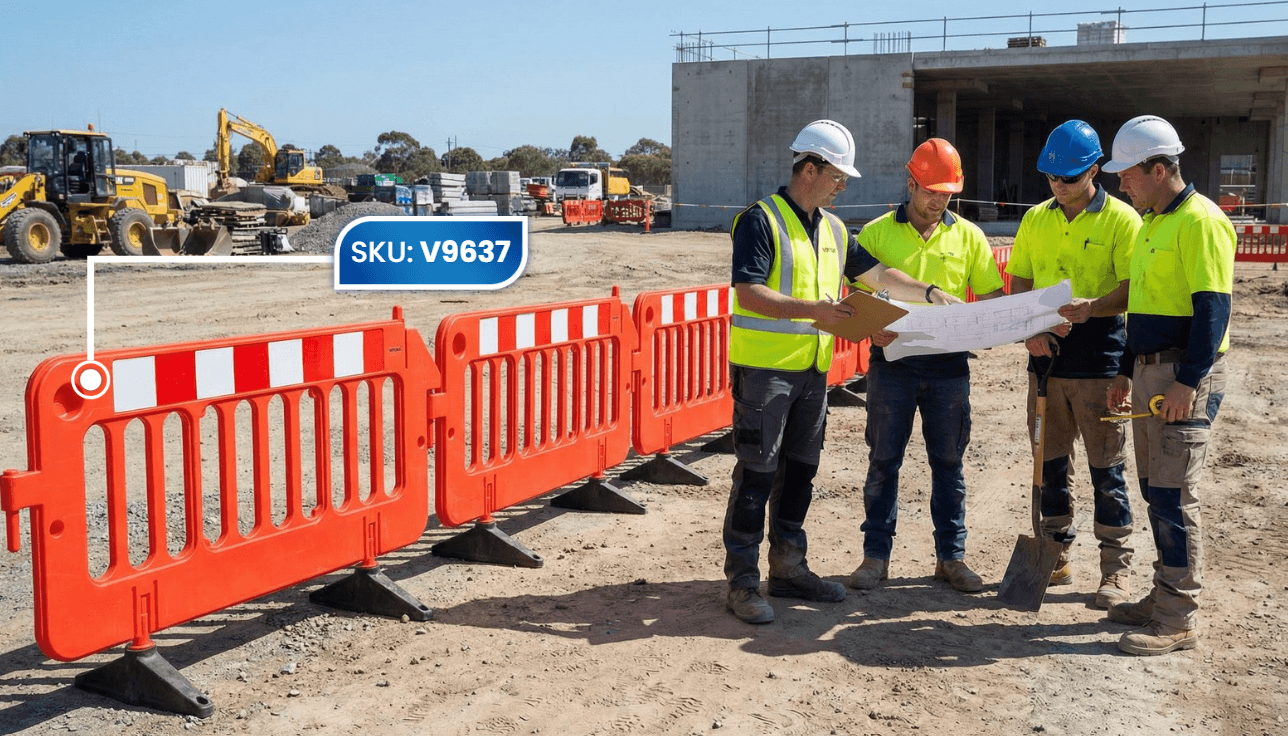
Separating Pedestrians and Vehicles
One of the biggest risks on industrial and construction sites is interaction between pedestrians and vehicles — whether forklifts, delivery trucks, or site machinery.
Separation Strategies
-
Designated walkways for pedestrians
-
Clear vehicle routes with appropriate width and visibility
-
Barriers and signage at intersection points
-
Speed limits and traffic calming measures
Equipment That Supports Separation
-
Pedestrian barriers and guardrails provide physical separation between foot traffic and machinery routes.
-
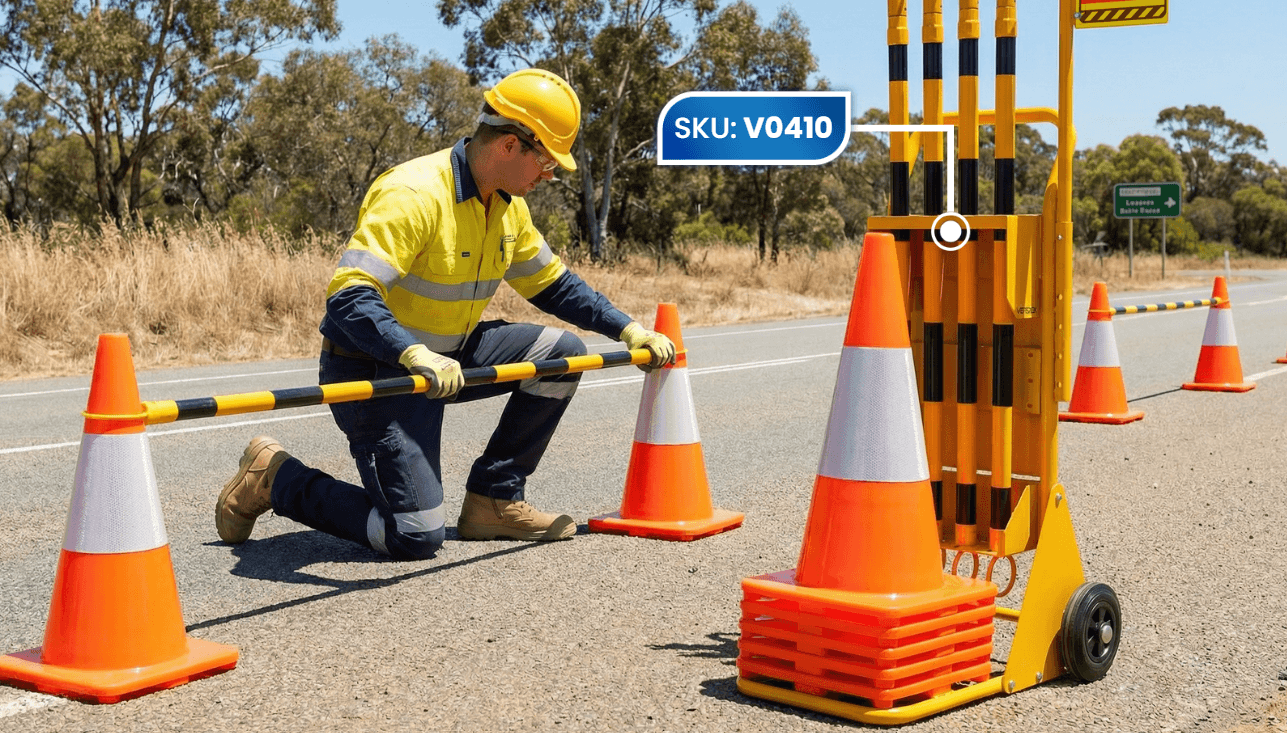
Traffic cones, especially with reflective bands, help create visible, temporary lanes for vehicles — ideal for changing site layouts.
-
Retractable barriers (e.g., cone top retractable barriers) convert cones into continuous pedestrian guides, especially useful during high traffic periods or night shifts.
This strategic separation — backed by suitable equipment — significantly decreases the likelihood of vehicle related injuries.
Organising Material Storage
Unplanned material placement creates clutter, blocked pathways and hidden hazards. An organised storage strategy makes workflow smoother and reduces risks.
Practical Tips
-
Cluster similar materials together to reduce search time and prevent misplacement
-
Keep heavy items on low shelving to reduce lifting hazards
-
Separate flammable or hazardous materials according to safety requirements
-
Use pallets and racks to lift materials off the ground
Equipment That Helps
-
Pallet racking and shelving systems make storage orderly and accessible.
-
Cages and stillages help contain materials securely and safely.
-
Marked storage zones (using floor tape or painted lines) help workers quickly identify where materials belong.
Good material storage supports clear walkways, reduces clutter and speeds up both loading and retrieval — all of which improve safety and productivity.
Creating Safe Access Paths
Safe and obvious access paths are essential — whether inside a manufacturing facility, in an outdoor yard, or across a multi level construction site.
What to Consider
-
Keep walkways unobstructed by equipment or materials
-
Ensure good visibility around corners and intersections
-
Provide proper lighting in low light or indoor environments
-
Define paths that accommodate both pedestrians and vehicles without conflict
How Equipment Assists
-
Safety signage identifies walkways, hazards and directions
-
Floor markings create visual guidance, especially where vehicles operate near foot traffic
-
Access ramps and mats provide safe movement across uneven outdoor surfaces
Equipment that improves visibility and organisation makes it easier for workers to follow planned paths and reduces the risk of unexpected encounters between pedestrians and machinery.
Temporary Barriers and Signage
Construction sites are constantly evolving. Temporary barriers and signage provide flexibility while maintaining structure and safety.
Why They Matter
-
Changes in work activities can temporarily introduce hazards
-
Visitors and contractors may be unfamiliar with site layout
-
Weather, deliveries and phased work zones often shift daily
Effective Tools
-
Temporary barriers help redirect foot traffic or block off active work zones
-
Warning signs (e.g., “Hard Hats Required,” “Vehicles Operating”) alert workers and visitors
-
Traffic delineators and barrier tapes create instant visual boundaries
The goal is to communicate expectations clearly — even in dynamic environments — so workers and visitors know where it’s safe to be and what hazards to watch for.
How Equipment Supports Clear Walkways
Clear walkways aren’t just tidy — they reduce slips, trips and falls, which are among the most common causes of workplace injuries.
Equipment That Helps
-
Floor marking tape or paint defines pedestrian zones
-
Barrier posts and chains keep walkways free of equipment
-
Temporary access mats or plates cover uneven ground in outdoor sites
By making walkways obvious and obstruction free, you reduce confusion and create a safer work environment for everyone — from long term employees to short term contractors.
How Equipment Creates Safer Loading Areas
Loading and unloading are high risk activities, particularly where vehicles and personnel interact.
Considerations for Safe Loading
-
Clearly mark loading zones
-
Separate personnel from vehicle movements
-
Provide stable surfaces for loading operations
-
Ensure loads are staged away from walkways
Supporting Tools
-
Traffic management products such as traffic cones, bollards and safety barriers help define the perimeter of loading zones
-
High visibility signage warns when vehicles are active
-
Dedicated staging racks or pallets keep materials off walkways until vehicles arrive
Clearly defined and physically supported loading areas reduce ambiguity and improve safety during busy operations.
How Equipment Supports Controlled Access
Controlling access ensures only trained personnel enter high risk zones.
Access Control Strategies
-
Limit entry points with barriers or fencing
-
Use signage and tag systems to communicate authorisation requirements
-
Provide designated contractor/visitor pathways separate from active work zones
Equipment Options
-
Barriers and fencing panels create physical limits
-
Retractable belts or barrier tape control access during peak activities
-
Signage systems communicate hazards, PPE requirements and directional information
Maintaining safe work zones also requires regular review. Learn more in our guide on How Often Should Workplace Safety Inspections Occur.
Controlled access promotes accountability and helps reduce unauthorised exposure to hazards.
How Equipment Reduces Site Clutter
A cluttered site is an unsafe site. Trip hazards, blocked pathways, and misplaced tools all increase risk.
Organising for Clarity
-
Use designated storage bays for tools and equipment
-
Implement clear material staging zones
-
Remove waste and scrap regularly
Tools That Help
-
Storage cages, stillages and racks contain materials and prevent spill outs
-
Tool dispensers and trolleys keep frequently used items ready and organised
-
Waste bins and segregated recycling stations keep pathways clear
Strategic placement of storage equipment supports both efficiency and safety by keeping work areas clean and navigable.
Set Up Safer, More Efficient Worksites with the Right Equipment
A well-planned site layout is only effective when supported by the right equipment. Barriers, signage, storage systems and traffic control solutions all play a role in turning planning into a safe, functional environment.
Verdex supplies a wide range of industrial workplace and construction site equipment designed to support safer work zones, clearer access paths and more organised site layouts.
If you’re setting up a new site or improving an existing one, speak with the Verdex team to find practical solutions suited to your site conditions and workflow.