Login / Register









 Trolleys & Hand Trucks
 Cage Trolleys
 Cleaning Carts & Trolleys
 Construction Trolleys
 Custom Trolleys
 Hand Trucks & Dollies
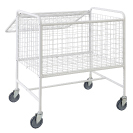 Laundry/Linen Trolleys
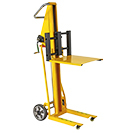 Lifting Trolleys
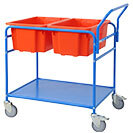 Order Picking Trolleys
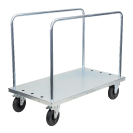 Panel Cart Trolleys
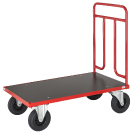 Platform Trolleys
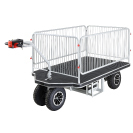 Powered Trolleys
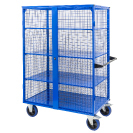 Shelf & Tiered Trolleys
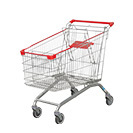 Shopping Trolleys
 Stainless Steel Trolleys
 Tool Trolleys
 Utility & Service Carts
 Lifting & Handling Equipment
 Forklift Attachments
 Jib Attachments
 Lifting Hoists & Pallet Hooks Accessories
 Load Skates & Tow Tugs
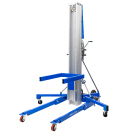 Manual Stackers & Lifters
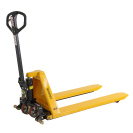 Pallet Jacks
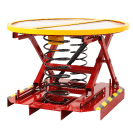 Pallet Lifters
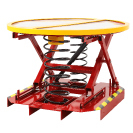 Pallet Rotators & Dispenser
 Powered Pallet Trucks & Electric Lifters
 Scissor Lift Trolleys and Tables
 Conveyor Equipment
 Conveyor Frames & Stands
 Roller & Skate Conveyors
 Ladders & Access Equipment
 Container & Yard Ramps
 Ladders & Step Stools
 Work Platforms & Crane Cages
 Drum Handling Equipment
 Drum Storage & Bunding
 Drum Trolleys & Lifters
 Forklift Drum Handling
 Waste Handling & Bins
 Bin Lifters & Tippers
 Plastic Waste & Wheelie Bins
 Steel Waste & Tipping Bins
 Waste Carts
 Dangerous Goods Storage & Spillage
 Aerosol Cans Storage Cages
 Bunded Pallets & Storage
 Corrosive Goods Storage Cabinets
 DG Storage & Trolleys
 Flammable Liquid Cabinets
 Forklift Gas Storage Cages
 Gas Cylinder Storage Bays
 Site Storage
 Spill Kits
 Shelving & Storage Equipment
 Stillage & Transport Cages
 750 Series Cage Configurations
 Heavy Duty Cabinets
 Heavy Duty Longspan Shelving
 Heavy Duty Shelving
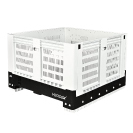 Mega Bins & Pallets
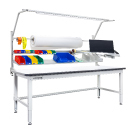 Packing & Workbenches
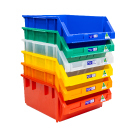 Parts Trays & Stor-Pak Bins
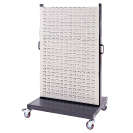 Pegboard & Louvre Panels
 Plastic Bins & Crates
 Plastic Handling Solution Bins
 Plastic Pallets
 Stack & Nest Bins
 Pallet Racking Accessories
 Workplace Equipment
 Modular Workbenches
 Electric Height-Adjustable Workbenches
 Floor Matting
 General Workplace Equipment
 Industrial Weighing Scales
 Packaging Machinery
 Stationery Cupboards
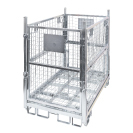 Storage and Stillage Cages
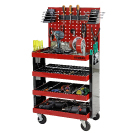 Tool Trolleys
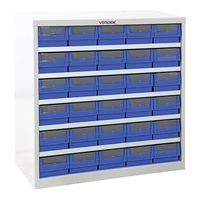 Tooling Cabinets
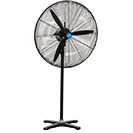 Workshop Fans and Coolers
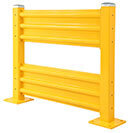 Safety Barriers, PPE & Signage
 Modular Safety Fence System
 Barriers & Bollards
 First Aid Equipment
 Gloves, Knives and PPE
 Signage
 Cleaning & Site Supplies
 Cleaning Equipment
 Cleaning Trolleys
 Rubbish Bins
 Signs & Traffic Supplies
 Construction Equipment
 Construction Trolleys
 Waste Handling
 General Site Equipment
 Concrete Equipment
 Site Storage
 Lifting Equipment
 Spring Workplace Selections


Categories
- Trolleys & Hand Trucks
- Lifting & Handling Equipment
- Conveyor Equipment
- Ladders & Access Equipment
- Drum Handling Equipment
- Waste Handling & Bins
- Dangerous Goods Storage & Spillage
- Shelving & Storage Equipment
- Workplace Equipment
- Safety Barriers, PPE & Signage
- Cleaning & Site Supplies
- Construction Equipment
- Spring Workplace Selections
Subcategories
Lifting Trolleys
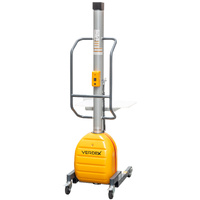
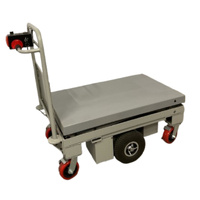

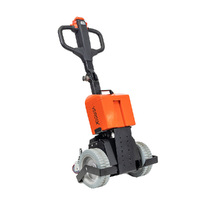
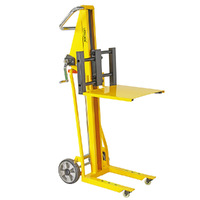
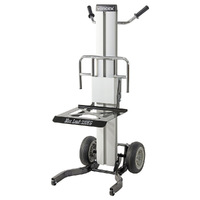
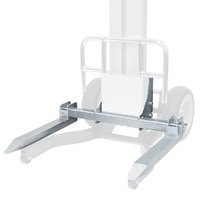
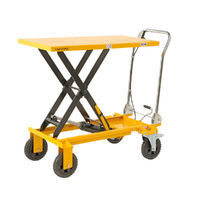
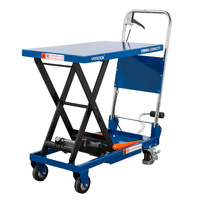
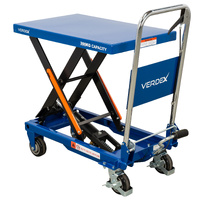
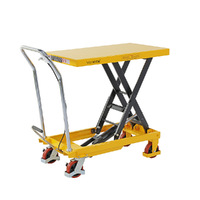
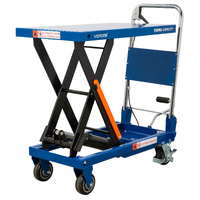
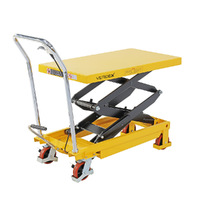
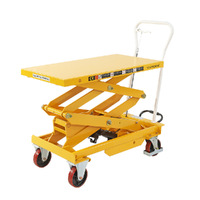
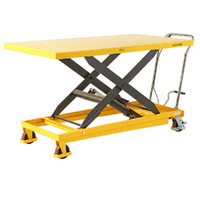
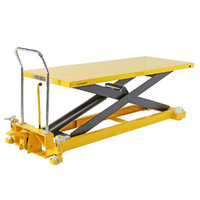
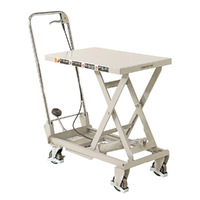
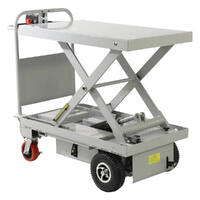
Code: V2081
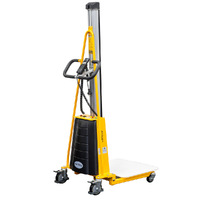
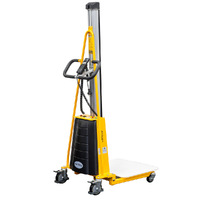
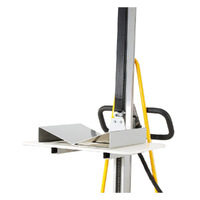
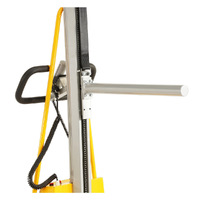
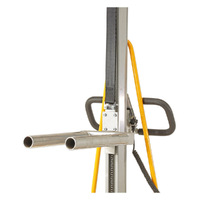
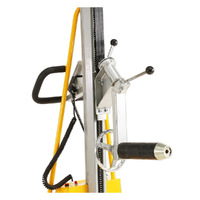
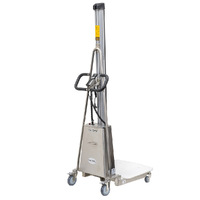
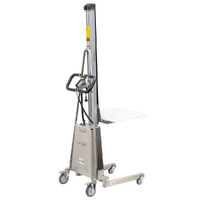
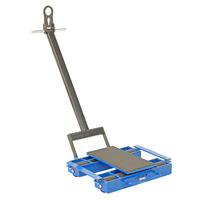
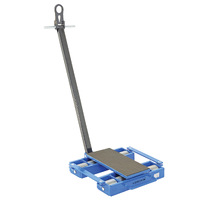
Self Propelled Electric Scissor Lift Trolley (single scissor)
Now $3,998.00 Was $4,465.00
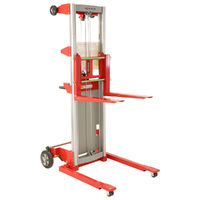
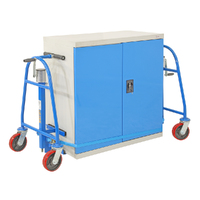
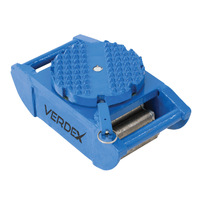
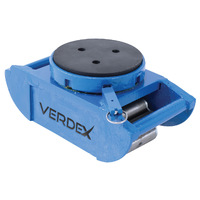
Lifting Trolleys FAQs
1. What are lifting trolleys used for?
Lifting trolleys are used to raise, lower, and transport heavy items safely in workplaces such as warehouses, workshops, and manufacturing facilities. They help reduce manual lifting, improve ergonomics, and make it easier to position loads at the correct working height.
2. What is the difference between a lifting trolley and a standard trolley?
A lifting trolley includes a mechanism to raise and lower the platform, while a standard trolley only transports items at a fixed height. The key difference is that lifting trolleys improve safety and reduce strain by allowing loads to be handled at an ergonomic working level.
3. How do I choose the right lifting trolley?
To choose the right lifting trolley, consider load capacity, lift height, and how often it will be used. Hydraulic lift trolleys are ideal for frequent lifting tasks, while manual models suit lighter or occasional use. You should also consider platform size and manoeuvrability based on your workspace.
4. Are hydraulic lift trolleys better than manual models?
Hydraulic lift trolleys are generally better for regular use because they make lifting heavier loads easier and more controlled. Manual lifting trolleys are suitable for lighter tasks or less frequent use. The main difference is ease of operation and the ability to handle heavier loads with less effort.
5. Are lifting trolleys suitable for heavy-duty use?
Yes, many lifting trolleys are designed for heavy-duty applications and can handle substantial loads safely. Choosing a model with the appropriate load capacity and lift range ensures reliable performance and safe operation in demanding environments.
6. What features improve safety when using a lifting trolley?
Features that improve safety include stable platform design, smooth lifting mechanisms, and reliable braking systems. Non-slip surfaces and controlled lowering functions also help prevent accidents. A well-designed lifting trolley reduces the risk of injury and improves handling of heavy loads.
Enhance Safety and Productivity with Lifting Trolleys in Australia
When it comes to handling heavy loads, lifting trolleys are a crucial asset for any commercial or industrial operation. From warehouses to construction sites, lifting trolleys provide a safe and efficient way to move heavy materials, machinery, and pallets.
In Australia, businesses are increasingly turning to lifting trolleys and trolley lifts for their ability to reduce manual handling and increase overall productivity.
Why Lifting Trolleys Are Essential for Your Business
Lifting trolleys simplify heavy lifting, making them vital for industries handling bulky items. They cater to specific needs like pallets, machinery, or bulk materials.
Meanwhile, carrying irregular loads with appliance lifting trolleys, platform trolleys, construction trolleys and hand trucks and dollies can ensure efficient transport in tight spaces and demanding environments, improving workplace safety and productivity.
Most Trusted Lifting Trolleys From Our Customers
Known for longevity and safety, these Lifting Trolleys are consistently top-rated:
-
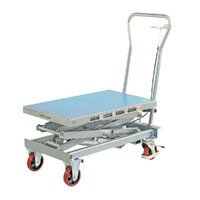
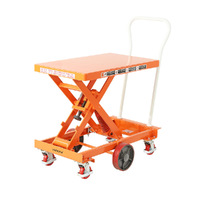
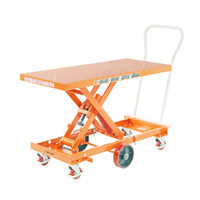
V2076 - Spring Scissor Lift Trolley with Centre Wheel Kit (X Large)
-
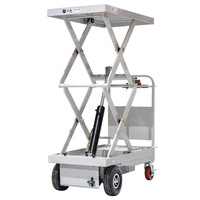
V2082 - Self Propelled Electric Scissor Lift Trolley (double scissor)
Key Features of Lifting Trolleys and Trolley Lifts
Hydraulic and Electric Lift Mechanisms
Hydraulic trolleys are perfect for those who need manual control, while electric lifts offer faster, more efficient lifting for larger operations. Both reduce the risk of injury or strain.
If you're dealing with bulk materials, you might also consider cage trolleys, which provide secure transport for goods while being easy to manoeuvre, panel cart trolleys or electric trolleys.
Robust Construction for Maximum Durability
Lifting trolleys can handle the toughest lifting tasks, from moving heavy machinery to bulk materials. For industries that demand more specialised and organised solutions, tool trolleys or utility and service carts may suit your operations.
For even more manoeuvrability, consider shelf and tiered trolleys for stacking and carrying multiple items, or stainless steel trolleys, which offer high corrosion resistance, making them an excellent choice for medical facilities, cleanrooms or kitchens requiring stringent hygiene standards.
Increased Workplace Safety
Employees can lift and transport heavy items safely, without the physical strain that often leads to musculoskeletal injuries. This not only improves safety but also enhances the well-being of workers, which is a significant consideration for businesses looking to comply with safety regulations.
In addition, laundry and linen trolleys provide safe and efficient solutions for handling linens in hospitals, hotels, and laundry facilities, ensuring safety and efficiency. While powered trolleys provide motorised assistance, improving workflow efficiencies.
Why Choose Lifting Trolleys for Your Commercial or Industrial Operations
Investing in lifting trolleys can have a direct impact on both the productivity and safety of your workplace. With less physical strain, reduced downtime, and increased efficiency, your team can focus on higher-value tasks rather than spending time and energy on lifting.
They are also particularly beneficial for order picking trolleys or cleaning carts and trolleys, both of which help speed up workflows in warehouses and facilities.
Get Expert Solutions for Lifting Trolleys and Trolley Lifts from Verdex
At Verdex, we don’t just sell lifting trolleys; we partner with you to improve the efficiency and safety of your workplace.
Our lifting trolleys and trolley lifts are designed with the highest standards of quality and safety, ensuring your operations run smoothly and efficiently.
Our team of experts is dedicated to helping you find the best solution tailored to your specific lifting needs. We take the time to understand your business requirements for trolleys and other workplace equipment, ensuring you get the most suitable equipment for your operations.
Get in touch with us today, or email us at sales@verdex.com.au and speak with one of our experts to discover how we can help you elevate your workplace efficiency.