Login / Register














 Trolleys & Hand Trucks
 Cage Trolleys
 Cleaning Carts & Trolleys
 Construction Trolleys
 Custom Trolleys
 Hand Trucks & Dollies
 Laundry/Linen Trolleys
 Lifting Trolleys
 Order Picking Trolleys
 Panel Cart Trolleys
 Platform Trolleys
 Powered Trolleys
 Shelf & Tiered Trolleys
 Shopping Trolleys
 Stainless Steel Trolleys
 Tool Trolleys
 Utility & Service Carts
 Lifting & Handling Equipment
 Forklift Attachments
 Jib Attachments
 Lifting Hoists & Pallet Hooks
 Load Skates & Tow Tugs
 Manual Stackers & Lifters
 Pallet Jacks
 Pallet Lifters
 Pallet Rotators & Dispenser
 Powered Pallet Trucks & Electric Lifters
 Scissor Lift Trolleys and Tables
 Conveyor Equipment
 Conveyor Frames & Stands
 Roller & Skate Conveyors
 Ladders & Access Equipment
 Container & Yard Ramps
 Ladders & Step Stools
 Work Platforms & Crane Cages
 Drum Handling Equipment
 Drum Storage & Bunding
 Drum Trolleys & Lifters
 Forklift Drum Handling
 Waste Handling & Bins
 Bin Lifters & Tippers
 Plastic Waste & Wheelie Bins
 Steel Waste & Tipping Bins
 Waste Carts
 Dangerous Goods Storage & Spillage
 Aerosol Cans Storage Cages
 Bunded Pallets & Storage
 Corrosive Goods Storage Cabinets
 DG Storage & Trolleys
 Flammable Liquid Cabinets
 Forklift Gas Storage Cages
 Gas Cylinder Storage Bays
 Site Storage
 Spill Kits
 Shelving & Storage Equipment
 Stillage & Transport Cages
 750 Series Cage Configurations
 Heavy Duty Cabinets
 Heavy Duty Shelving
 Mega Bins & Pallets
 Packing & Workbenches
 Parts Trays & Stor-Pak Bins
 Pegboard & Louvre Panels
 Plastic Bins & Crates
 Plastic Handling Solutions Bins
 Plastic Pallets
 Stack & Nest Bins
 Pallet Racking Accessories
 Workplace Equipment
 Modular Workbenches
 Electric Height-Adjustable Workbenches
 Floor Matting
 General Workplace Equipment
 Industrial Weighing Scales
 Packaging Machinery
 Stationery Cupboards
 Storage and Stillage Cages
 Tool Trolleys
 Tooling Cabinets
 Workshop Fans and Coolers
 Safety Barriers, PPE & Signage
 Modular Safety Fence System
 Barriers & Bollards
 First Aid Equipment
 Gloves, Knives and PPE
 Signage
 Cleaning & Site Supplies
 Cleaning Equipment
 Cleaning Trolleys
 Rubbish Bins
 Signs & Traffic Supplies
 Construction Equipment
 Construction Trolleys
 Waste Handling
 General Site Equipment
 Concrete Equipment
 Site Storage
 Lifting Equipment
 Verdex Specials
Safety Guidelines for Loading, Stacking, and Transporting Stillage Cages
Date Posted:20 January 2026
Incorrect handling of stillage cages is a common cause of workplace injuries, damaged goods, and WHS compliance issues. This guide outlines practical safety guidelines for loading, stacking, and transporting stillage cages to help businesses reduce risks.
Verdex Insights: At a Glance
-
The Challenge: Incorrect loading, stacking, and transport of stillage cages can lead to injuries, product damage, downtime, and WHS compliance risks in busy workplaces.
-
The Insight: Most stillage cage incidents occur due to overloading, unstable stacking, poor handling practices, or inadequate training rather than equipment failure.
-
The Verdex Solution: Verdex supports safer operations by supplying robust storage and stillage cages and providing guidance that helps businesses load, stack, and transport them correctly and compliantly.
Safety Guidelines for Loading, Stacking, and Transporting Stillage Cages
Stillage cages are widely used across industries for storing and transporting goods safely, particularly in environments where forklifts are used for regular handling. For a detailed overview of how stillage cages work, common configurations, and typical applications, see our guide on what stillage cages are and how they are used.
Whether it’s in a warehouse, factory, or distribution centre, purpose-built solutions such as a Forklift Goods Cage help organisations move materials securely while optimising space and streamlining operations.
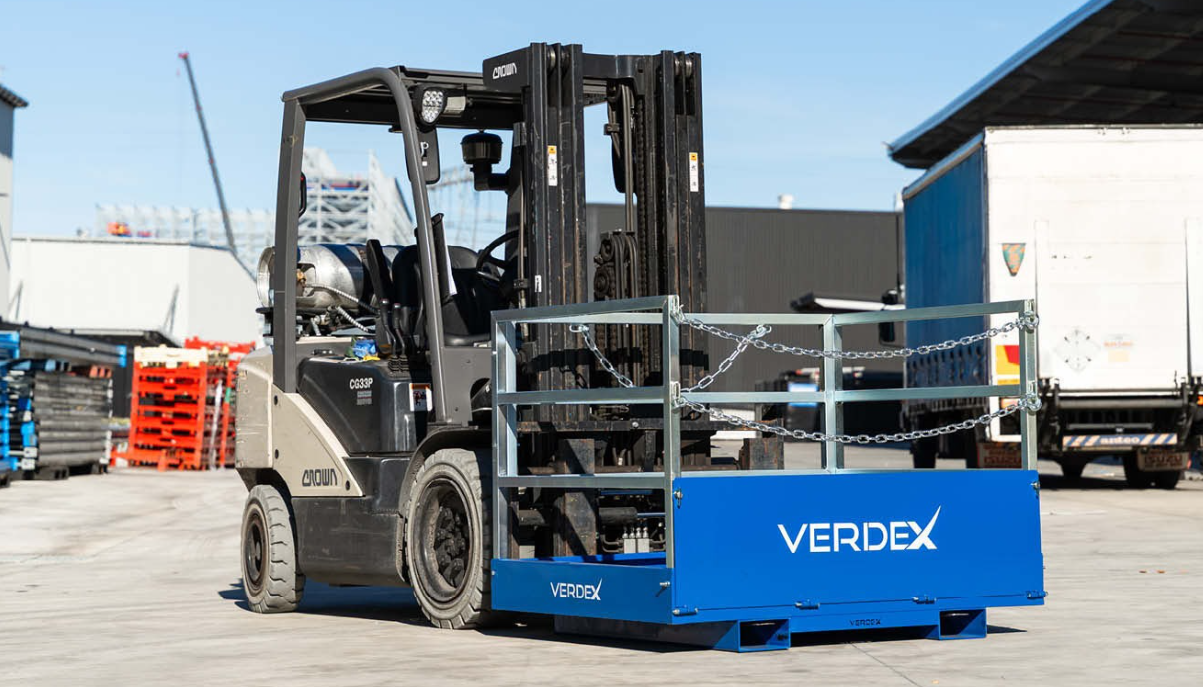
However, ensuring that stillage cages are loaded, stacked, and transported correctly is essential for maintaining safety and preventing accidents. In this blog, we’ll explore key safety guidelines for handling stillage cages, as recommended by industry standards and manufacturers like Verdex.
.jpg)
Why Safety Matters
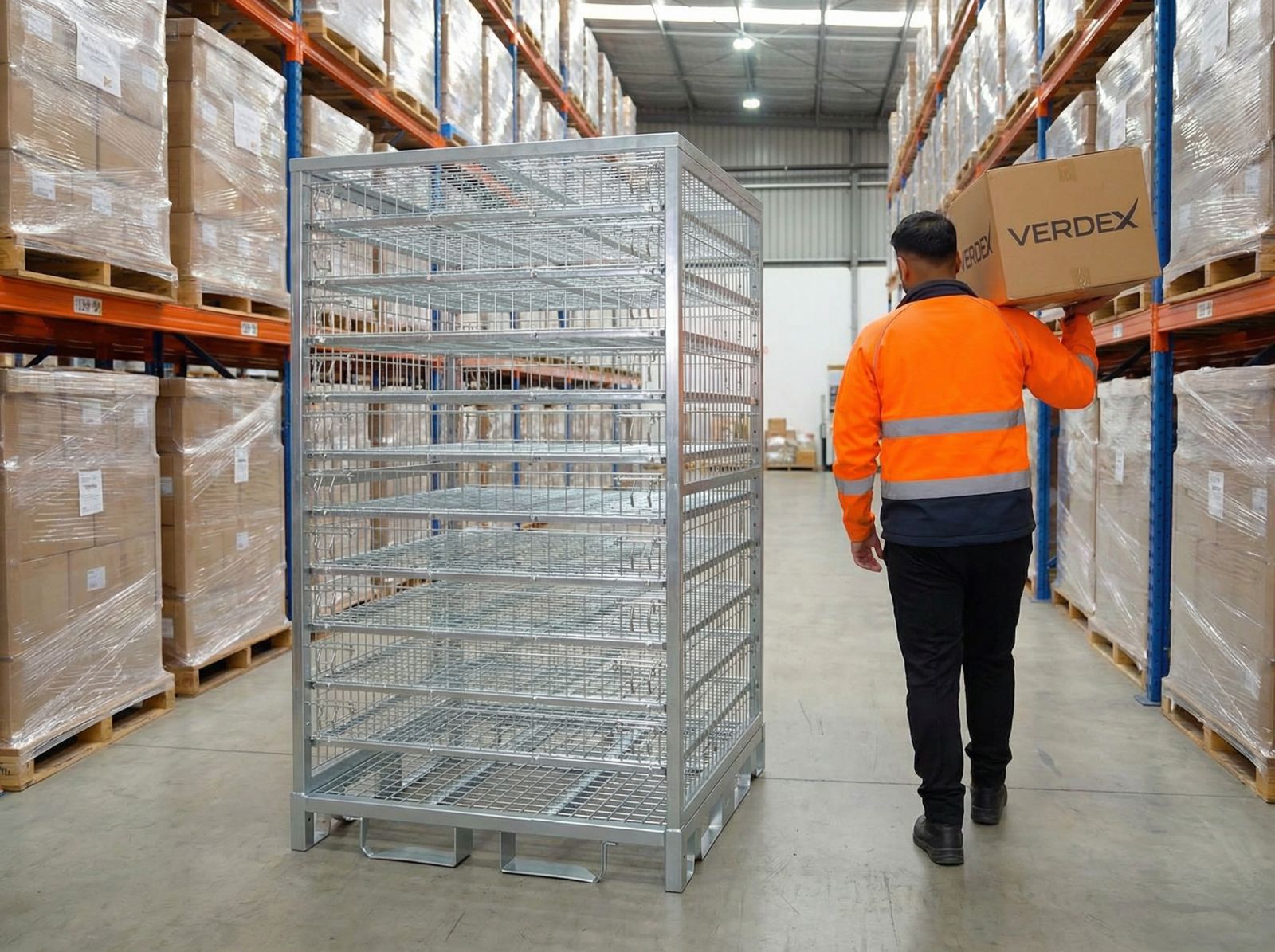
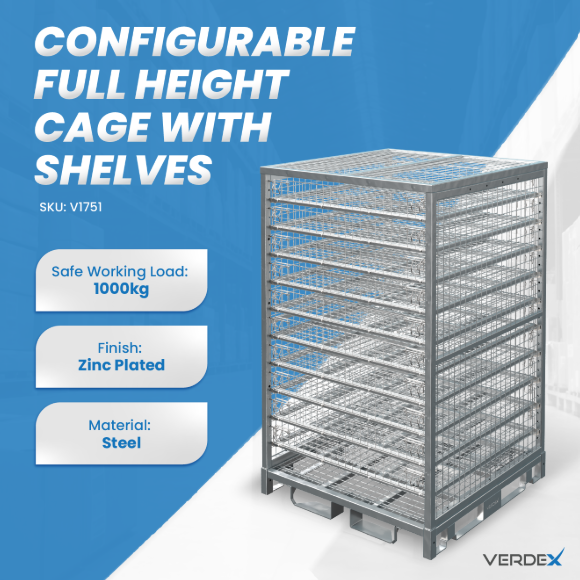
Handling stillage cages improperly can lead to a range of safety hazards, from employee injuries to product damage. Using fit-for-purpose storage solutions, such as a Configurable Full Height Cage With Shelves, helps improve load stability, containment, and visibility—reducing the likelihood of items shifting or falling during handling and storage.
The importance of following safety guidelines cannot be overstated, as the consequences of improper handling can include:
-
Personal injuries: Falls, crush injuries, or strains from improperly loaded or stacked cages.
-
Damage to goods: Improper stacking and handling can result in damage to products or equipment.
-
Workplace disruptions: Accidents can lead to downtime, increased costs, and productivity losses.
Following the correct loading, stacking, and transporting procedures helps minimise these risks, creating a safer, more efficient workplace.
The risks associated with poor stillage cage handling are not limited to a single sector. Industries such as warehousing, manufacturing, logistics, automotive, and retail all rely heavily on stillage cages for daily operations. You can explore how different sectors use these systems in our article on the top industries that benefit from using stillage cages.
Safety Guidelines for Loading Stillage Cages
1. Check the Weight Limits
Before loading a stillage cage, always ensure that it is not overloaded. Each cage is designed to carry a specific weight capacity, which should be clearly indicated by the manufacturer. Overloading can lead to structural failure, and in some cases, cause the cage to collapse during transport.
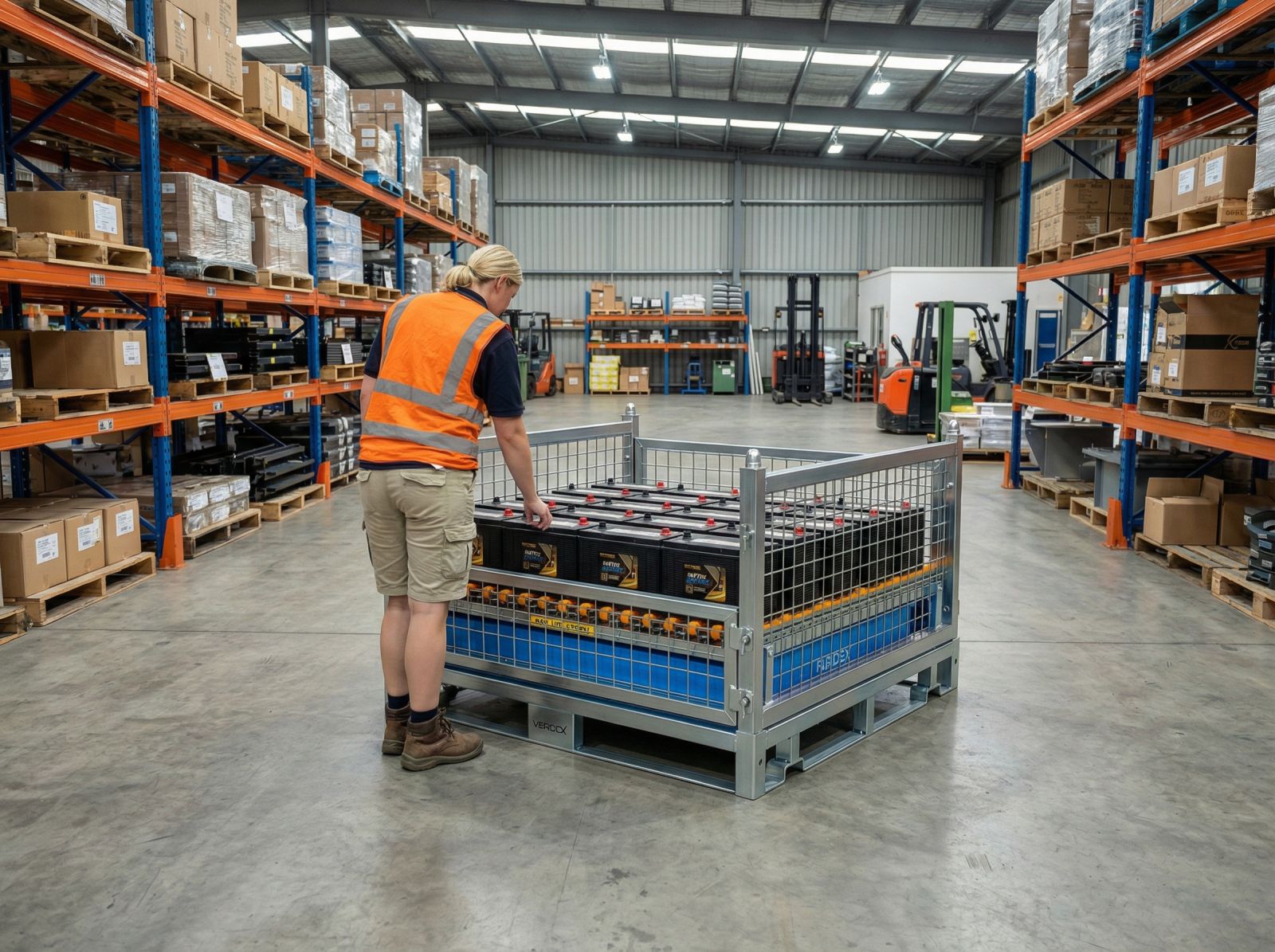
For heavier or regulated loads—such as batteries or dense components—purpose-built options like a Rackable Battery Storage Cage are designed with defined load ratings and reinforced construction to safely support higher weights while maintaining stability during handling and storage. Always check the rated capacity before loading goods.
2. Distribute Weight Evenly
When placing items into the stillage cage, ensure that the weight is evenly distributed. Uneven weight distribution can cause the cage to tip over or become unbalanced during transport. Items should be placed in such a way that they are secure and won’t shift when moved. If necessary, use additional support such as dividers or securing straps to hold items in place.
3. Use Proper Lifting Techniques
Employees should be trained in safe lifting techniques to avoid strain or injury when loading heavy items into stillage cages. This includes using mechanical aids where possible, such as forklifts or pallet jacks, and ensuring that all lifting is done with the legs, not the back.
4. Inspect the Cage Before Loading
Before loading, inspect the stillage cage for any damage or signs of wear and tear. Ensure that it is structurally sound, with no bent frames, broken wheels, or damaged safety bars. If the cage is damaged, it should be repaired or replaced before use.
.jpg)
Safety Guidelines for Stacking Stillage Cages
1. Stack Cages Only to Safe Heights
Stacking stillage cages is a common practice for saving space, but safety must come first. Cages should only be stacked to the height that is considered safe by the manufacturer. Overstacking can result in instability, increasing the risk of toppling over.
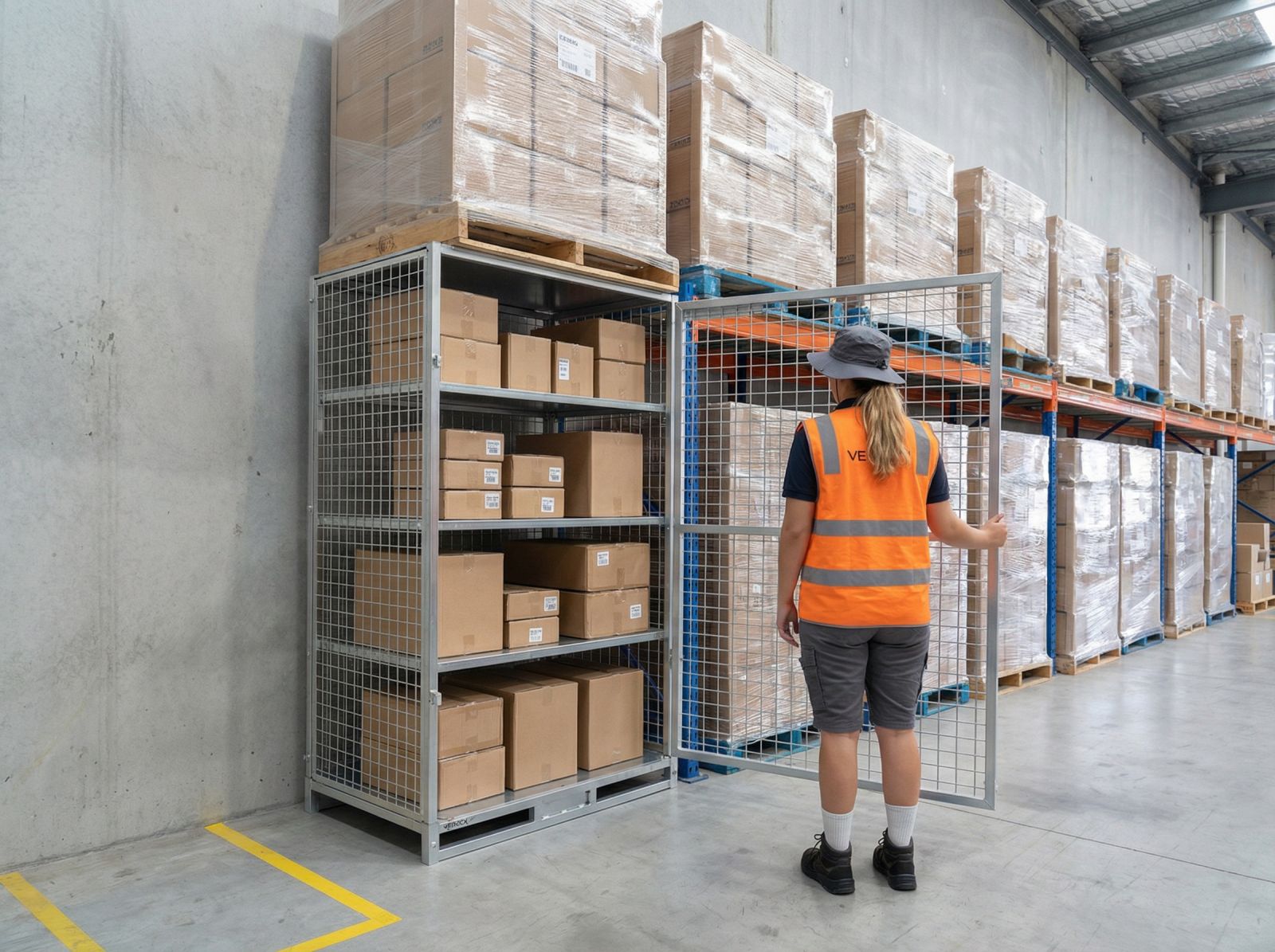
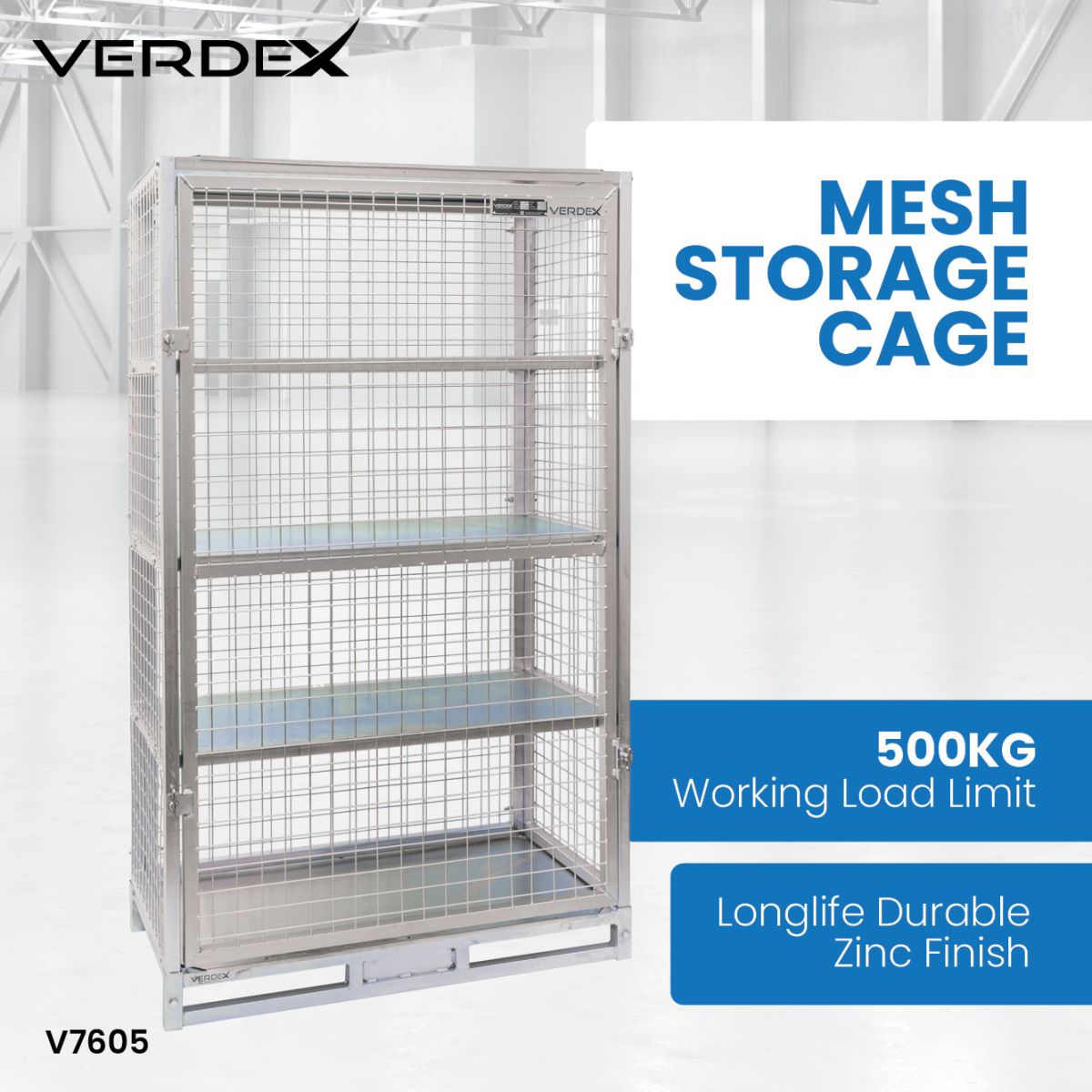
Stackable designs such as a Mesh Storage Cage are typically engineered with reinforced bases and alignment points to support safe vertical stacking, but even purpose-built cages must not be stacked beyond their rated limits. As a general rule, do not stack higher than four cages unless the product is specifically designed and approved for higher stacking.
2. Use Proper Stacking Methods
Stillage cages should be stacked with their bases properly aligned. Avoid stacking cages at an angle, as this can cause them to shift or become unstable. Always ensure that the weight in the lower cages is well-distributed to prevent excessive pressure on the bottom layers.
3. Consider the Type of Goods Being Stored
When stacking stillage cages, it’s important to consider the type of items being stored inside. Heavier items should always go in the bottom cages to prevent the upper cages from becoming overloaded or unstable. Lighter, more fragile items should be stored in the upper cages to minimise the risk of damage.
4. Avoid Blocking Exits and Aisles
Stacked stillage cages should never block aisles or emergency exits. Not only does this pose a safety risk in case of an emergency, but it also limits accessibility to the stored goods. Stacking cages in an orderly manner, and ensuring that they do not obstruct pathways, is crucial for maintaining a safe working environment.
Safety Guidelines for Transporting Stillage Cages
1. Ensure Proper Handling Equipment
When transporting stillage cages, always use the correct handling equipment. Forklifts, pallet jacks, and other material handling equipment should be used to safely move heavy or large cages. When selecting the right equipment, ensure that it is capable of safely supporting the weight and dimensions of the stillage cage.
For transport applications where cages need to be moved frequently or returned empty, options such as a Collapsible and Stackable Stillage Cage (Rectangular) can improve handling efficiency by reducing transport volume while maintaining structural stability when in use.
2. Secure Cages During Transport
Before transporting stillage cages, ensure that they are properly secured. For cages that are stacked, this may involve using straps or other securing mechanisms to hold them in place. Even when using equipment like forklifts, it’s important to ensure that cages are stable and will not shift or fall during transit.
3. Maintain a Safe Speed
During transport, whether in a warehouse or along a shipping route, always move at a safe speed. Rapid movements can cause the cages to become unstable or shift, increasing the likelihood of accidents. Maintain a speed that ensures full control of the equipment, especially in tight spaces or when navigating around corners.
4. Use Proper Signage and Barriers
In areas where stillage cages are frequently transported, use proper signage to alert workers to moving equipment. This is especially important in busy environments like warehouses and distribution centres. Additionally, barriers or safety rails can be used to prevent workers from entering areas where stillage cages are being moved.
5. Conduct Regular Training
Employees should be regularly trained in the safe operation of forklifts and other transport equipment, as well as in proper stillage cage handling techniques. This includes both general safety practices and company-specific protocols, which should be updated as necessary to reflect changes in equipment or regulations.
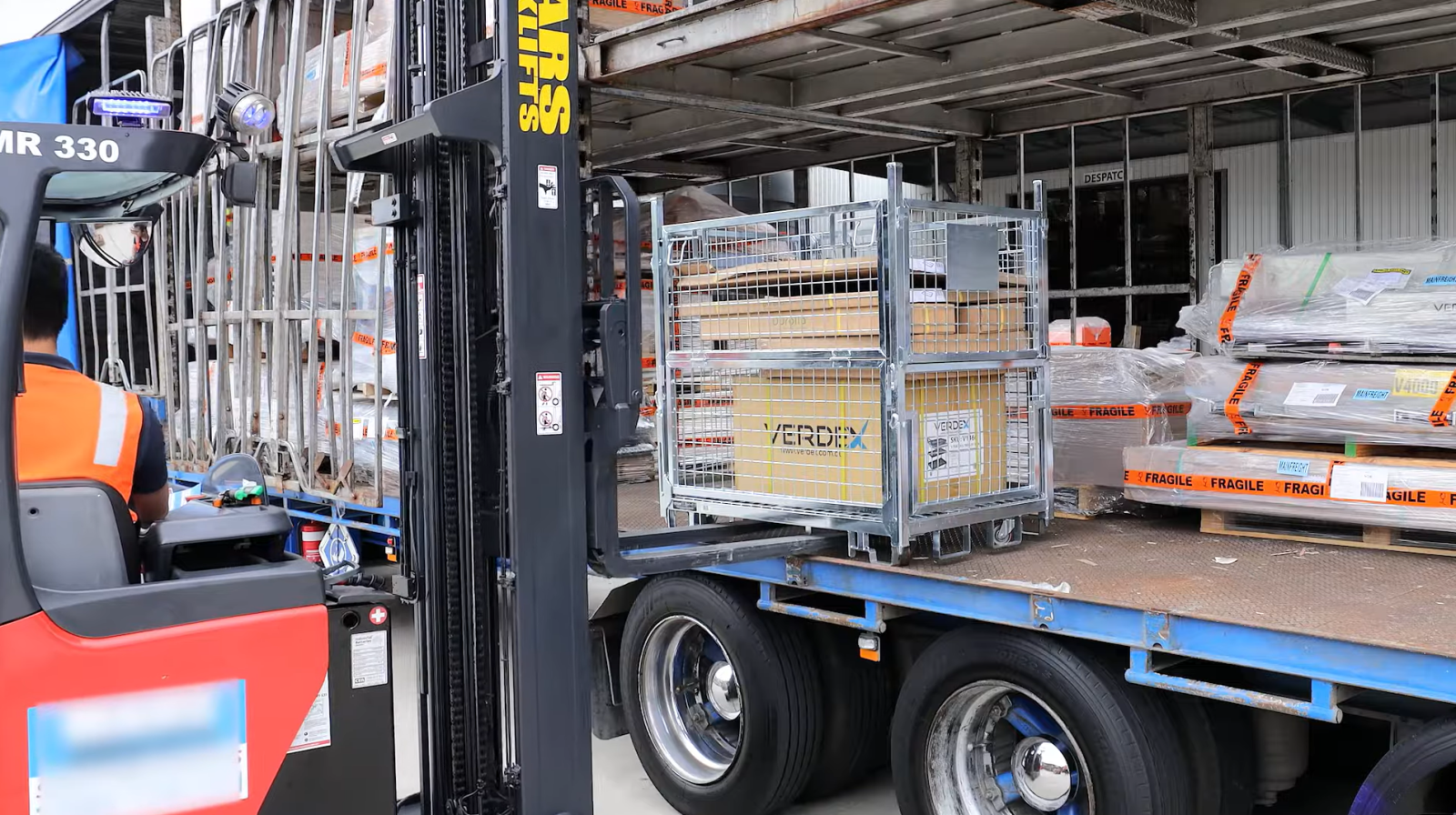 Collapsible Stackable Stillage Cage (Rectangular) loading onto truck by warehouse member ↗
.jpg) V7561: Collapsible and Stackable Stillage Cage (Rectangular) ↗
V7561: Collapsible and Stackable Stillage Cage (Rectangular) ↗
Best Practices for Ongoing Safety
Routine Inspections
Regular inspection of both stillage cages and handling equipment is crucial to ensure that everything remains in working order. Routine maintenance should be carried out on cages to check for wear and tear. Any cages found to be damaged or unsafe should be taken out of service immediately.
Use Ergonomic Design
If your workplace involves frequent loading and unloading of stillage cages, consider investing in cages with ergonomic features. Cages with adjustable heights or tilt mechanisms can help reduce strain on workers and make loading and unloading easier and safer.
Encourage Teamwork
In environments where stillage cages are heavy or difficult to move, encourage teamwork. Rather than relying on one person to lift or transport heavy cages, create a system where multiple workers can assist with moving cages, which can reduce the risk of injury.
Adhere to Regulations
Make sure to stay up to date with industry-specific safety regulations regarding stillage cages. These may vary depending on your industry and location, and compliance with the relevant laws is essential to maintaining safety standards in your workplace.
Creating Safer Stillage Cage Handling Practices
Creating safer stillage cage handling practices starts with selecting the right storage system for your operation. In many environments, stillage cages provide the flexibility and mobility required for frequent handling, while in others, fixed pallet racking may be better suited to long-term static storage. If you are evaluating your broader storage setup, our guide on choosing between stillage cages and pallet racking explains the key differences, benefits, and best-use scenarios for each option.
Beyond system selection, the safe loading, stacking, and transporting of stillage cages is critical to protecting workers, products, and equipment. By following correct handling procedures, using fit-for-purpose cages and handling equipment, and maintaining regular training and inspections, businesses can significantly reduce incident risk. Consistent application of these practices supports safer workplaces, improved efficiency, and ongoing WHS compliance.