Login / Register





 Trolleys & Hand Trucks
 Cage Trolleys
 Cleaning Carts & Trolleys
 Construction Trolleys
 Custom Trolleys
 Hand Trucks & Dollies
 Laundry/Linen Trolleys
 Lifting Trolleys
 Order Picking Trolleys
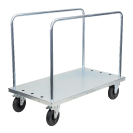 Panel Cart Trolleys
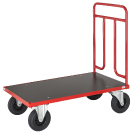 Platform Trolleys
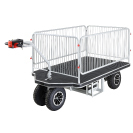 Powered Trolleys
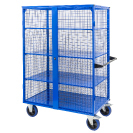 Shelf & Tiered Trolleys
 Shopping Trolleys
 Stainless Steel Trolleys
 Tool Trolleys
 Utility & Service Carts
 Lifting & Handling Equipment
 Forklift Attachments
 Jib Attachments
 Lifting Hoists & Pallet Hooks
 Load Skates & Tow Tugs
 Manual Stackers & Lifters
 Pallet Jacks
 Pallet Lifters
 Pallet Rotators & Dispenser
 Powered Pallet Trucks & Electric Lifters
 Scissor Lift Trolleys and Tables
 Conveyor Equipment
 Conveyor Frames & Stands
 Roller & Skate Conveyors
 Ladders & Access Equipment
 Container & Yard Ramps
 Ladders & Step Stools
 Work Platforms & Crane Cages
 Drum Handling Equipment
 Drum Storage & Bunding
 Drum Trolleys & Lifters
 Forklift Drum Handling
 Waste Handling & Bins
 Bin Lifters & Tippers
 Plastic Waste & Wheelie Bins
 Steel Waste & Tipping Bins
 Waste Carts
 Dangerous Goods Storage & Spillage
 Aerosol Cans Storage Cages
 Bunded Pallets & Storage
 Corrosive Goods Storage Cabinets
 DG Storage & Trolleys
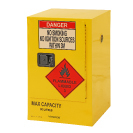 Flammable Liquid Cabinets
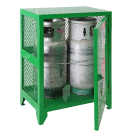 Forklift Gas Storage Cages
 Gas Cylinder Storage Bays
 Site Storage
 Spill Kits
 Shelving & Storage Equipment
 Stillage & Transport Cages
 750 Series Cage Configurations
 Heavy Duty Cabinets
 Heavy Duty Shelving
 Mega Bins & Pallets
 Packing & Workbenches
 Parts Trays & Stor-Pak Bins
 Pegboard & Louvre Panels
 Plastic Bins & Crates
 Plastic Handling Solutions Bins
 Plastic Pallets
 Stack & Nest Bins
 Pallet Racking Accessories
 Workplace Equipment
 Modular Workbenches
 Electric Height-Adjustable Workbenches
 Floor Matting
 General Workplace Equipment
 Industrial Weighing Scales
 Packaging Machinery
 Stationery Cupboards
 Storage and Stillage Cages
 Tool Trolleys
 Tooling Cabinets
 Workshop Fans and Coolers
 Safety Barriers, PPE & Signage
 Modular Safety Fence System
 Barriers & Bollards
 First Aid Equipment
 Gloves, Knives and PPE
 Signage
 Cleaning & Site Supplies
 Cleaning Equipment
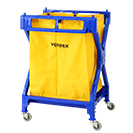 Cleaning Trolleys
 Rubbish Bins
 Signs & Traffic Supplies
 Construction Equipment
 Construction Trolleys
 Waste Handling
 General Site Equipment
 Concrete Equipment
 Site Storage
 Lifting Equipment
 Verdex Specials


Categories
- Trolleys & Hand Trucks
- Lifting & Handling Equipment
- Conveyor Equipment
- Ladders & Access Equipment
- Drum Handling Equipment
- Waste Handling & Bins
- Dangerous Goods Storage & Spillage
- Shelving & Storage Equipment
- Workplace Equipment
- Safety Barriers, PPE & Signage
- Cleaning & Site Supplies
- Construction Equipment
- Specials
Industrial Vacuums
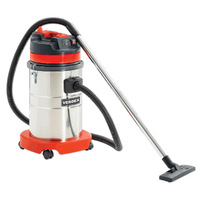

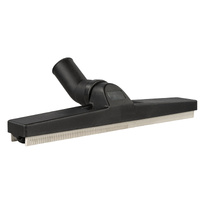
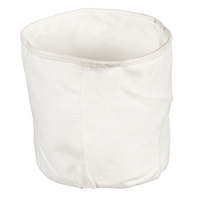
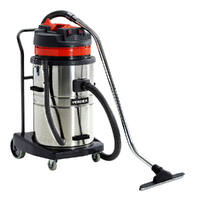

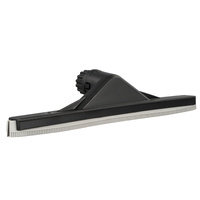
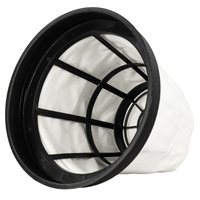
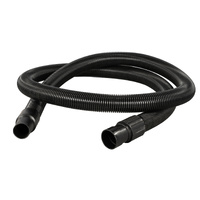
Industrial Vacuums – Heavy-Duty Cleaning for Specialised Workplace Contaminants
Industrial Vacuums are high-performance cleaning machines engineered to handle large volumes of difficult and hazardous materials, including fine dust, heavy debris, liquid spills, and toxic powders, far beyond the capabilities of standard commercial vacuums. Designed for continuous, heavy-duty use, these vacuums feature robust construction, high-filtration systems (like HEPA), and powerful motors, making them essential tools for maintaining WHS standards and operational cleanliness in demanding industrial environments across Australia.
Safe and efficient removal of industrial waste is critical for compliance, air quality, and machinery lifespan. Verdex supplies a specialised range of Industrial Vacuums, including wet/dry models and those suitable for hazardous environments, ensuring you have the right tool for specific contaminant removal. These powerful units are a core part of our dedicated Industrial Cleaning and Site Supplies and general Workplace Safety Equipment.
Advanced Filtration and Power of Industrial Vacuums
Industrial Vacuums are distinguished by their strength and safety features, offering solutions for specialised cleanup tasks:
-
Superior Suction and Capacity: Equipped with powerful motors and large collection tanks to handle sustained operation and heavy materials like metal shavings and concrete dust.
-
Certified Filtration: Many models include HEPA or M-Class filtration, crucial for safely collecting fine, harmful dusts like silica, minimising air contamination.
-
Wet and Dry Capability: Designed to safely switch between vacuuming heavy solids and extracting large-volume liquid spills, often complementing manual methods using Cleaning Equipment.
Industrial Vacuum Use Cases Across Workplaces
Industrial Vacuums are vital in any facility where byproduct waste presents an environmental, health, or fire risk. They are essential across a broad range of Australian industries, including Manufacturing, Construction, Pharmaceutical, Mining, and Automotive, with specific use cases in the following workplaces:
-
Metal Fabrication and Engineering Workshops: Used to collect swarf, metal filings, coolants, and heavy debris generated by cutting and grinding operations.
-
Construction and Demolition Sites: Critical for collecting fine crystalline silica dust, concrete residue, and gypsum dust to maintain respiratory safety standards.
-
Pharmaceutical and Chemical Labs: Employed with certified filtration to safely contain highly potent compounds, chemical dusts, or sterile spills.
-
Food Processing Plants: Used for the continuous collection of flour dust, grain particles, or liquid spills in processing areas, maintaining strict hygiene protocols.
-
Automotive and Panel Beating Shops: Used to extract sanding dust from repair bays and safely vacuum fine paint residue.
-
Mining and Quarry Operations: Used for cleanup of heavy ore dust, coal dust, or fine crushed rock in control rooms and processing areas.
-
Power Generation Facilities: Used to safely vacuum boiler ash, carbon deposits, and industrial soot from machinery and pits.
-
Warehouse Spills: Deployed with accessories stored on a Cleaning Trolleys to rapidly respond to oil, water, or general chemical leaks near traffic areas (where markers like Wheels Stops are often present).
-
Workshop Cleanup Stations: Used to clean footwear and clothing effectively, complementing the function of Boot Cleaners before staff exit the controlled area.
-
Tool and Equipment Maintenance: Used after cleaning and servicing to ensure tools are completely free of dust and contaminants, often managed via a Shadow Boards system.
Shop Industrial Vacuums Now
Every Verdex Industrial Vacuum is built for durability, performance, and compliance, ensuring your facility remains clean, safe, and productive.
Solve your toughest cleanup challenges efficiently and safely. Browse our full range of professional Industrial Vacuums online, or contact our team for advice on filtration types and capacity requirements.