Login / Register








 Trolleys & Hand Trucks
 Cage Trolleys
 Cleaning Carts & Trolleys
 Construction Trolleys
 Custom Trolleys
 Hand Trucks & Dollies
 Laundry/Linen Trolleys
 Lifting Trolleys
 Order Picking Trolleys
 Panel Cart Trolleys
 Platform Trolleys
 Powered Trolleys
 Shelf & Tiered Trolleys
 Shopping Trolleys
 Stainless Steel Trolleys
 Tool Trolleys
 Utility & Service Carts
 Lifting & Handling Equipment
 Forklift Attachments
 Jib Attachments
 Lifting Hoists & Pallet Hooks
 Load Skates & Tow Tugs
 Manual Stackers & Lifters
 Pallet Jacks
 Pallet Lifters
 Pallet Rotators & Dispenser
 Powered Pallet Trucks & Electric Lifters
 Scissor Lift Trolleys and Tables
 Conveyor Equipment
 Conveyor Frames & Stands
 Roller & Skate Conveyors
 Ladders & Access Equipment
 Container & Yard Ramps
 Ladders & Step Stools
 Work Platforms & Crane Cages
 Drum Handling Equipment
 Drum Storage & Bunding
 Drum Trolleys & Lifters
 Forklift Drum Handling
 Waste Handling & Bins
 Bin Lifters & Tippers
 Plastic Waste & Wheelie Bins
 Steel Waste & Tipping Bins
 Waste Carts
 Dangerous Goods Storage & Spillage
 Aerosol Cans Storage Cages
 Bunded Pallets & Storage
 Corrosive Goods Storage Cabinets
 DG Storage & Trolleys
 Flammable Liquid Cabinets
 Forklift Gas Storage Cages
 Gas Cylinder Storage Bays
 Site Storage
 Spill Kits
 Shelving & Storage Equipment
 Stillage & Transport Cages
 750 Series Cage Configurations
 Heavy Duty Cabinets
 Heavy Duty Shelving
 Mega Bins & Pallets
 Packing & Workbenches
 Parts Trays & Stor-Pak Bins
 Pegboard & Louvre Panels
 Plastic Bins & Crates
 Plastic Handling Solutions Bins
 Plastic Pallets
 Stack & Nest Bins
 Pallet Racking Accessories
 Workplace Equipment
 Modular Workbenches
 Electric Height-Adjustable Workbenches
 Floor Matting
 General Workplace Equipment
 Industrial Weighing Scales
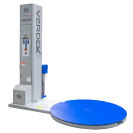 Packaging Machinery
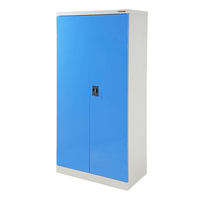 Stationery Cupboards
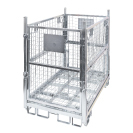 Storage and Stillage Cages
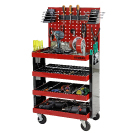 Tool Trolleys
 Tooling Cabinets
 Workshop Fans and Coolers
 Safety Barriers, PPE & Signage
 Modular Safety Fence System
 Barriers & Bollards
 First Aid Equipment
 Gloves, Knives and PPE
 Signage
 Cleaning & Site Supplies
 Cleaning Equipment
 Cleaning Trolleys
 Rubbish Bins
 Signs & Traffic Supplies
 Construction Equipment
 Construction Trolleys
 Waste Handling
 General Site Equipment
 Concrete Equipment
 Site Storage
 Lifting Equipment
 Verdex Specials
How Material Handling Equipment Help Warehouses Scale Safely and Efficiently
Date Posted:23 January 2026
Safe warehouse growth depends on more than extra labour. The right material handling equipment helps increase capacity, protect workers, and maintain compliant operations. Find out how smart equipment choices can future-proof your warehouse.
Verdex Insights: At a Glance
-
The Challenge: Many growing warehouses try to scale by increasing manual labour instead of upgrading equipment, leading to injuries, bottlenecks, and reduced efficiency.
-
The Insight: Sustainable warehouse growth depends on reducing manual handling and improving flow, as the right material handling equipment allows higher throughput without increasing physical strain or risk.
-
The Verdex Solution: Verdex supplies scalable material handling equipment that helps warehouses grow safely, improve productivity, and stay WHS compliant as demand increases.
How Material Handling Equipment Help Warehouses Scale Safely and Efficiently
Across Australia, warehouse and logistics operations are growing rapidly. The boom in eCommerce, manufacturing, and third-party logistics has created constant pressure to move more stock, fill more orders, and turn around shipments faster than ever before. But while demand keeps rising, many facilities still rely on outdated systems and heavy manual work to keep up.
In too many cases, scaling up means asking workers to push harder, lift heavier loads, move faster, and work longer hours, rather than upgrading the systems that support them. This short-term solution might seem cost-effective, but it comes with major long-term drawbacks such as fatigue, injuries, damaged goods, and operational bottlenecks that limit productivity.
While these issues are often underestimated, inefficient storage and handling systems quietly drive up operating costs over time. We break this down in more detail in our guide on the true costs of inefficient storage and how material handling equipment pays for itself.
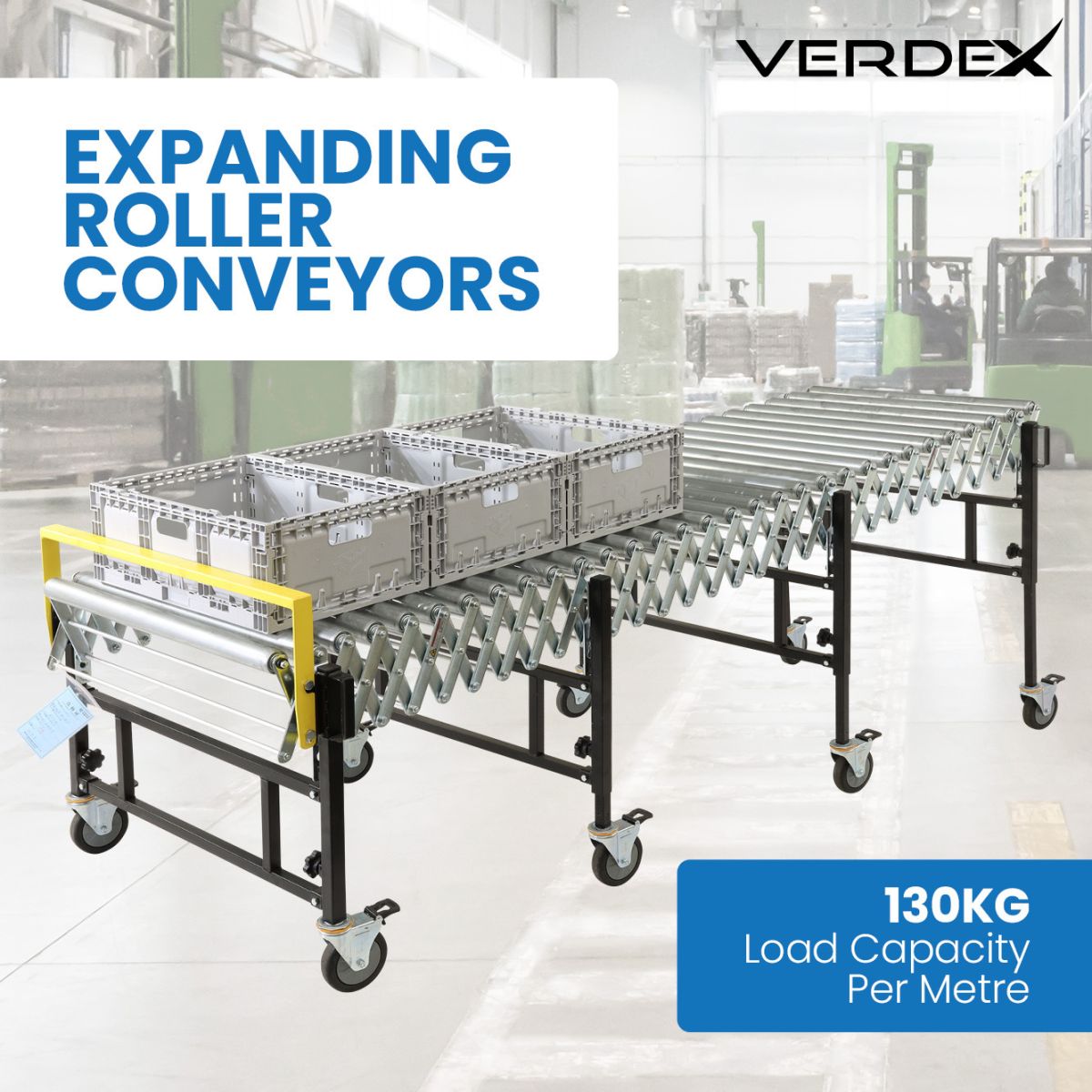
The smarter and safer path to growth lies in equipping warehouses with reliable, scalable material handling equipment. From lifting equipment to conveyor equipment, such as flexible expanding roller conveyors that extend from 1.5m to 4m, these solutions allow warehouses to adapt quickly to changing workflows, improve flow through dispatch and packing areas, and increase throughput without adding physical strain or risk.
.png)
Why Scaling Warehouse Operations Safely Matters
The logistics and warehousing sectors in Australia have become central to the nation’s supply chain economy. With online orders and distribution demands surging, warehouses must handle greater volumes with tighter turnaround times.
However, scaling too quickly without adjusting processes and equipment creates an unsafe and inefficient work environment. Workers are forced to do more with less, leading to:
-
Manual handling injuries such as strains, sprains, and fatigue
-
Product damage from rushed or improper lifting and stacking
-
Increased downtime due to accidents or bottlenecks
-
WHS non-compliance, exposing employers to fines and reputational risks
Safe Work Australia’s Model Code of Practice for Hazardous Manual Tasks makes it clear: every business must eliminate or minimise risks associated with manual handling. Scaling a warehouse should never come at the cost of worker wellbeing.
Common Scaling Mistakes in Growing Warehouses
When faced with higher workloads, many warehouse managers respond by hiring more people or extending shifts. But without investing in the right tools, this only compounds the problem. More workers in the same space increases congestion, clutter, and the likelihood of accidents.
Other common scaling mistakes include:
-
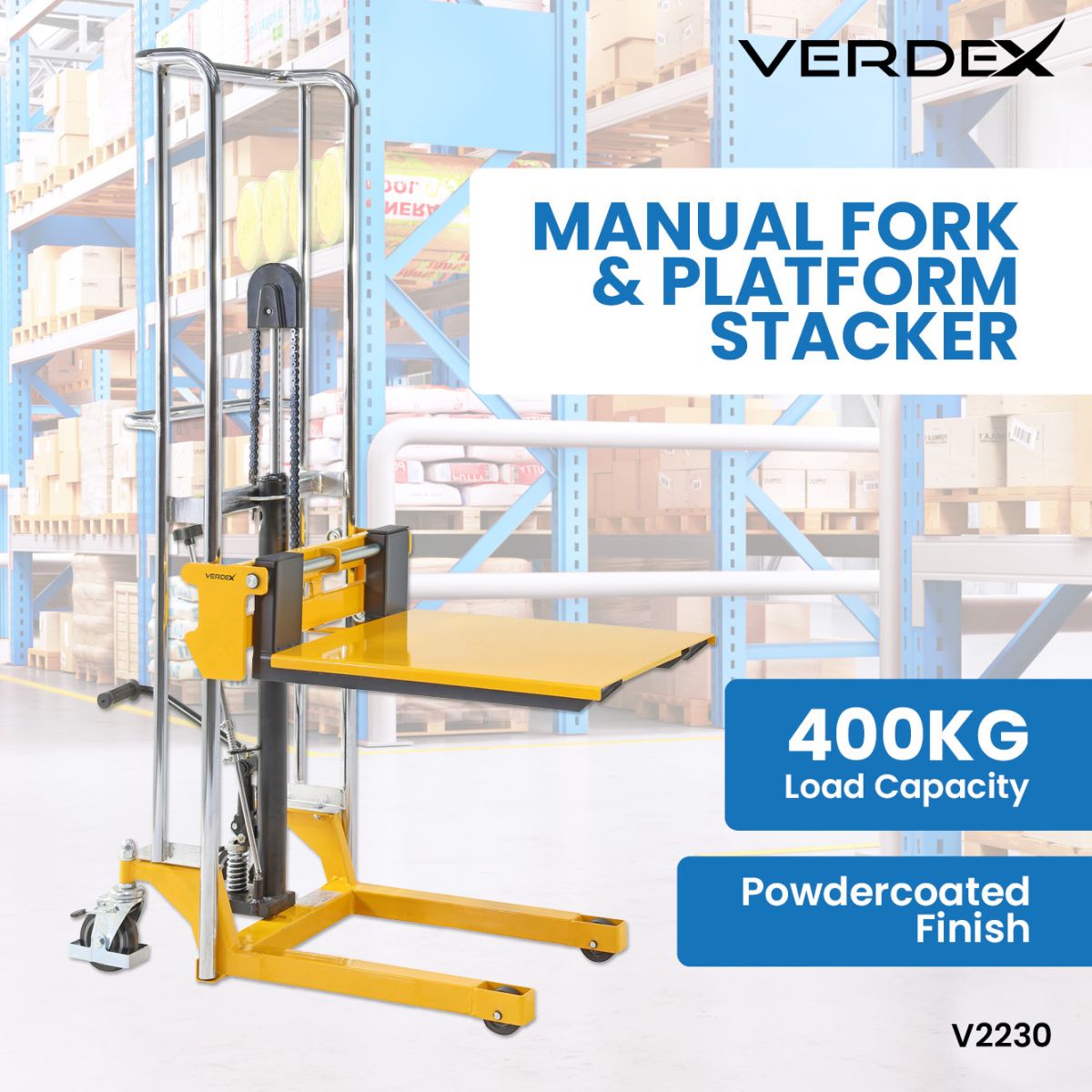
Relying on manual transport of heavy goods instead of using pallet jacks, pallet lifters or manual fork and platform stackers, forcing workers to lift and position loads that should be mechanically assisted
-
Overloading racks and shelving, risking collapse or product damage
-
Ignoring workflow inefficiencies, such as long walking distances between zones
-
Delaying equipment upgrades, thinking they are too costly, when in fact they quickly pay for themselves through saved time and reduced injuries
Many of these issues stem not just from a lack of equipment, but from incorrect selection or use. Our article on common mistakes to avoid when using material handling equipment outlines where businesses often go wrong and how to correct these problems early.
Growth requires more than manpower; it demands a system designed to handle greater loads safely and efficiently.
.png)
How Material Handling Equipment Enables Safe Scaling
Modern material handling equipment transforms warehouse operations. It supports higher output without increasing physical strain or risk. Below are a few of the key equipment types that make this possible.
1. Conveyor Equipment
Conveyors streamline the movement of goods across packing, loading, and storage areas. They reduce manual carrying, minimise transit time, and ensure a steady flow of materials through the warehouse.
2. Lifting Equipment
These devices take the strain out of vertical lifting, allowing workers to position heavy items at comfortable working heights. They protect against back injuries and speed up loading or assembly tasks.
3. Trolleys
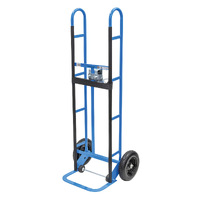
Reliable pallet jacks and trolleys enable workers to transport heavier loads with minimal effort. They improve efficiency while reducing fatigue, especially in warehouses that rely on frequent stock movements.
4. Storage and Shelving Equipment
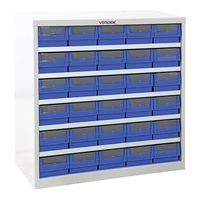
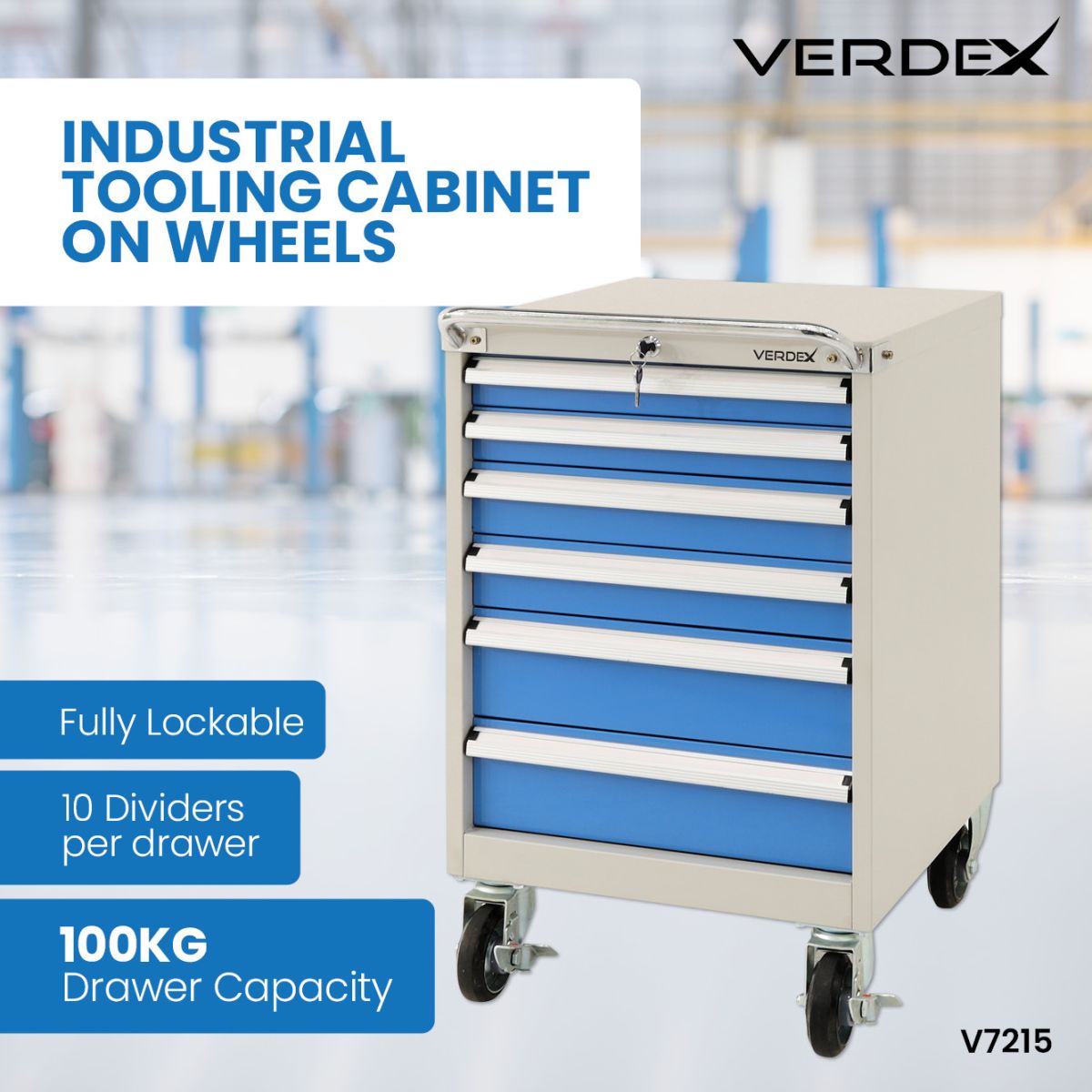
These storage solutions keep inventory organised and secure. By maximising vertical space and improving accessibility, they reduce clutter and make stock management safer and faster. Mobile options such as our industrial tooling cabinet on wheels further support safe scaling by allowing tools and components to be moved directly to the point of use, reducing unnecessary walking, handling, and workstation congestion.
Together, this equipment forms the foundation for safe scaling, allowing warehouses to boost capacity, protect their people, and maintain productivity even as order volumes climb.
.jpg)
The Efficiency Factor: Doing More with Less Strain
Efficiency is not just about speed; it is about consistency and safety. When material handling systems are well-designed, each worker can achieve more output with less effort.
For example, upgrading from manual pallet stacking to using a hydraulic lift table eliminates repetitive bending and lifting. This small change can save several minutes per task, adding up to hours of gained productivity each week.
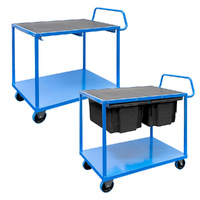
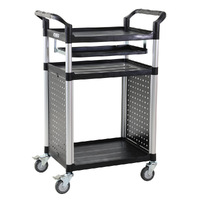
Similarly, introducing trolleys for small parts or tools cuts unnecessary walking and searching time. Over time, these incremental gains translate into smoother workflows, faster fulfilment, and happier, healthier teams.
The Safety Factor: Protecting Teams While Scaling
As warehouse activity increases, so does the risk of accidents. Manual handling remains one of the leading causes of workplace injury in Australia, responsible for thousands of compensation claims every year.
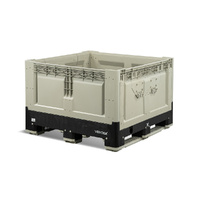
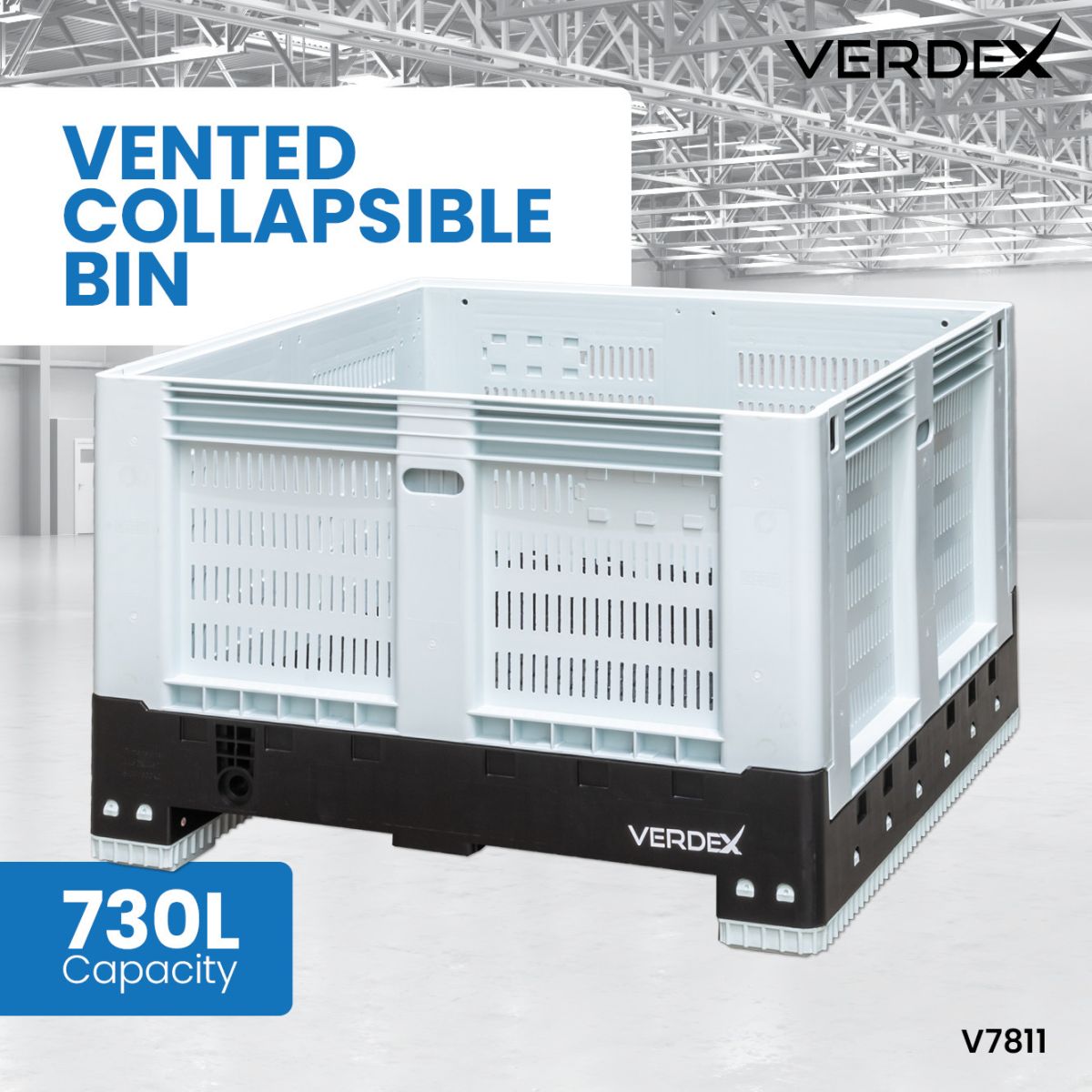
The right equipment reduces this risk significantly by eliminating the need for workers to overreach, lift awkwardly, or carry excessive weights. For example, vented collapsible bins with lids allow bulk goods to be stored, transported, and accessed at safer working heights while maintaining load stability and visibility during handling.
In turn, this helps:
-
Lower insurance premiums and injury claims
-
Minimise absenteeism and turnover caused by fatigue or injury
-
Improve morale by creating a safer, more supportive workplace
Safe scaling also supports compliance with WHS laws, which require employers to manage risks from hazardous manual tasks. By investing in mechanical aids and ergonomic solutions, warehouses meet these obligations while enhancing productivity.
.png)
Future-Proofing Growth with Smart Equipment Investments
Scaling safely is not just about meeting today’s demand, it is about preparing for tomorrow’s challenges. Material handling systems that are modular, mobile, and adaptable can grow with your business.
For instance:
-
Adjustable racking allows easy reconfiguration as inventory types change
-
Mobile conveyors can be repositioned to fit new workflows
-
Stackable stillage cages make it easy to expand storage without major structural upgrades
These flexible systems make long-term expansion more affordable and sustainable. Instead of reacting to demand spikes, businesses can plan proactively, supported by equipment that evolves with their operations.
Achieving Scalable Success with Verdex Solutions
Verdex helps Australian warehouses, factories, and logistics centres work smarter, not harder. Our range of material handling equipment is built to support safe scaling, combining durability, ergonomic design, and compliance with Australian standards.
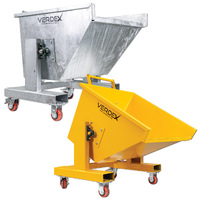
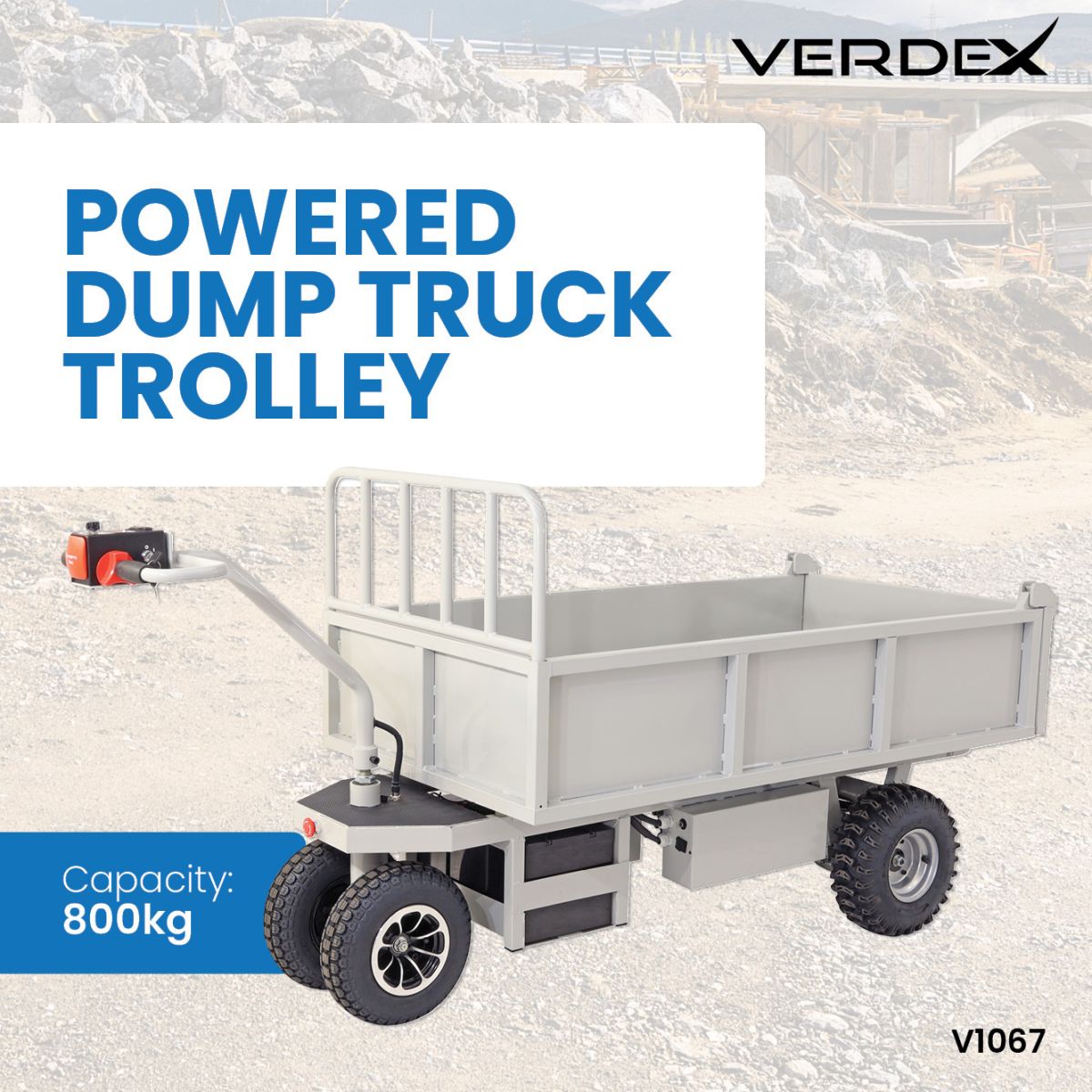
Whether you need trolleys (such as a powered dump truck trolley) or other material handling and industrial workplace equipment, Verdex solutions are engineered for reliability and long-term performance. With the right setup, you can reduce manual strain, protect your team, and boost overall efficiency, all while maintaining compliance and reducing costs.
.png)
Building a Safer, Smarter, More Productive Warehouse
Scaling a warehouse does not have to mean overworking your team or accepting higher risk. The real key to growth is investing in reliable material handling equipment that supports efficiency, protects people, and ensures smooth, consistent operations.
As warehouses grow, maintaining control over layout, workflows, and storage becomes just as important as increasing capacity. If congestion, clutter, or inefficient handling is already impacting safety or productivity, our guide on how to regain control of unorganised worksites with reliable material handling equipment outlines practical steps to restore structure, flow, and compliance as operations scale.
Verdex partners with Australian businesses to build safer, more organised, and more productive workplaces. Our products help you achieve growth without compromise, delivering lasting value through improved safety, speed, and sustainability.
Work smarter, scale safely, and stay compliant with Verdex’s trusted range of material handling solutions.
FAQs
1. Why is material handling equipment essential for warehouse growth?
It enables higher throughput without overloading workers or increasing risk. Equipment such as conveyors, trolleys, and lifting tables make handling faster, safer, and more efficient.
2. How does equipment investment lead to cost savings?
Reduced injury rates, fewer damaged goods, and improved productivity translate into measurable financial returns, often paying off the initial investment within months.
3. What equipment is best for warehouses with limited space?
Compact and vertical solutions like stillage cages, adjustable shelving, and foldable trolleys maximise storage and improve accessibility.
4. How does Verdex ensure WHS compliance?
All Verdex equipment meets or exceeds Australian safety standards, helping businesses meet WHS obligations and maintain safer work environments.
5. How can I choose the right material handling system for my warehouse?
Verdex’s team can assess your operations and recommend the most effective combination of storage and handling equipment to match your workflow, load type, and space.