Login / Register














 Trolleys & Hand Trucks
 Cage Trolleys
 Cleaning Carts & Trolleys
 Construction Trolleys
 Custom Trolleys
 Hand Trucks & Dollies
 Laundry/Linen Trolleys
 Lifting Trolleys
 Order Picking Trolleys
 Panel Cart Trolleys
 Platform Trolleys
 Powered Trolleys
 Shelf & Tiered Trolleys
 Shopping Trolleys
 Stainless Steel Trolleys
 Tool Trolleys
 Utility & Service Carts
 Lifting & Handling Equipment
 Forklift Attachments
 Jib Attachments
 Lifting Hoists & Pallet Hooks Accessories
 Load Skates & Tow Tugs
 Manual Stackers & Lifters
 Pallet Jacks
 Pallet Lifters
 Pallet Rotators & Dispenser
 Powered Pallet Trucks & Electric Lifters
 Scissor Lift Trolleys and Tables
 Conveyor Equipment
 Conveyor Frames & Stands
 Roller & Skate Conveyors
 Ladders & Access Equipment
 Container & Yard Ramps
 Ladders & Step Stools
 Work Platforms & Crane Cages
 Drum Handling Equipment
 Drum Storage & Bunding
 Drum Trolleys & Lifters
 Forklift Drum Handling
 Waste Handling & Bins
 Bin Lifters & Tippers
 Plastic Waste & Wheelie Bins
 Steel Waste & Tipping Bins
 Waste Carts
 Dangerous Goods Storage & Spillage
 Aerosol Cans Storage Cages
 Bunded Pallets & Storage
 Corrosive Goods Storage Cabinets
 DG Storage & Trolleys
 Flammable Liquid Cabinets
 Forklift Gas Storage Cages
 Gas Cylinder Storage Bays
 Site Storage
 Spill Kits
 Shelving & Storage Equipment
 Stillage & Transport Cages
 750 Series Cage Configurations
 Heavy Duty Cabinets
 Heavy Duty Longspan Shelving
 Heavy Duty Shelving
 Mega Bins & Pallets
 Packing & Workbenches
 Parts Trays & Stor-Pak Bins
 Pegboard & Louvre Panels
 Plastic Bins & Crates
 Plastic Handling Solution Bins
 Plastic Pallets
 Stack & Nest Bins
 Pallet Racking Accessories
 Workplace Equipment
 Modular Workbenches
 Electric Height-Adjustable Workbenches
 Floor Matting
 General Workplace Equipment
 Industrial Weighing Scales
 Packaging Machinery
 Stationery Cupboards
 Storage and Stillage Cages
 Tool Trolleys
 Tooling Cabinets
 Workshop Fans and Coolers
 Safety Barriers, PPE & Signage
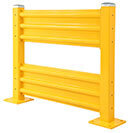
 Modular Safety Fence System
 Barriers & Bollards
 First Aid Equipment
 Gloves, Knives and PPE
 Signage
 Cleaning & Site Supplies
 Cleaning Equipment
 Cleaning Trolleys
 Rubbish Bins
 Signs & Traffic Supplies
 Construction Equipment
 Construction Trolleys
 Waste Handling
 General Site Equipment
 Concrete Equipment
 Site Storage
 Lifting Equipment
 Spring Workplace Selections
Verdex Insights: At a Glance
-
The Challenge: Constant warehouse layout changes can make it difficult to maintain safe work zones, clear traffic separation, and compliant operations without disrupting workflow.
-
The Insight: Fixed barriers limit flexibility in fast-changing warehouses, while modular safety fencing allows businesses to quickly adapt safety zones as layouts, machinery, and storage areas evolve.
-
The Verdex Solution: Verdex modular safety fencing systems help warehouses create flexible, scalable, and compliant safety zones that can be moved, extended, or reconfigured as operational needs change.
How Modular Safety Fencing Supports Changing Warehouse Layouts
Modern warehouses rarely stay the same for long. As businesses grow, introduce automation or respond to shifting customer demand, internal layouts often need to adapt. Racking configurations change, machinery is relocated, and temporary work zones are created to support new projects or increased inventory.
For safety managers and operations teams, the challenge is maintaining strong safety controls while the workplace evolves. Permanent barriers can sometimes limit flexibility, especially when floor layouts need to change regularly. This is where modular safety fencing systems offers a practical advantage.
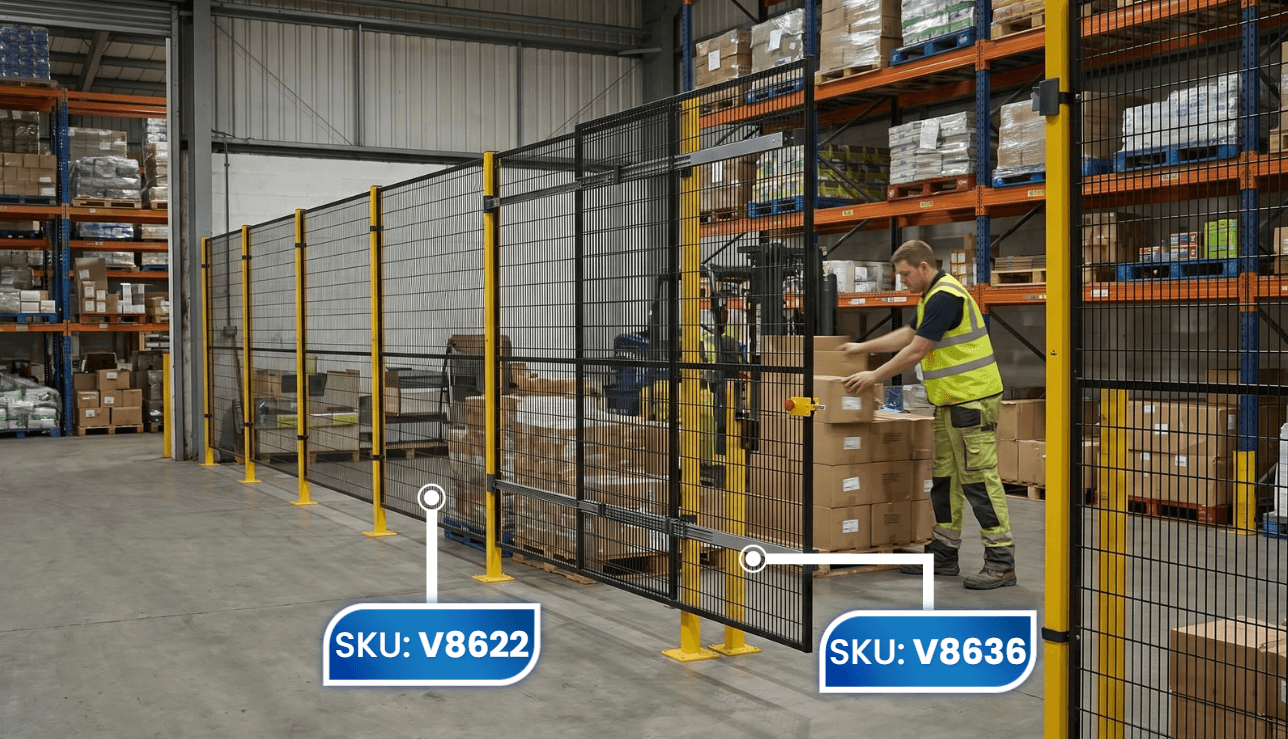
Modular fencing systems provide a flexible solution for separating hazards, protecting workers and maintaining compliance—without requiring permanent construction. For active indoor facilities, they allow safety infrastructure to adapt alongside operational changes.
Why Warehouse Layouts Change Over Time
Warehouses and distribution centres operate in dynamic environments. Business growth, technology upgrades and operational improvements often require adjustments to how space is used.
Some of the most common reasons for layout changes include:
Expanding Production Lines
As demand increases, manufacturers may add new machinery, conveyor systems or packing stations. Expanding production areas can introduce new hazards that need to be clearly separated from pedestrian walkways or existing operations.
Safety fencing can be used to quickly establish protective zones around newly installed equipment until permanent arrangements are finalised.
Temporary Project Zones
Facilities frequently undertake internal projects such as equipment upgrades, facility improvements or technology installations. These activities often take place while the rest of the warehouse continues operating.
Creating temporary safety zones using modular fencing allows project teams to work safely without interrupting surrounding operations.
For a closer look at how modular fencing can be used to separate hazards and improve pedestrian safety in active facilities, see our blog on Creating Safe Work Zones with Modular Safety Fence Systems.
During temporary upgrade or installation projects, many facilities also reinforce safety controls with appropriate Gloves, Knives and PPE to help reduce handling risks and support safer day-to-day work practices.
Seasonal Stock Increases
Many warehouses experience peak periods where inventory levels increase significantly. Additional temporary racking, staging areas or packing zones may be introduced to manage the higher volume of goods.
Flexible fencing can help define safe pathways and separate temporary storage areas from active forklift routes.
Moving or Replacing Machinery
Industrial machinery is occasionally relocated to improve workflow efficiency or to accommodate new production requirements. During relocation or installation, clearly defined safety zones are essential to protect workers and contractors.
Using modular fence panels allows teams to isolate work areas quickly and adjust boundaries as equipment is repositioned.
Testing New Layouts
Before committing to major structural changes, many facilities trial new warehouse layouts. Temporary adjustments to workflows, picking zones or packing stations allow managers to evaluate efficiency improvements.
Modular fencing enables these trial layouts to operate safely without installing permanent barriers that may need to be removed later.
The Role of Modular Safety Fencing in Dynamic Warehouses
In environments where change is frequent, safety solutions must be adaptable. Modular safety fencing systems are designed with flexibility in mind, making them particularly suitable for active warehouses and manufacturing facilities.
Verdex supplies modular safety fencing designed for indoor industrial environments, allowing businesses to create controlled work zones while maintaining the ability to reconfigure their spaces when needed.
Unlike permanent barriers, modular systems provide strong protection while remaining adjustable.
Modular Systems Can Be Moved
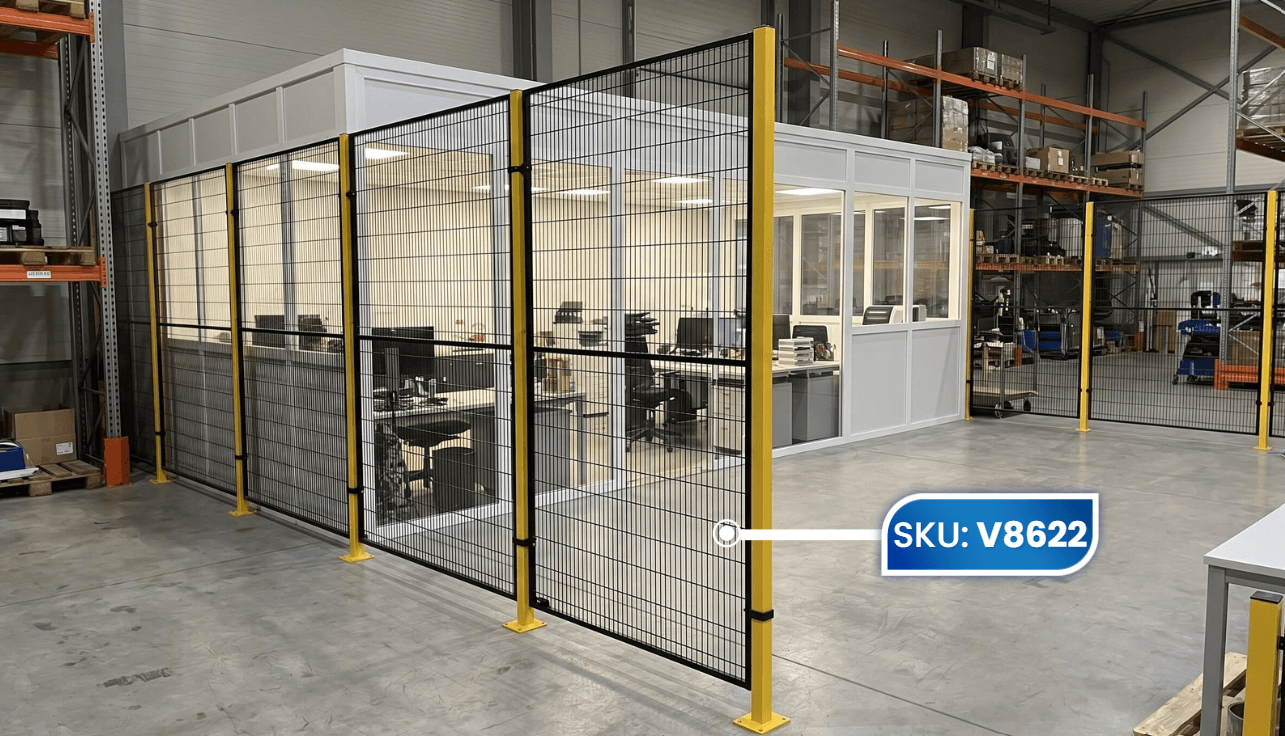
One of the most valuable features of modular safety fencing is the ability to relocate panels when operational needs change.
If machinery is moved, a production line expands or a project area is completed, the fencing can simply be dismantled and installed in a new location. This eliminates the need to demolish walls or install new infrastructure every time the facility layout changes.
For growing warehouses, this flexibility provides both operational and financial benefits.
Modular Systems Can Be Extended
Warehouse operations often expand gradually rather than all at once. As additional equipment or storage areas are introduced, safety zones may need to grow as well.
Modular fencing systems allow additional panels to be connected to existing barriers, extending safety zones without starting from scratch. This scalability makes it easier to maintain safe working environments as facilities develop over time.
For example, if a packing area expands to include additional workstations, the fencing can be extended to maintain clear separation from forklift traffic.
Modular Systems Can Be Reduced
Just as safety zones may expand, they may also need to shrink once projects are completed or processes are streamlined.
Modular fencing can be easily reduced by removing panels and reusing them elsewhere within the facility. This prevents wasted infrastructure and allows businesses to maximise the value of their safety equipment.
For example, once an internal construction or refurbishment project is finished, the temporary barrier can be removed and redeployed in another part of the warehouse.
No Need for Permanent Construction
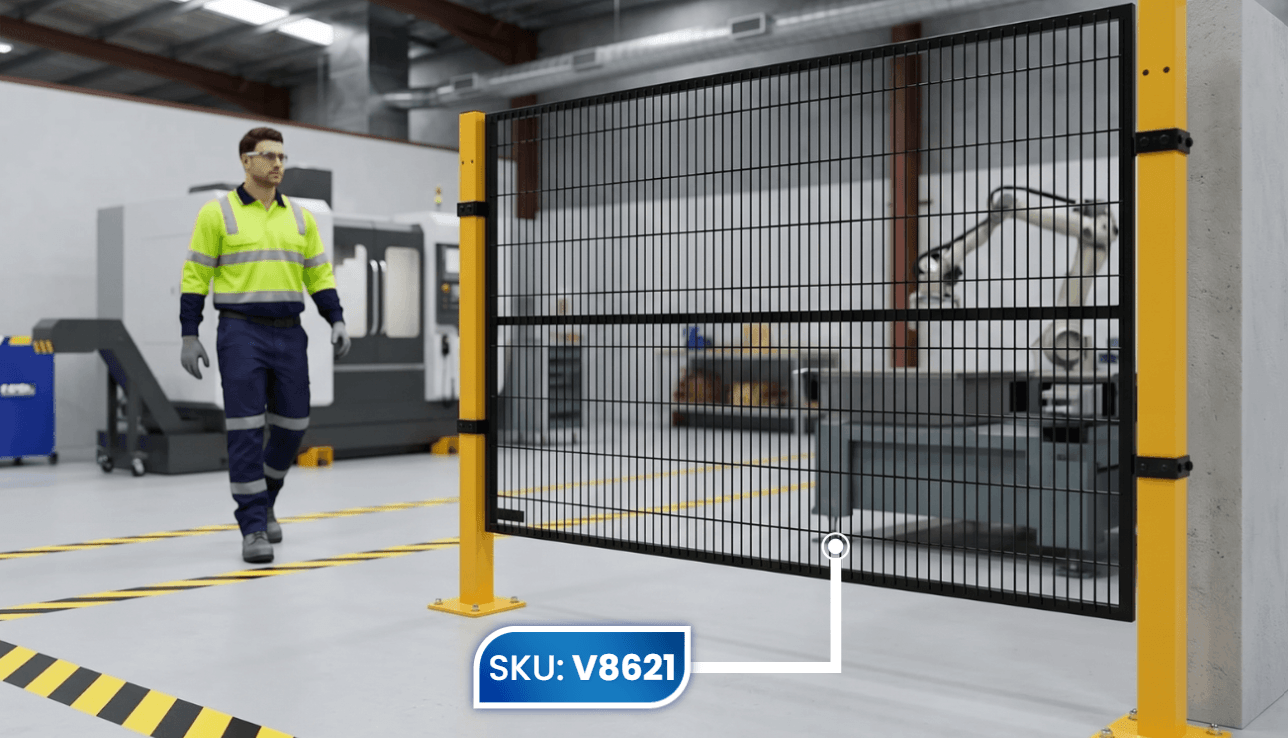
One of the major advantages of modular safety fencing is that it does not require permanent building work. Permanent walls and fixed structures often involve construction costs, approvals and extended installation times.
Modular fence systems can typically be installed with minimal disruption to ongoing operations. This makes them particularly useful for warehouses that cannot afford significant downtime.
Because the system is not permanently fixed, it also supports future adjustments without the need for demolition or structural modification.
Businesses comparing flexible fencing with fixed infrastructure may also find our guide Temporary vs Permanent Safety Barriers: What’s the Difference? useful for understanding when modular systems offer greater operational flexibility.
Practical Examples of Modular Fencing in Action
In real-world warehouse environments, modular fencing can support a variety of operational needs.
A distribution centre expanding its packing operations might install additional fencing around a new work zone to separate staff from nearby forklift traffic. In some facilities, modular fencing is also combined with Barriers & Bollards to strengthen pedestrian separation around high-traffic warehouse areas and loading zones.
A manufacturing facility introducing a new automated machine could use modular fencing to establish a safe perimeter during installation and testing.
A logistics warehouse preparing for peak seasonal demand may temporarily expand staging areas, using fencing to guide pedestrian movement and maintain safe equipment pathways.
In each case, the fencing helps maintain safety while allowing the facility to adapt quickly.
Supporting Workplace Safety and Compliance
Clear physical barriers are an important part of managing workplace hazards. Safety fencing helps reduce the risk of unauthorised access to restricted areas and improves visibility of potential hazards.
Physical separation also supports compliance with workplace safety expectations outlined by Safe Work Australia, which emphasises the importance of controlling risks wherever reasonably practicable.
Creating safer warehouse environments often involves combining physical separation with broader workplace safety measures such as Safety Barriers, PPE & Signage to improve hazard awareness, access control, and pedestrian safety throughout the facility.
Warehouses also commonly integrate accessible First Aid Equipment near operational zones so teams can respond quickly to incidents while maintaining safer workplace practices.
By clearly defining work zones, warehouses can improve both safety outcomes and operational organisation.
A Flexible Safety Solution for Growing Warehouses
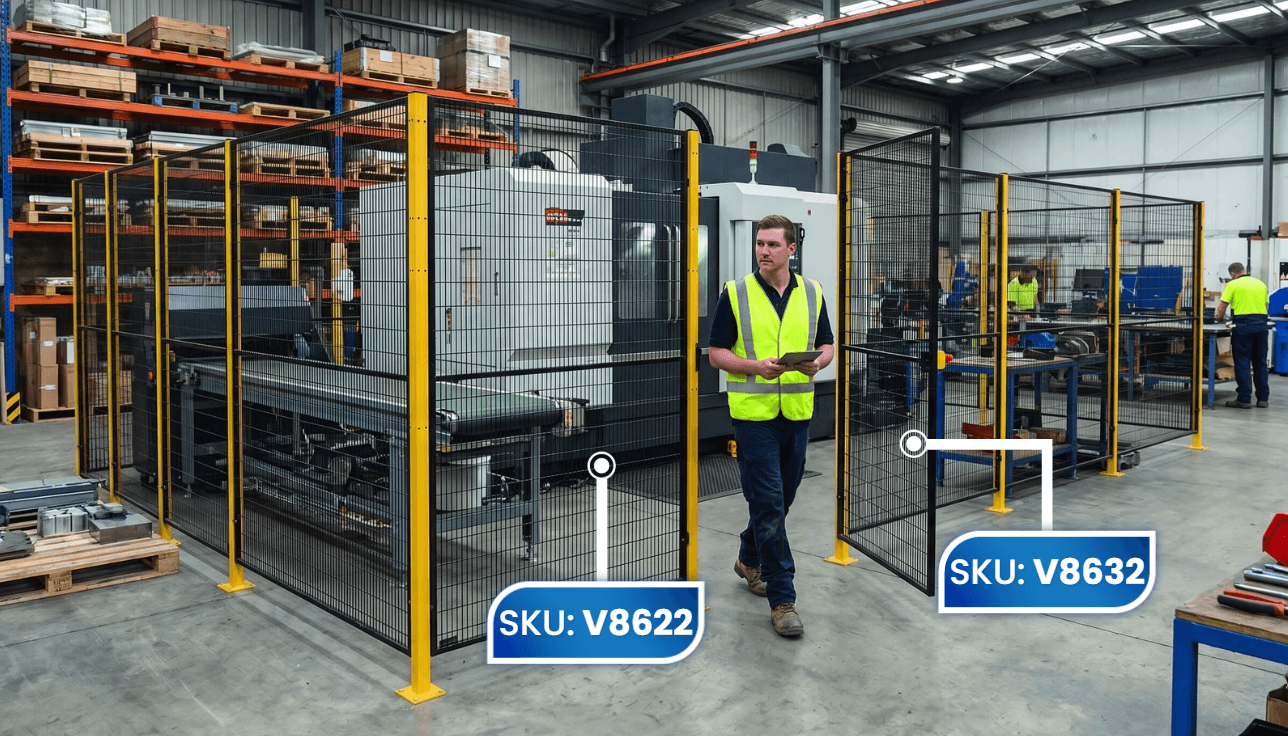
As warehouses expand and operations evolve, safety infrastructure must be able to adapt. Fixed barriers may work well in static environments, but many facilities require solutions that can evolve alongside their operations.
Modular safety fencing offers a practical way to create safe work zones while preserving the flexibility needed in modern industrial workplaces.
By allowing safety zones to be moved, extended or reduced as required, modular fencing helps warehouses maintain high safety standards without limiting future growth or operational changes.
Adaptable Warehouse Safety Solutions from Verdex
Verdex modular safety fencing systems help warehouses create flexible, scalable work zones without permanent construction. Designed for changing industrial environments, our fencing solutions can be moved, extended, or reconfigured as layouts evolve.
Whether you’re expanding operations, introducing new equipment, or creating temporary project zones, Verdex can help you maintain safer and more organised warehouse environments.