Login / Register




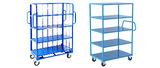
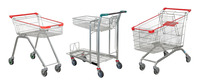
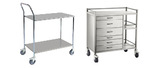
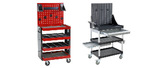





 Trolleys & Hand Trucks
 Cage Trolleys
 Cleaning Carts & Trolleys
 Construction Trolleys
 Custom Trolleys
 Hand Trucks & Dollies
 Laundry/Linen Trolleys
 Lifting Trolleys
 Order Picking Trolleys
 Panel Cart Trolleys
 Platform Trolleys
 Powered Trolleys
 Shelf & Tiered Trolleys
 Shopping Trolleys
 Stainless Steel Trolleys
 Tool Trolleys
 Utility & Service Carts
 Lifting & Handling Equipment
 Forklift Attachments
 Jib Attachments
 Lifting Hoists & Pallet Hooks
 Load Skates & Tow Tugs
 Manual Stackers & Lifters
 Pallet Jacks
 Pallet Lifters
 Pallet Rotators & Dispenser
 Powered Pallet Trucks & Electric Lifters
 Scissor Lift Trolleys and Tables
 Conveyor Equipment
 Conveyor Frames & Stands
 Roller & Skate Conveyors
 Ladders & Access Equipment
 Container & Yard Ramps
 Ladders & Step Stools
 Work Platforms & Crane Cages
 Drum Handling Equipment
 Drum Storage & Bunding
 Drum Trolleys & Lifters
 Forklift Drum Handling
 Waste Handling & Bins
 Bin Lifters & Tippers
 Plastic Waste & Wheelie Bins
 Steel Waste & Tipping Bins
 Waste Carts
 Dangerous Goods Storage & Spillage
 Aerosol Cans Storage Cages
 Bunded Pallets & Storage
 Corrosive Goods Storage Cabinets
 DG Storage & Trolleys
 Flammable Liquid Cabinets
 Forklift Gas Storage Cages
 Gas Cylinder Storage Bays
 Site Storage
 Spill Kits
 Shelving & Storage Equipment
 Stillage & Transport Cages
 750 Series Cage Configurations
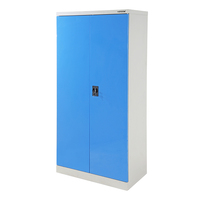 Heavy Duty Cabinets
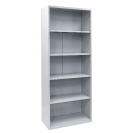 Heavy Duty Shelving
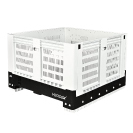 Mega Bins & Pallets
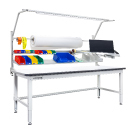 Packing & Workbenches
 Parts Trays & Stor-Pak Bins
 Pegboard & Louvre Panels
 Plastic Bins & Crates
 Plastic Handling Solutions Bins
 Plastic Pallets
 Stack & Nest Bins
 Pallet Racking Accessories
 Workplace Equipment
 Modular Workbenches
 Electric Height-Adjustable Workbenches
 Floor Matting
 General Workplace Equipment
 Industrial Weighing Scales
 Packaging Machinery
 Stationery Cupboards
 Storage and Stillage Cages
 Tool Trolleys
 Tooling Cabinets
 Workshop Fans and Coolers
 Safety Barriers, PPE & Signage
 Modular Safety Fence System
 Barriers & Bollards
 First Aid Equipment
 Gloves, Knives and PPE
 Signage
 Cleaning & Site Supplies
 Cleaning Equipment
 Cleaning Trolleys
 Rubbish Bins
 Signs & Traffic Supplies
 Construction Equipment
 Construction Trolleys
 Waste Handling
 General Site Equipment
 Concrete Equipment
 Site Storage
 Lifting Equipment
 Verdex Specials
How Poor Material Handling Causes Unplanned Downtime
Date Posted:27 January 2026
Unreliable material handling is a leading cause of unplanned downtime, injuries, and workflow disruptions in Australian workplaces. Discover how the right equipment and preventive strategies can eliminate bottlenecks and keep operations running smoothly.
Verdex Insights: At a Glance
-
The Challenge: Poor material handling practices, such as manual transport, disorganised storage, and unreliable equipment, are a major cause of unplanned downtime that disrupts workflows, increases labour costs, and delays customer orders.
-
The Insight: Most unplanned downtime is preventable when warehouses improve material flow, reduce manual handling, and replace reactive fixes with reliable equipment and preventive maintenance strategies.
-
The Verdex Solution: Verdex supplies dependable material handling, storage, and safety equipment that helps warehouses reduce breakdowns, maintain consistent uptime, and protect productivity while staying WHS compliant.
How Poor Material Handling Causes Unplanned Downtime
In every Australian warehouse or industrial facility, time is money. When goods stop moving, even for a short while, costs rise fast. Unplanned downtime, those unexpected halts in production or logistics, can throw off entire schedules, create delivery delays, and cut deep into profitability.
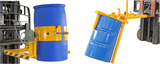
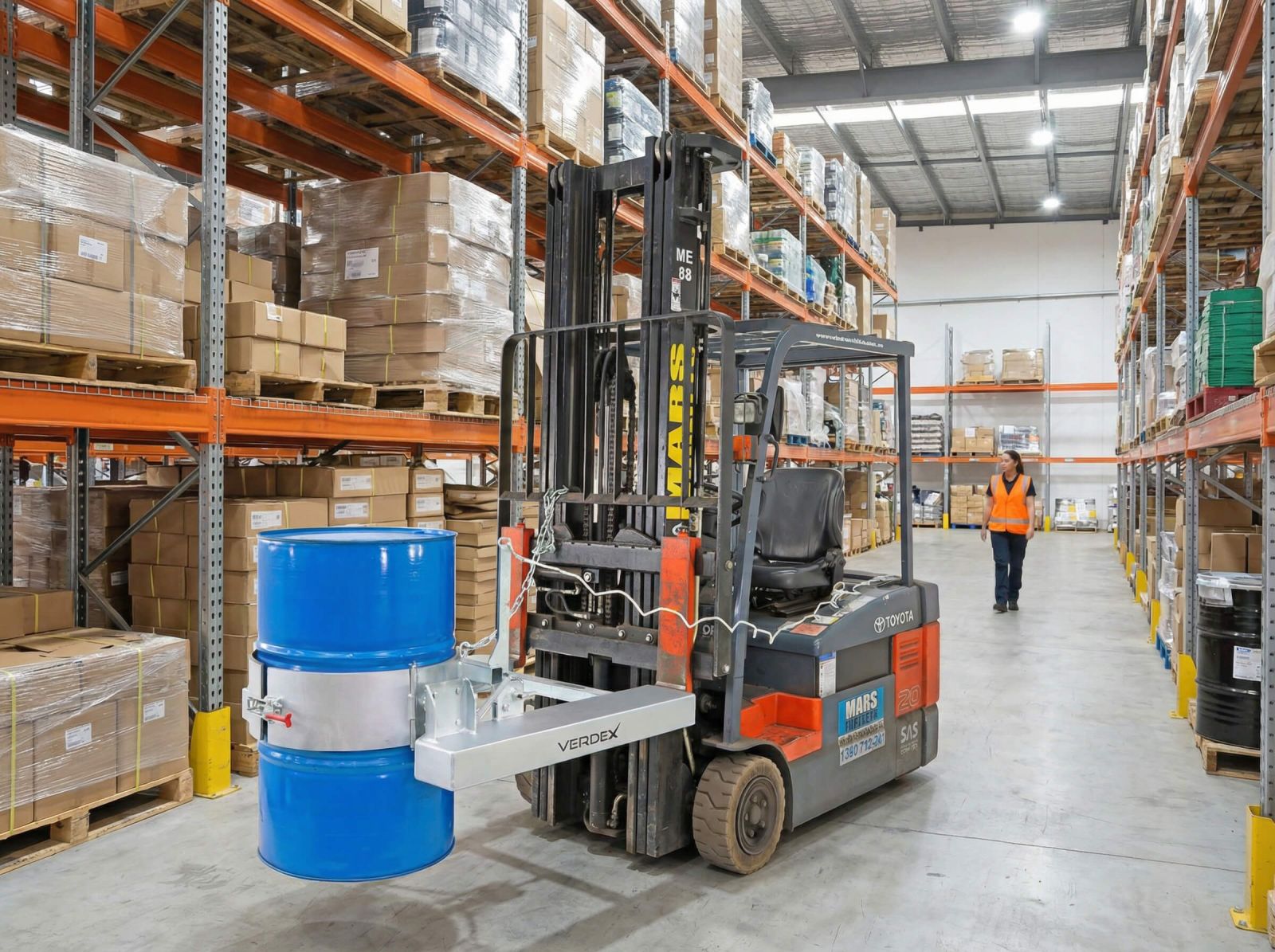
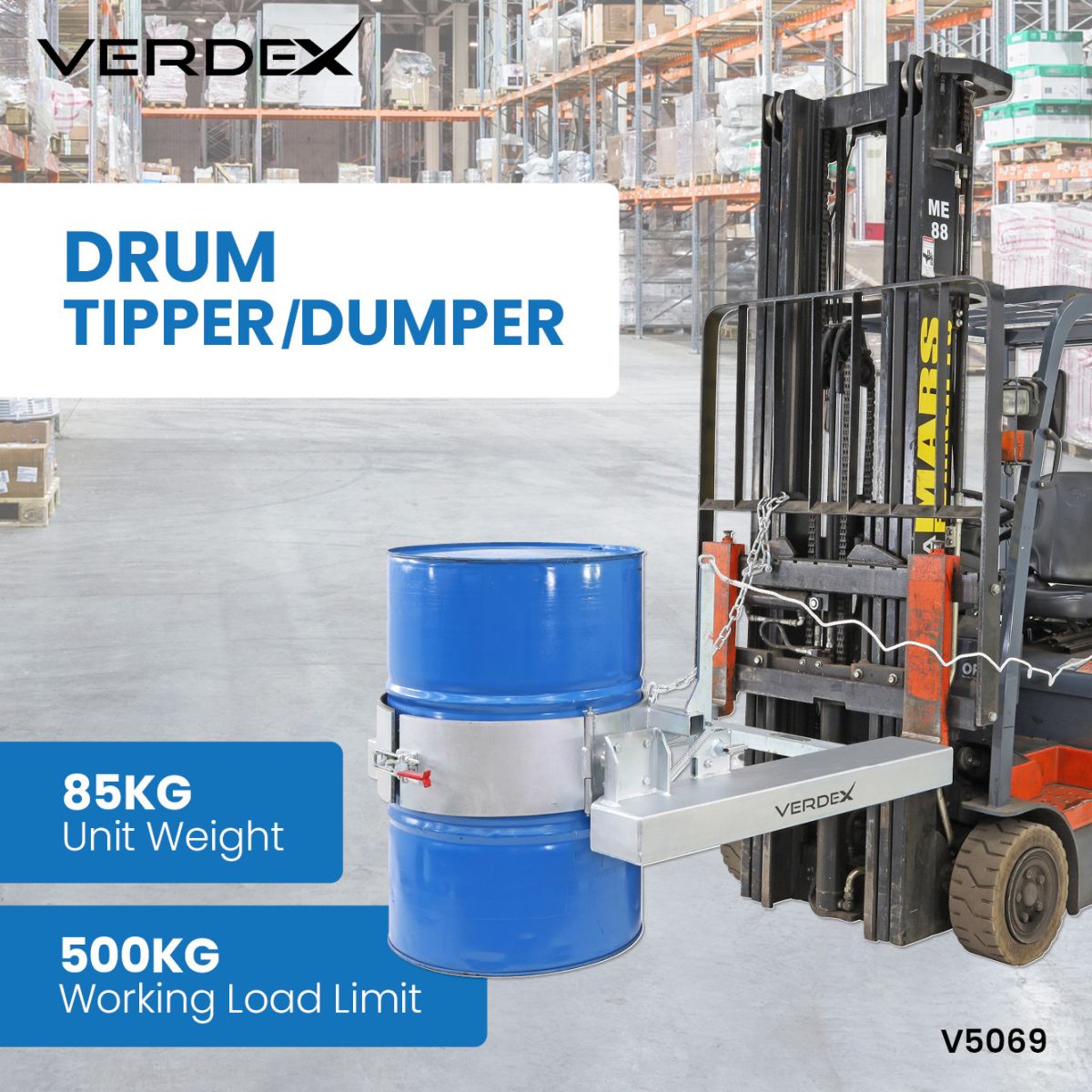
What’s surprising is that many of these disruptions aren’t caused by freak equipment failures or bad luck. More often than not, they stem from poor material handling, inefficient layouts, outdated gear, or unsafe manual practices such as manually handling drums instead of using purpose-built equipment like a Drum Tipper / Dumper forklift attachment, which increases strain and spill risk.
These issues often become more pronounced as operations grow, especially when facilities try to scale without upgrading their equipment. This challenge is explored further in How Material Handling Equipment Help Warehouses Scale Safely and Efficiently, which outlines why growth without the right systems leads to breakdowns.
The good news? With the right approach and equipment, these costly stoppages can be largely prevented. Verdex, one of Australia’s most trusted suppliers of material handling and safety solutions, helps businesses keep operations moving smoothly and safely by tackling downtime at its source.
The Hidden Cost of Downtime
Downtime might seem like a temporary inconvenience, but across warehouses, factories, and logistics centres, it can have significant consequences. When production or order fulfilment grinds to a halt, even for an hour, the ripple effects are felt across the entire supply chain.
According to Safe Work Australia and industry reports, lost productivity due to equipment failure, poor flow, or injuries contributes to millions of dollars in annual costs. Each delay adds up, from overtime payments and missed deadlines to customer dissatisfaction and safety risks.
Many of these costs are often hidden until they compound over time, as outlined in 10 True Costs of Inefficient Storage and How Materials Handling Equipment Pays for Itself.
In many workplaces, these interruptions are preventable. The root problem often lies in how materials are moved, stored, and handled. When the right systems and tools aren’t in place, small inefficiencies turn into major slowdowns.
4 Real Causes of Unplanned Downtime
Downtime doesn’t just happen; it’s usually the result of several recurring issues that can be traced back to poor handling practices or inadequate equipment.
1. Manual Processes That Slow Movement
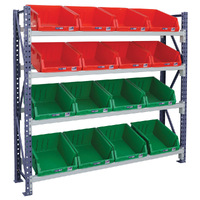
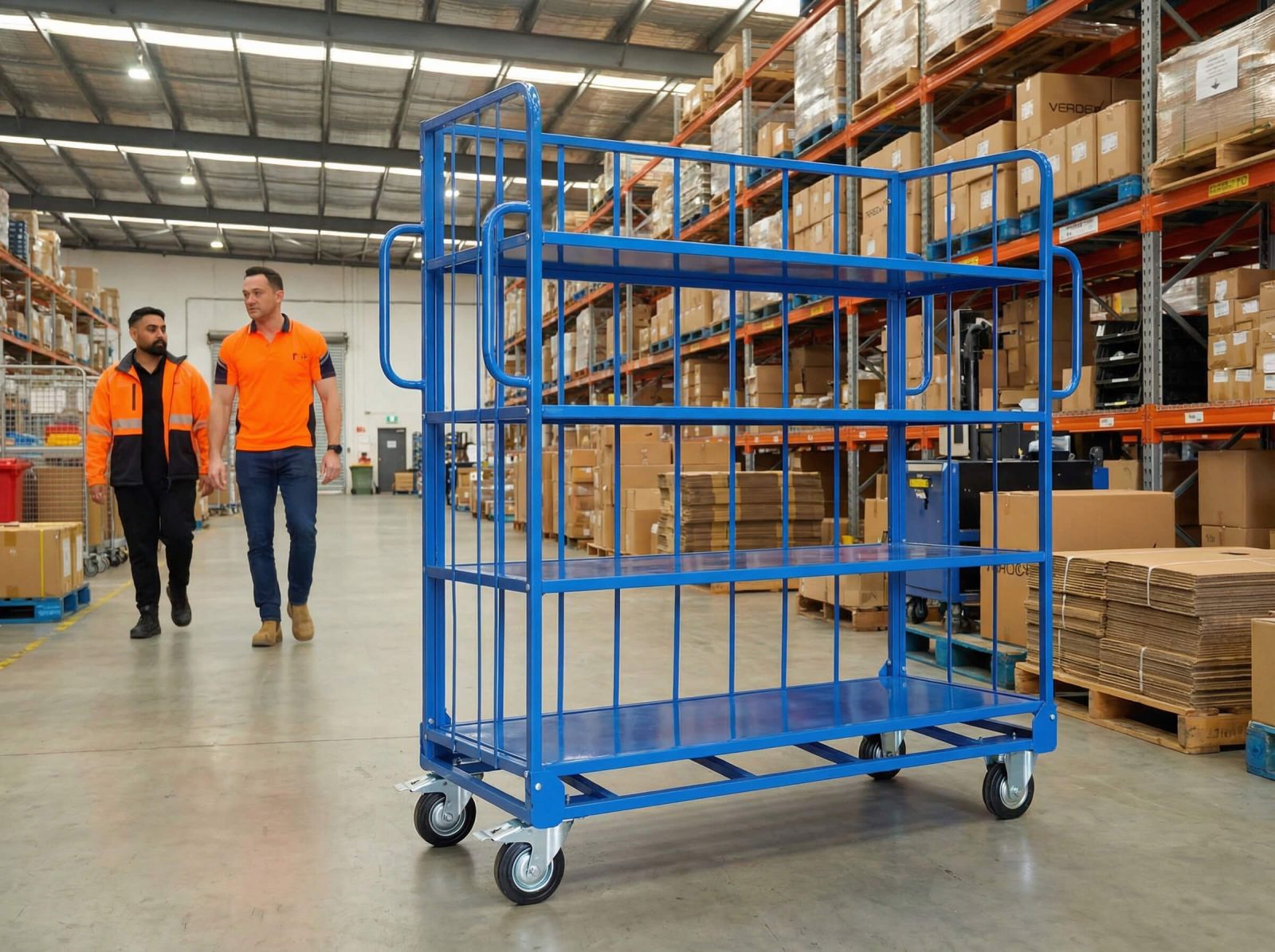
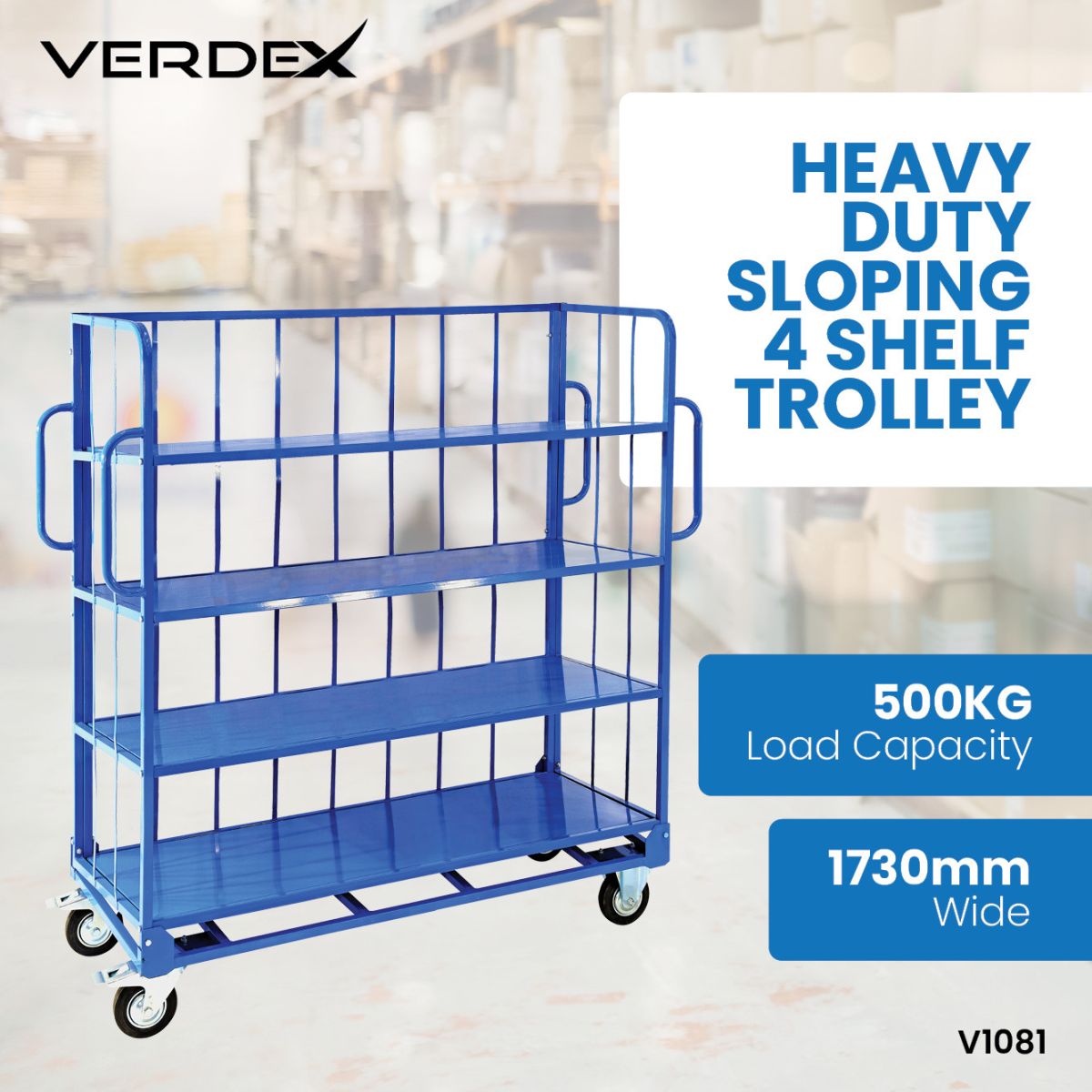
When workers rely solely on physical effort to move materials, fatigue and injuries are almost inevitable. Manual handling also slows down workflows and increases the risk of strain-related absences, particularly when items are moved one at a time instead of using heavy duty sloping 4 shelf trolleys designed for batch transport.
2. Poor Material Flow Design
Disorganised layouts, long travel distances between zones, or blocked aisles make it hard for goods to move efficiently. Without clear pathways or mechanical support systems, productivity plummets. Many worksites regain efficiency by reorganising layouts and introducing better equipment, as discussed in How to Regain Control of Unorganised Worksites with Reliable Material Handling Equipment.
3. Worn or Low-Quality Equipment
Pallet jacks, trolleys, or conveyors that break down regularly can bring entire operations to a standstill. Using low-quality or poorly maintained equipment often means dealing with frequent failures and unexpected repair time.
4. Reactive Instead of Preventive Maintenance
Waiting until something breaks to fix it is a sure way to lose time and money. Many facilities overlook regular inspections, cleaning, and lubrication schedules, all essential to keeping handling systems running reliably.
When these issues combine, unplanned downtime becomes an ongoing challenge that affects every level of operation, from warehouse teams to management and customers.
The Impact on Australian Workplaces
The financial and operational consequences of downtime are significant. Even small disruptions can spiral into major costs if not addressed promptly and effectively.
-
Lost Output: Every minute of idle equipment or labour represents wasted potential. When goods aren’t moving, revenue isn’t being generated.
-
Higher Labour Costs: Workers often need to stay back or work overtime to catch up, increasing payroll expenses.
-
Safety Risks: Rushed work increases the likelihood of incidents, something addressed in How to Prevent Common Accidents with Material Handling Equipment.
-
Reduced Morale: Constant slowdowns and breakdowns frustrate staff, affecting morale and increasing turnover.
-
Customer Impact: Late deliveries damage trust and reputation, which can lead to lost business over time.
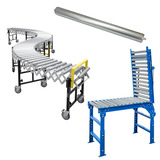
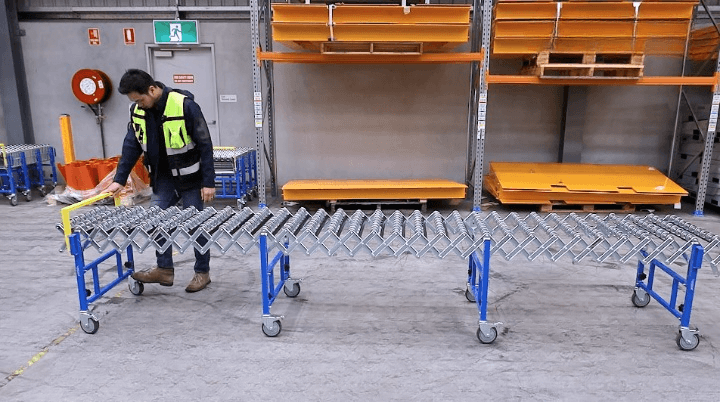
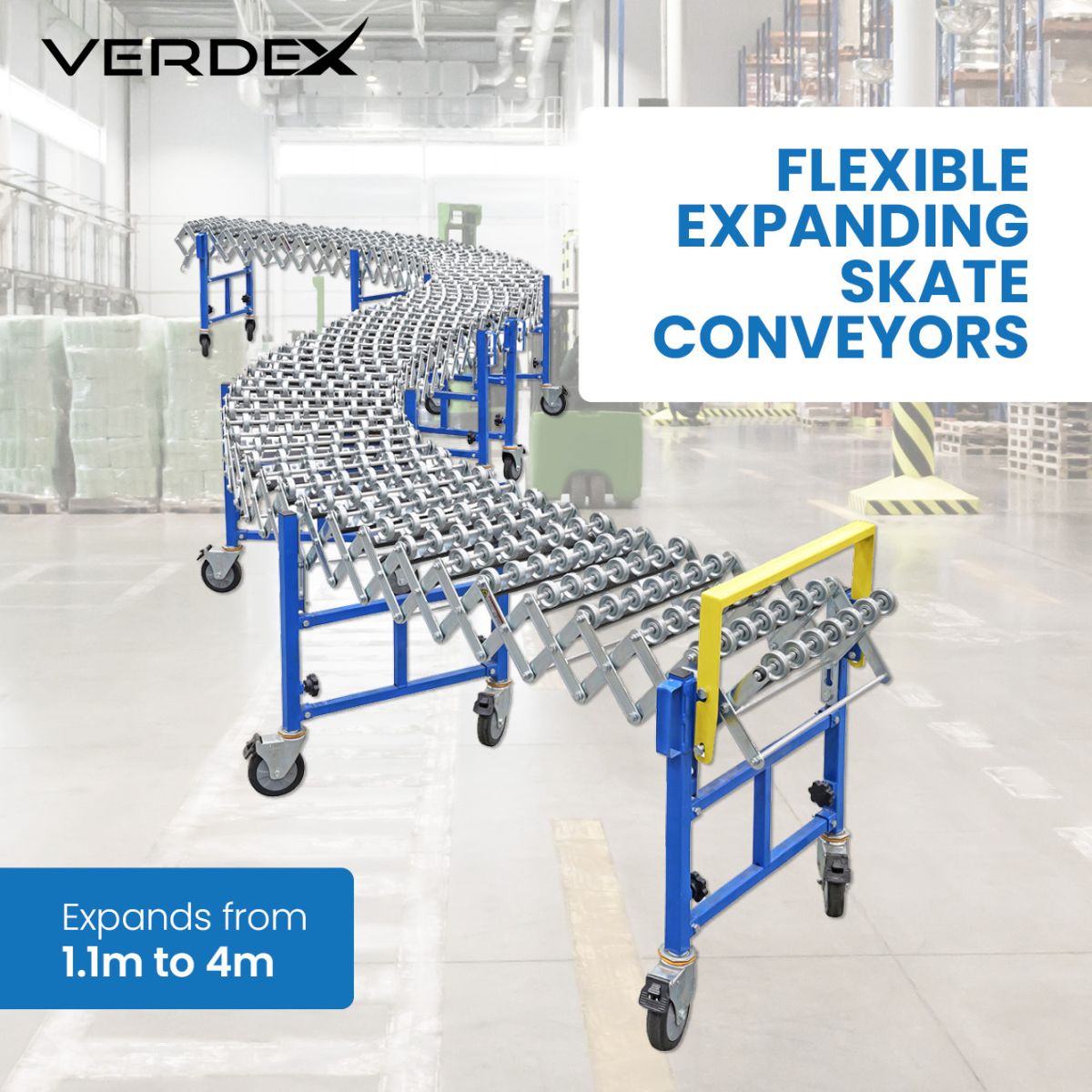
Preventing downtime isn’t just about saving time; it’s about creating a safer, more stable, and more efficient work environment. Practical solutions such as flexible expanding skate conveyors help address these challenges by maintaining consistent product flow, reducing manual handling, and adapting quickly to changing layouts in busy Australian warehouses.
How Material Handling Equipment Fixes the Problem
The best way to reduce unplanned downtime is to tackle its root causes. Verdex provides a full range of material handling equipment designed to streamline movement, reduce strain, and improve reliability across Australian warehouses and industrial sites.
Here’s how different types of Verdex equipment directly help minimise downtime:
Conveyor Equipment – Continuous Movement Without Delay
Conveyors are one of the most effective ways to reduce manual handling and keep materials flowing steadily. They eliminate the bottlenecks caused by carrying or transporting items by hand, ensuring goods move from one station to the next without interruption. In high-throughput environments, this consistency can make the difference between meeting or missing deadlines.
Lifting Equipment – Preventing Injuries and Fatigue
Workplace injuries from lifting are a major cause of unplanned absences. Verdex’s lifting tables, hoists, and scissor lifts take the strain off workers by raising and positioning heavy loads safely. This reduces fatigue, prevents musculoskeletal injuries, and keeps teams productive and capable of maintaining steady output.
Trolleys and Hand Trucks – Faster, Easier Transport
Moving goods manually can slow operations and cause overexertion. Verdex’s range of trolleys and hand trucks enables staff to move heavier items quickly and safely. Ergonomic designs improve control and reduce the effort needed, cutting down on delays and the risk of strain injuries.
Shelving and Storage Equipment – Improving Organisation
Disorganised storage is a hidden source of downtime. Workers waste valuable time searching for misplaced items or navigating through cluttered areas. Verdex’s shelving and racking systems keep materials organised, accessible, and secure, supporting faster retrieval and smoother workflows.
Waste Handling and Cleaning Equipment – Keeping Work Areas Clear
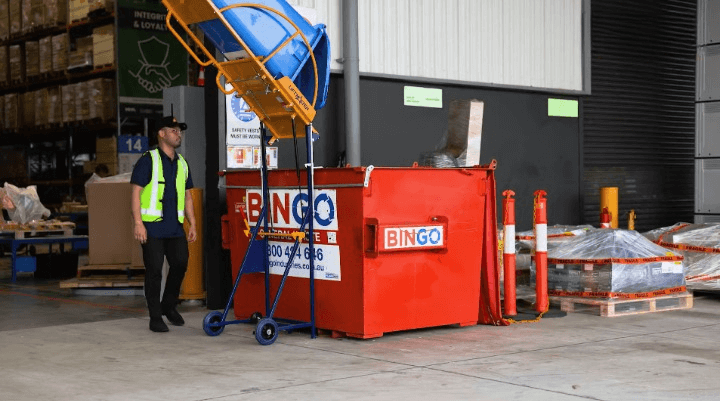
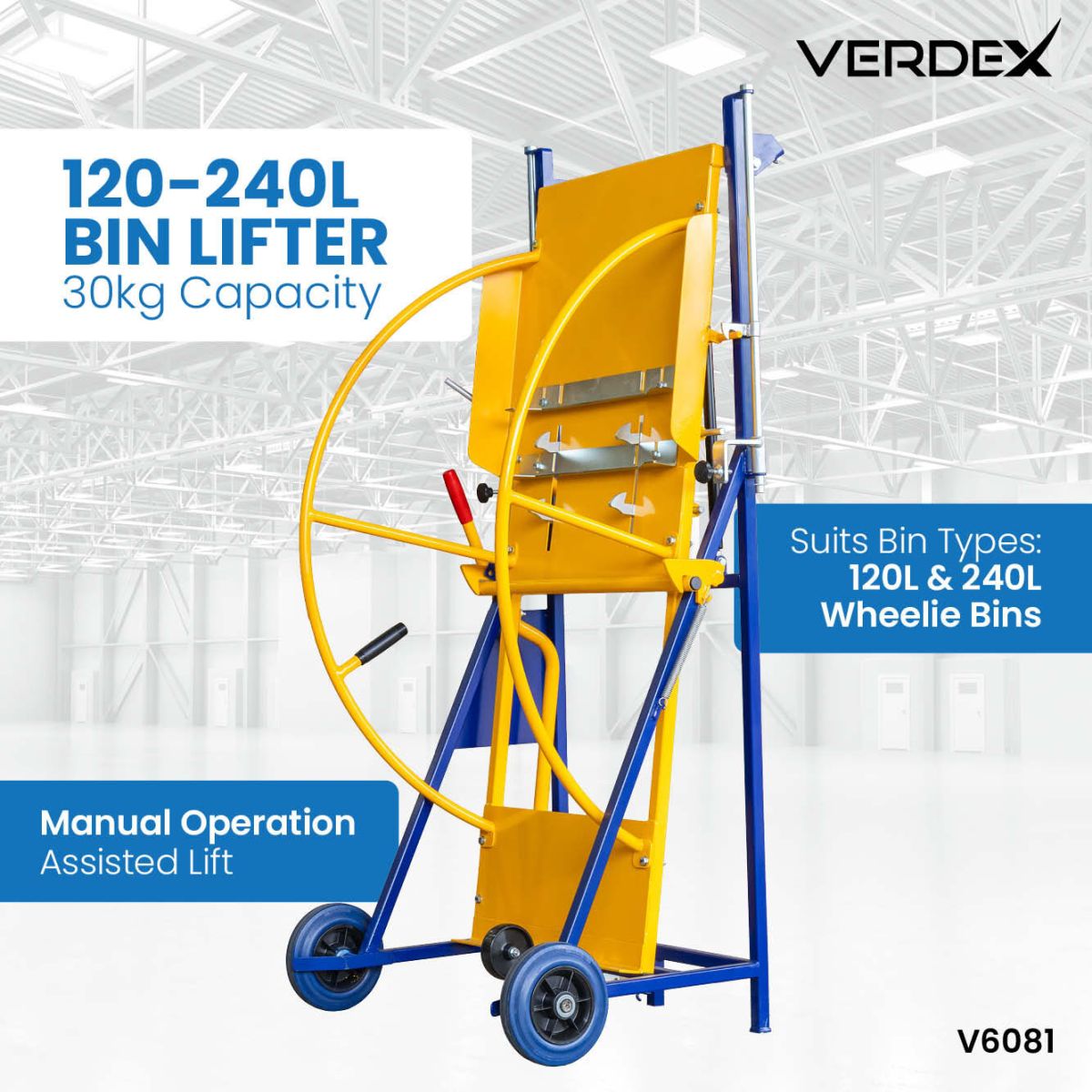
Clutter, spills, and waste are leading causes of unplanned stoppages due to accidents or blocked pathways, particularly when bins are emptied manually instead of using bin lifters (such as our 120-240L Bin Lifter 30kg capacity) designed for safe, controlled tipping. Verdex’s waste bins, tippers, and cleaning systems help maintain clean, organised spaces where workers can operate efficiently without disruption.
By integrating these solutions, workplaces can build systems that support steady productivity, protect their teams, and drastically cut down on unplanned downtime.
Preventive Maintenance and Smart Equipment Use
Even the best equipment requires proper care to perform consistently. A preventive maintenance approach helps extend the lifespan of tools, machinery, and handling systems and avoids the surprise breakdowns that derail schedules.
Some key practices include:
-
Routine Inspections: Regular checks help identify wear or damage before it becomes a problem.
-
Scheduled Servicing: Planned maintenance reduces the likelihood of mechanical failure.
-
Proper Cleaning: Keeping equipment clean prevents dust or debris buildup that can impair function.
-
Staff Training: Workers who understand correct usage and handling procedures are less likely to cause accidental damage.
-
Quality Investment: Choosing durable, Australian-standard equipment, like that offered by Verdex, means fewer breakdowns and a better return on investment.
By treating equipment as a critical part of the operation, not just a background asset, managers can build resilience into their processes and safeguard productivity.
Keep Operations Moving with Verdex
Reducing unplanned downtime is about more than just fixing things when they break; it’s about designing efficiency and reliability into every stage of your operation. From lifting and storage to cleaning and transport, Verdex provides the high-quality, ergonomically designed material handling solutions that keep Australian workplaces running smoothly.
By improving material flow, reducing manual effort, and ensuring the right equipment is always ready for the job, Verdex helps businesses:
-
Maintain consistent uptime and workflow
-
Improve WHS compliance and safety outcomes
-
Reduce maintenance and labour costs
-
Increase worker satisfaction and efficiency
With Verdex, unplanned downtime becomes a thing of the past, replaced by a more reliable, productive, and safer work environment.
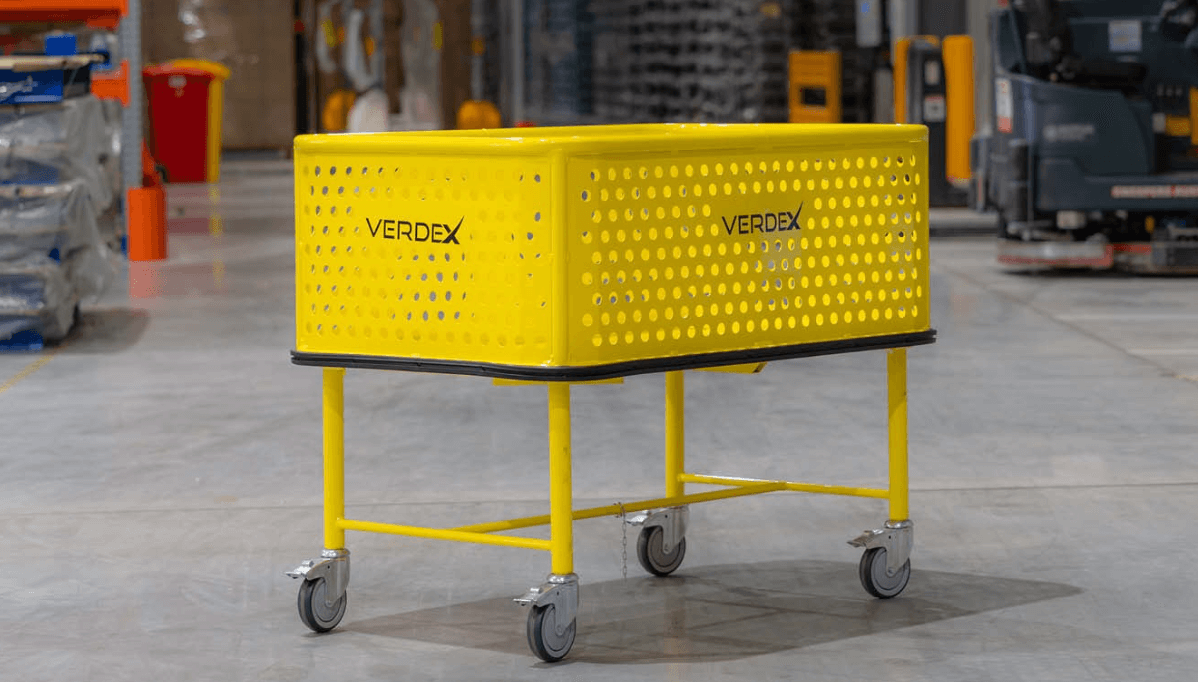
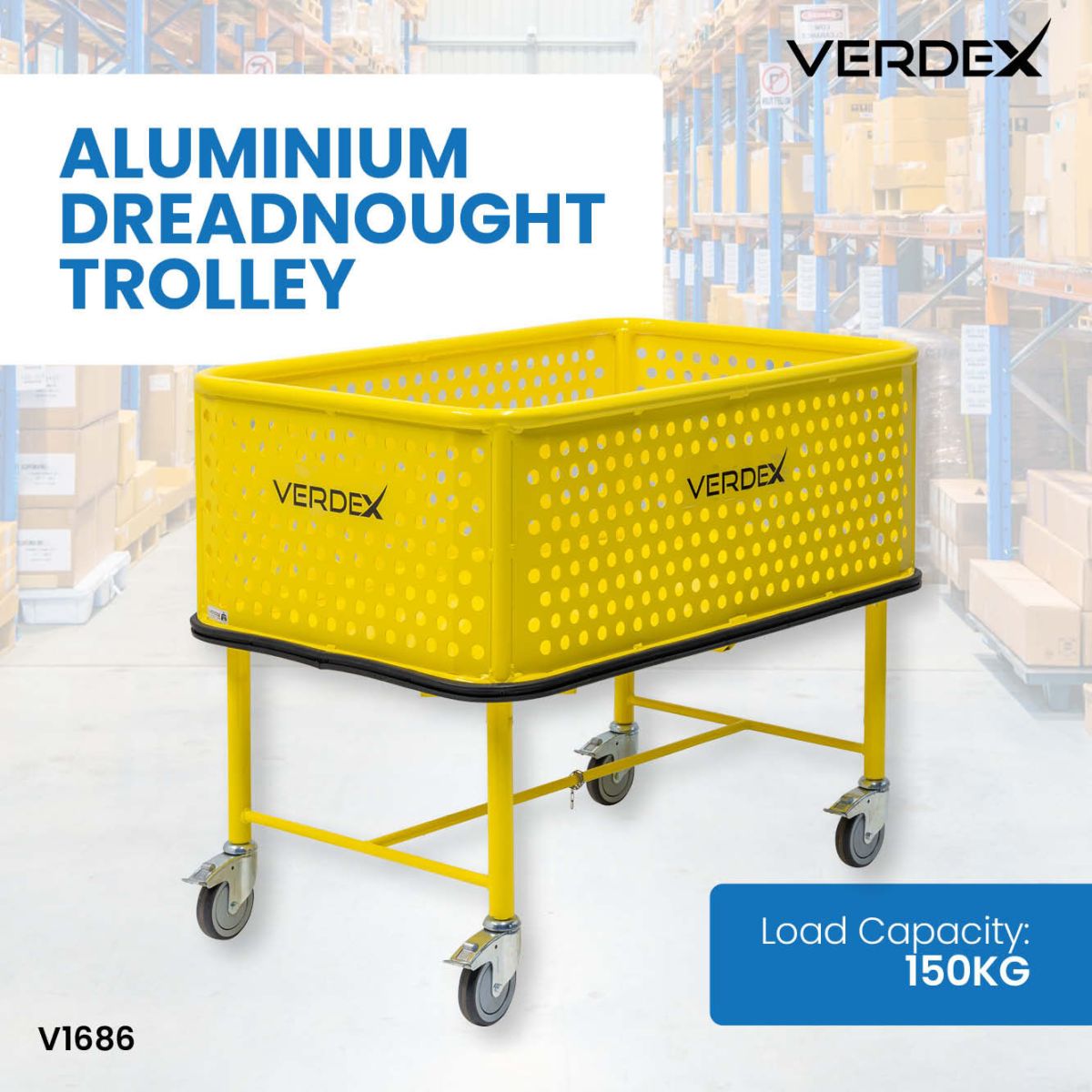
For example, durable transport solutions like the Aluminium Dreadnought Trolley allow heavy loads to be moved safely and efficiently, reducing manual strain while keeping goods moving when it matters most.
FAQs
1. What causes most unplanned downtime in warehouses?
The main causes are equipment failure, manual handling injuries, poor material flow, and disorganised storage. These issues often stem from using outdated or inadequate handling systems.
2. How does Verdex equipment help reduce downtime?
Verdex’s range of conveyors, lifters, trolleys, and storage systems streamline workflows and prevent breakdowns or injuries that typically lead to unplanned stoppages.
3. Is Verdex equipment compliant with Australian WHS standards?
Yes. All Verdex products are built to meet or exceed Australian safety and compliance standards, ensuring both reliability and workplace safety.
4. How can preventive maintenance reduce downtime?
Routine checks and servicing prevent small faults from turning into major failures, ensuring that equipment remains safe and operational for longer periods.
5. Why invest in high-quality material handling equipment?
Premium equipment lasts longer, requires less maintenance, and supports safer, faster operations, ultimately saving time, money, and reducing unplanned disruptions.