Login / Register






 Trolleys & Hand Trucks
 Cage Trolleys
 Cleaning Carts & Trolleys
 Construction Trolleys
 Custom Trolleys
 Hand Trucks & Dollies
 Laundry/Linen Trolleys
 Lifting Trolleys
 Order Picking Trolleys
 Panel Cart Trolleys
 Platform Trolleys
 Powered Trolleys
 Shelf & Tiered Trolleys
 Shopping Trolleys
 Stainless Steel Trolleys
 Tool Trolleys
 Utility & Service Carts
 Lifting & Handling Equipment
 Forklift Attachments
 Jib Attachments
 Lifting Hoists & Pallet Hooks Accessories
 Load Skates & Tow Tugs
 Manual Stackers & Lifters
 Pallet Jacks
 Pallet Lifters
 Pallet Rotators & Dispenser
 Powered Pallet Trucks & Electric Lifters
 Scissor Lift Trolleys and Tables
 Conveyor Equipment
 Conveyor Frames & Stands
 Roller & Skate Conveyors
 Ladders & Access Equipment
 Container & Yard Ramps
 Ladders & Step Stools
 Work Platforms & Crane Cages
 Drum Handling Equipment
 Drum Storage & Bunding
 Drum Trolleys & Lifters
 Forklift Drum Handling
 Waste Handling & Bins
 Bin Lifters & Tippers
 Plastic Waste & Wheelie Bins
 Steel Waste & Tipping Bins
 Waste Carts
 Dangerous Goods Storage & Spillage
 Aerosol Cans Storage Cages
 Bunded Pallets & Storage
 Corrosive Goods Storage Cabinets
 DG Storage & Trolleys
 Flammable Liquid Cabinets
 Forklift Gas Storage Cages
 Gas Cylinder Storage Bays
 Site Storage
 Spill Kits
 Shelving & Storage Equipment
 Stillage & Transport Cages
 750 Series Cage Configurations
 Heavy Duty Cabinets
 Heavy Duty Shelving
 Mega Bins & Pallets
 Packing & Workbenches
 Parts Trays & Stor-Pak Bins
 Pegboard & Louvre Panels
 Plastic Bins & Crates
 Plastic Handling Solutions Bins
 Plastic Pallets
 Stack & Nest Bins
 Pallet Racking Accessories
 Workplace Equipment
 Modular Workbenches
 Electric Height-Adjustable Workbenches
 Floor Matting
 General Workplace Equipment
 Industrial Weighing Scales
 Packaging Machinery
 Stationery Cupboards
 Storage and Stillage Cages
 Tool Trolleys
 Tooling Cabinets
 Workshop Fans and Coolers
 Safety Barriers, PPE & Signage
 Modular Safety Fence System
 Barriers & Bollards
 First Aid Equipment
 Gloves, Knives and PPE
 Signage
 Cleaning & Site Supplies
 Cleaning Equipment
 Cleaning Trolleys
 Rubbish Bins
 Signs & Traffic Supplies
 Construction Equipment
 Construction Trolleys
 Waste Handling
 General Site Equipment
 Concrete Equipment
 Site Storage
 Lifting Equipment
 Verdex Specials
10 True Costs of Inefficient Storage and How Materials Handling Equipment Pays for Itself
Date Posted:6 January 2026
Inefficient storage silently drives up costs through wasted space, slow workflows, injuries, and damaged stock. Learn how the right materials handling equipment can eliminate these hidden losses and quickly pay for itself over time.
Verdex Insights: At a Glance
-
The Challenge: Many Australian warehouses operate with inefficient storage layouts that waste space, slow workflows, increase manual handling injuries, and cause ongoing product damage. These issues quietly drive up operating costs, reduce productivity, and create WHS compliance risks that are often underestimated.
-
The Insight: Inefficient storage carries both visible and hidden costs, including wasted floor space, labour inefficiencies, higher injury claims, stock losses, and customer dissatisfaction. When storage and handling systems are poorly designed, these costs can consume a significant portion of a warehouse’s operating budget. Most of these losses stem from outdated layouts and a lack of fit-for-purpose materials handling equipment.
-
The Verdex Solution: Verdex helps businesses eliminate these hidden costs by supplying structured storage and material handling solutions that improve flow, safety, and accessibility. With compliant racking, stillage cages, lifting aids, and protective systems, Verdex enables warehouses to reclaim space, reduce injuries, increase throughput, and achieve fast returns on investment through measurable efficiency gains.
10 True Costs of Inefficient Storage and How Materials Handling Equipment Pays for Itself
Many Australian warehouses operate with storage systems that were never designed for modern demand. Over time, racks become cluttered, aisles narrow, and storage zones expand without strategy. The result is an inefficient space that drains time, increases risks, and quietly eats away at profits.
The real cost of inefficient storage isn’t just about untidiness; it’s about the lost potential hidden within every square metre. Poor organisation slows productivity, damages goods, and puts workers at risk. Even though these costs often go unnoticed, they are among the most significant factors holding back warehouse performance.
With the right materials handling equipment, these losses can be stopped and often reversed. By improving flow, safety, and accessibility, the right equipment pays for itself in saved space, reduced injuries, and higher output.
In high-volume waste and materials handling areas, equipment such as the Verdex Auto Wheelie Bin Tipper With Remote helps streamline repetitive tipping tasks, reduce manual handling strain, and keep workflows moving safely and efficiently.
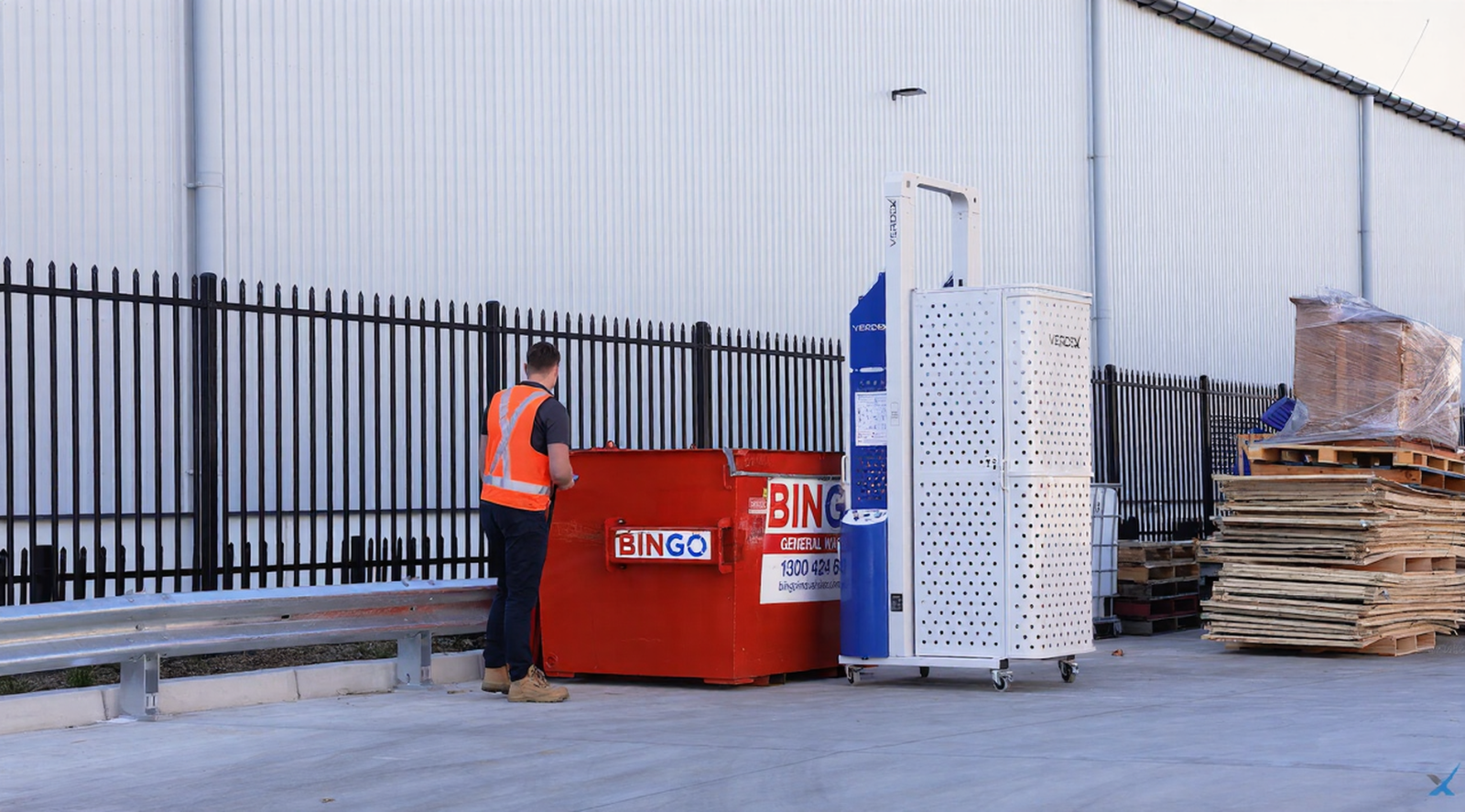 Warehouse Manager activating Verdex Auto Wheelie Bin Tipper With Remote outside warehouse ↗
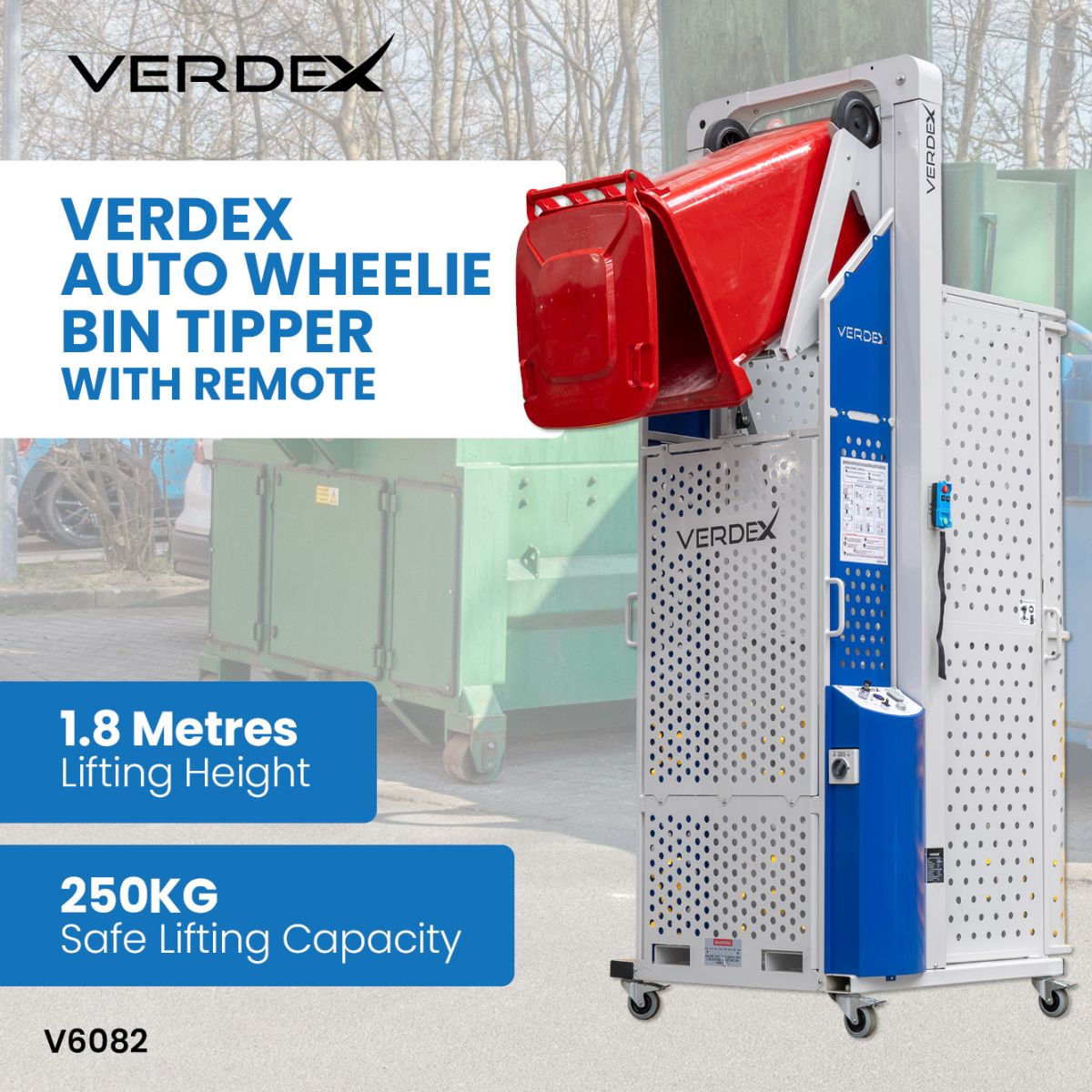 V6082: Battery Electric Wheelie Bin Tipper (Fully Enclosed) ↗
Why Smarter Storage Matters
A well-designed storage system is the foundation of an efficient warehouse. Every product, tool, or pallet has a place, and every movement follows a clear path. But when space is misused or equipment is outdated, efficiency breaks down.
Inefficient storage doesn’t just waste space; it wastes time and energy. Workers travel longer distances, forklifts manoeuvre through cluttered aisles, and products are stored in unsafe or inaccessible areas. Each of these small inefficiencies adds up, leading to delays, damage, and higher costs.
Warehouses facing cluttered layouts and inefficient workflows often benefit from stepping back and reassessing their systems, as outlined in our guide on how to regain control of unorganised worksites with reliable material handling equipment.
The key to solving this lies in structured storage and reliable material handling solutions that work together to create an organised, safe, and productive environment.
The 10 True Costs of Inefficient Storage
Inefficient storage carries both visible and hidden costs. Some you will see immediately in your budget; others erode profitability quietly in the background. Together, they can consume as much as 15–25% of your warehouse’s operating costs.
Let’s break them down into two categories: tangible and hidden, as summarised in the table below.
| Tangible Costs | Hidden Costs |
|---|---|
| 1. Wasted floor space | 6. Lost productivity opportunities |
| 2. Product damage and replacement costs | 7. Reduced employee morale and retention |
| 3. Workplace injuries and compensation claims | 8. Inventory inaccuracy and stock losses |
| 4. Equipment damage and repairs | 9. Customer dissatisfaction and brand damage |
| 5. Slower throughput and labour inefficiency | 10. WHS compliance risks |
Tangible Costs of Inefficient Storage
These are the direct, measurable costs that hit your bottom line.
1. Wasted Floor Space
Poorly planned layouts or unused vertical space can waste 10–30% of potential storage capacity. That’s money spent on rent, electricity, and maintenance for space that isn’t working for you.
Modern racking and shelving systems help reclaim that space, allowing warehouses to store more goods within the same footprint and reduce the need for costly expansion.
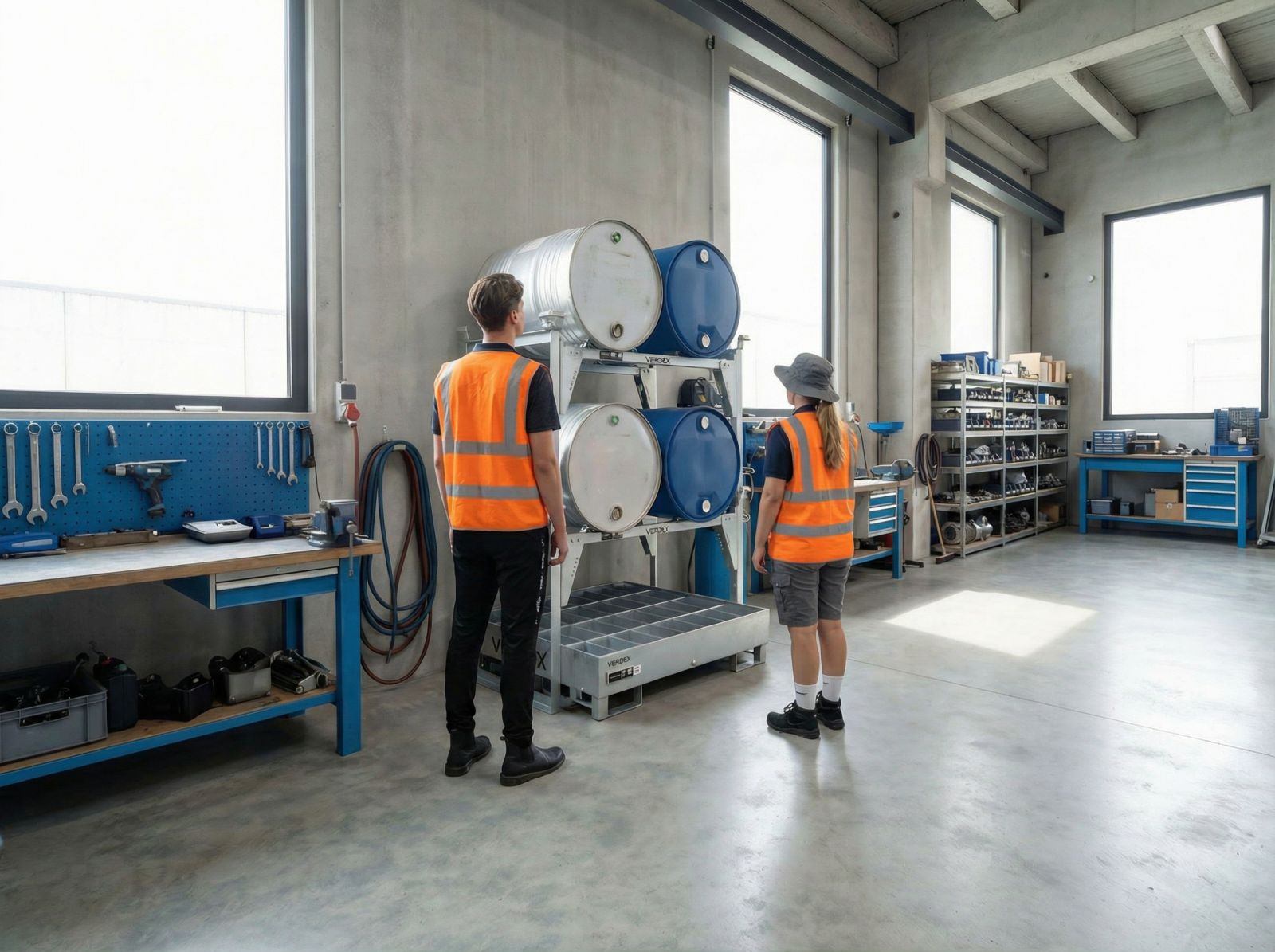
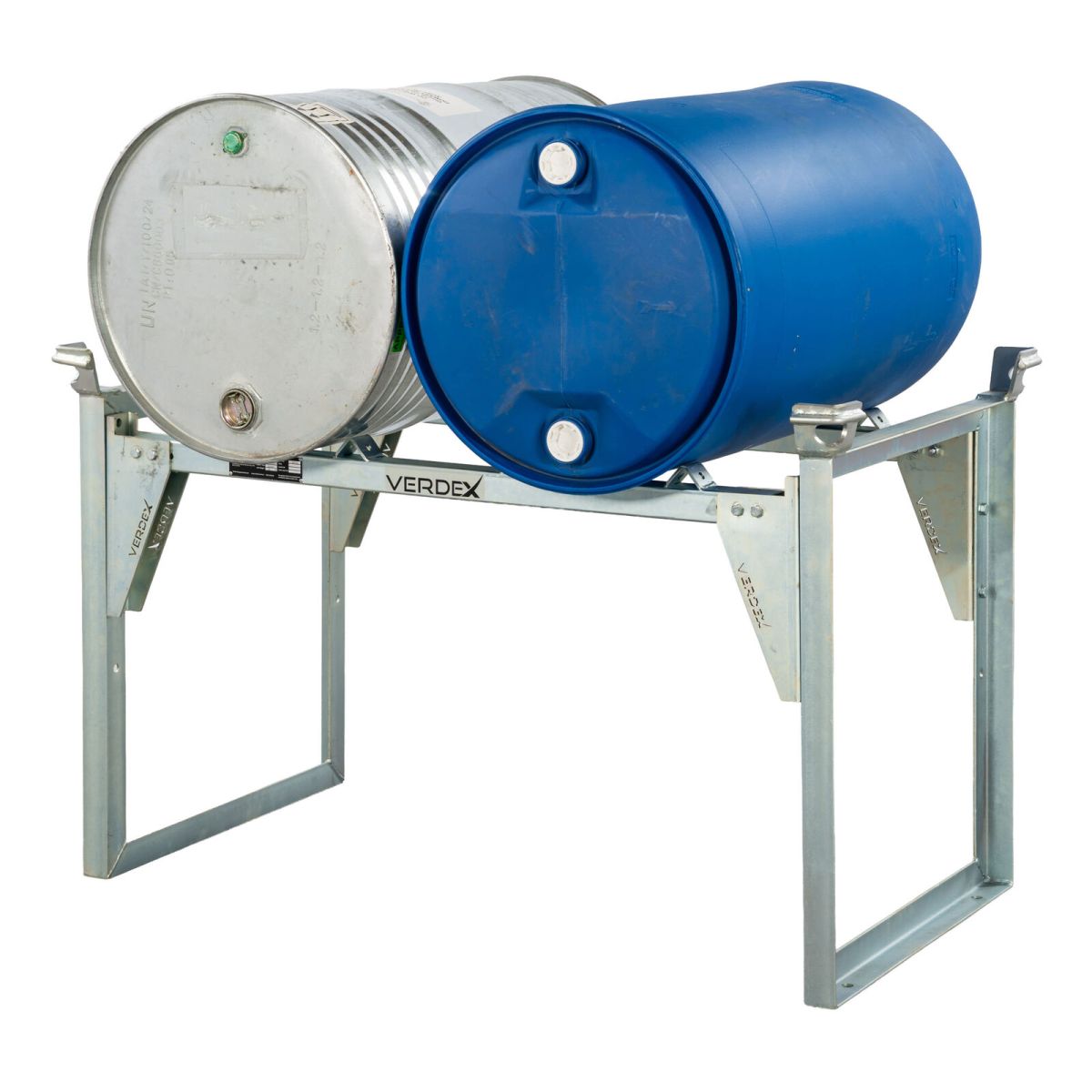
For drum storage, solutions such as the Stackable Drum Rack – 2 Drums allow warehouses to safely utilise vertical space, reducing floor congestion while keeping hazardous or heavy drums securely stored and accessible.
2. Product Damage and Replacement Costs
Unsafe stacking, damaged pallets, or substandard shelving can lead to crushed or unstable loads. Each damaged product costs more than its replacement value; it represents wasted labour, time, and customer trust.
Using stillage cages, pallet racking, and protective barriers helps secure goods, maintain quality, and eliminate damage-related losses.
3. Workplace Injuries and Compensation Claims
Manual handling injuries remain one of the leading causes of lost time in Australian warehouses. Workers lifting, reaching, or climbing to access poorly stored stock face higher risks of strains and falls.
According to Safe Work Australia, a serious manual handling injury can cost more than $50,000 in medical, compensation, and downtime expenses. Equipment such as lift tables, trolleys, and scissor lifts dramatically reduces these risks while improving task efficiency.
Verdex works closely with Australian businesses to address these risks through safer handling solutions, as explored in our article on how Verdex is helping reduce workplace strain and prevent hazards in Australia.
4. Equipment Damage and Repairs
Forklifts and pallet jacks navigating through tight or cluttered spaces frequently collide with racks, walls, or inventory. Repairs and replacements can quickly add up, not to mention the downtime when key equipment is out of service.
Clear pathways and correctly positioned barriers protect both infrastructure and vehicles, ensuring smoother operations and fewer accidents.
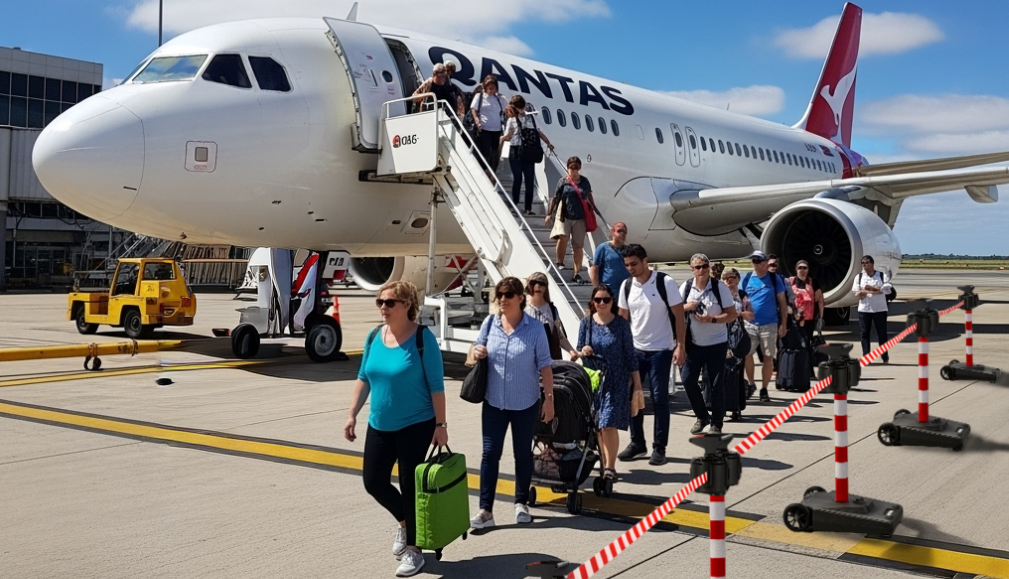
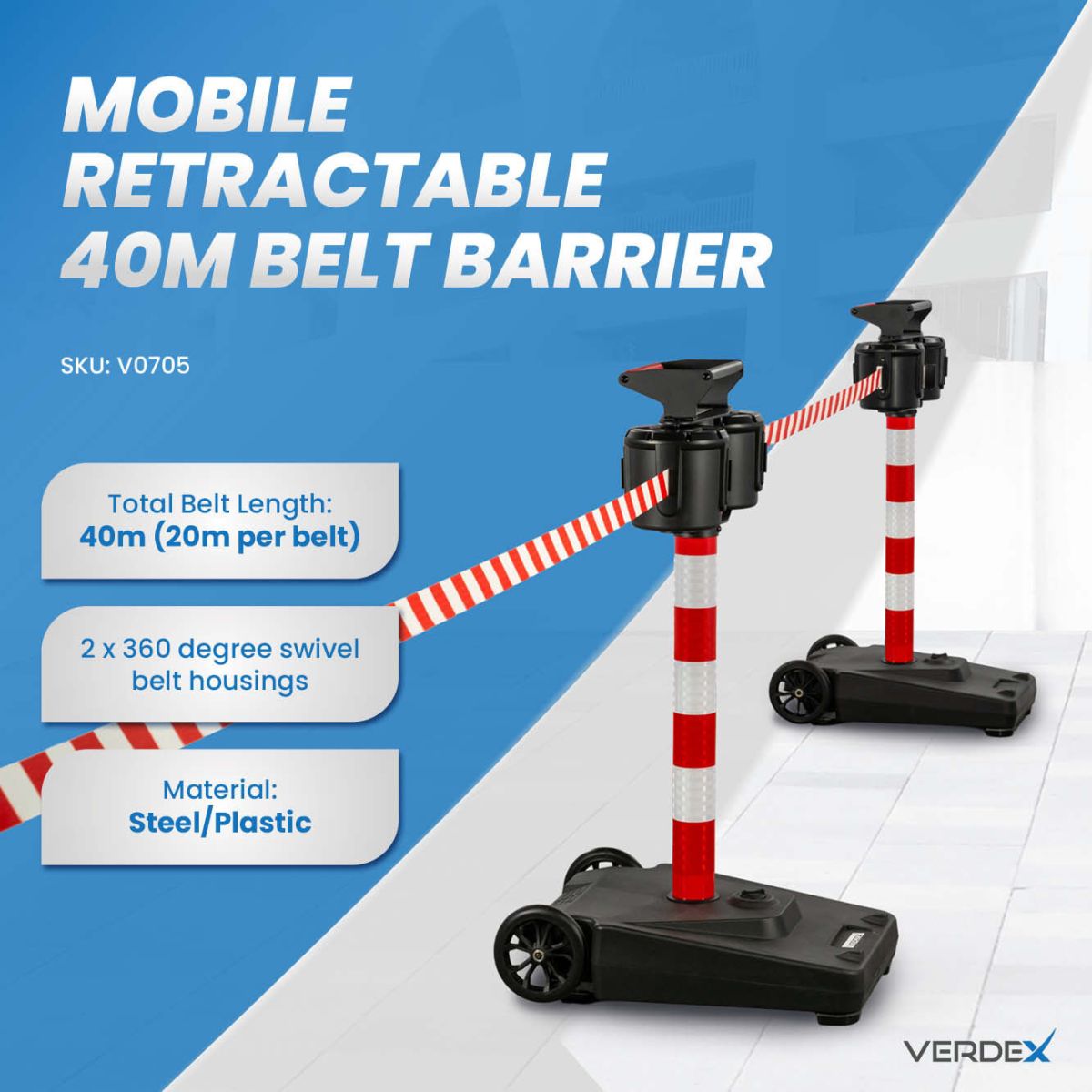
Traffic management tools such as the Mobile Retractable 40m Belt Barrier help define clear pedestrian and vehicle zones, reducing collision risks and protecting racking, equipment, and infrastructure in high-traffic warehouse areas.
5. Slower Throughput and Labour Inefficiency
When workers spend more time locating items, detouring around clutter, or waiting for access to materials, productivity drops. Even a few minutes lost per task compounds into hours of paid labour wasted every day.
By implementing conveyors, mobile trolleys, and organised storage layouts, warehouses can shorten handling times and increase throughput without adding staff.
Hidden Costs of Inefficient Storage
These indirect costs are often overlooked but can be just as damaging to profitability and reputation.
6. Lost Productivity Opportunities
When teams constantly deal with clutter or inefficient systems, they have less time to focus on process improvement or quality control. Supervisors spend hours managing bottlenecks instead of streamlining operations.
Efficient handling systems free up time for higher-value work, allowing teams to focus on improvement rather than maintenance.
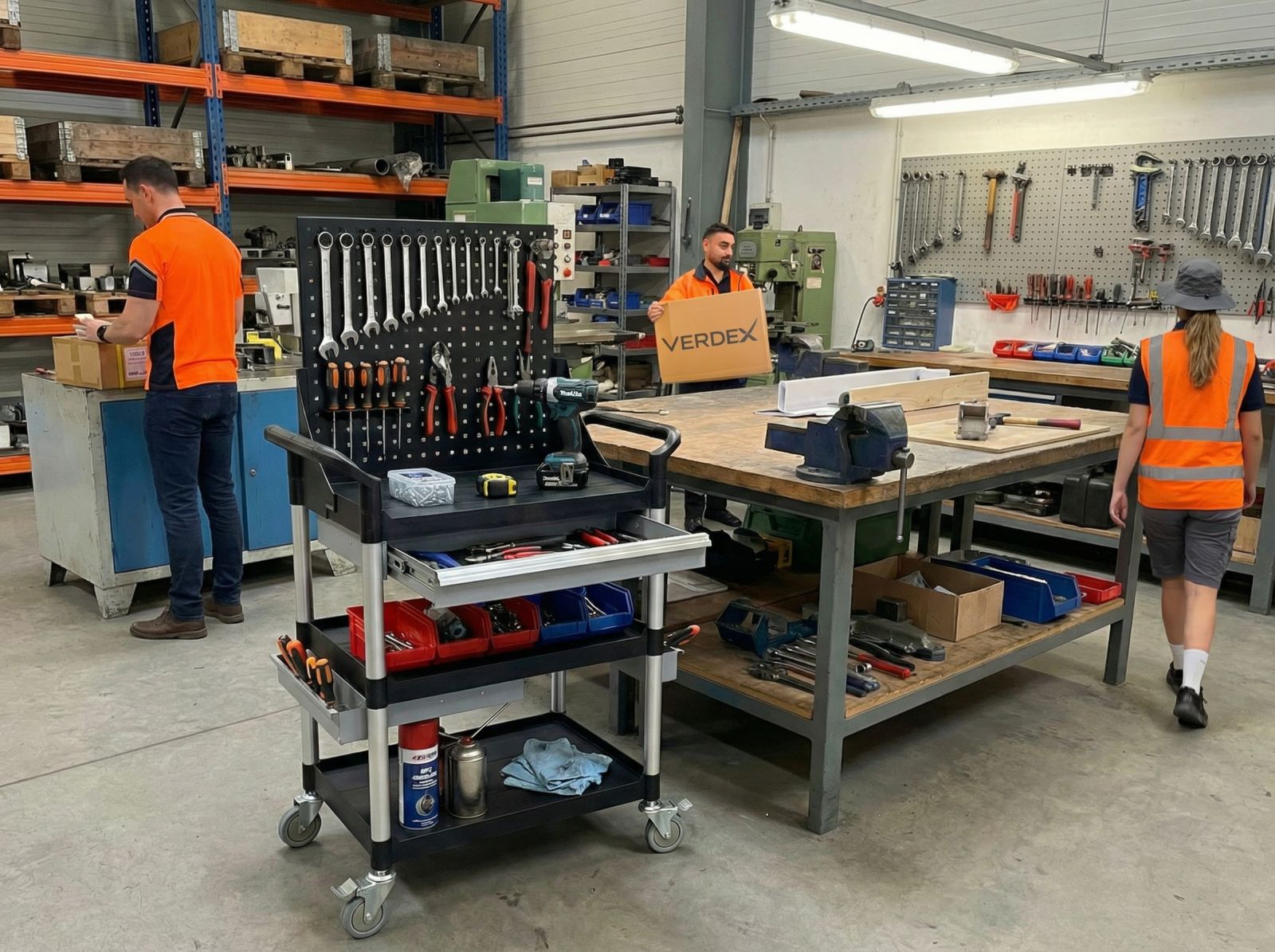
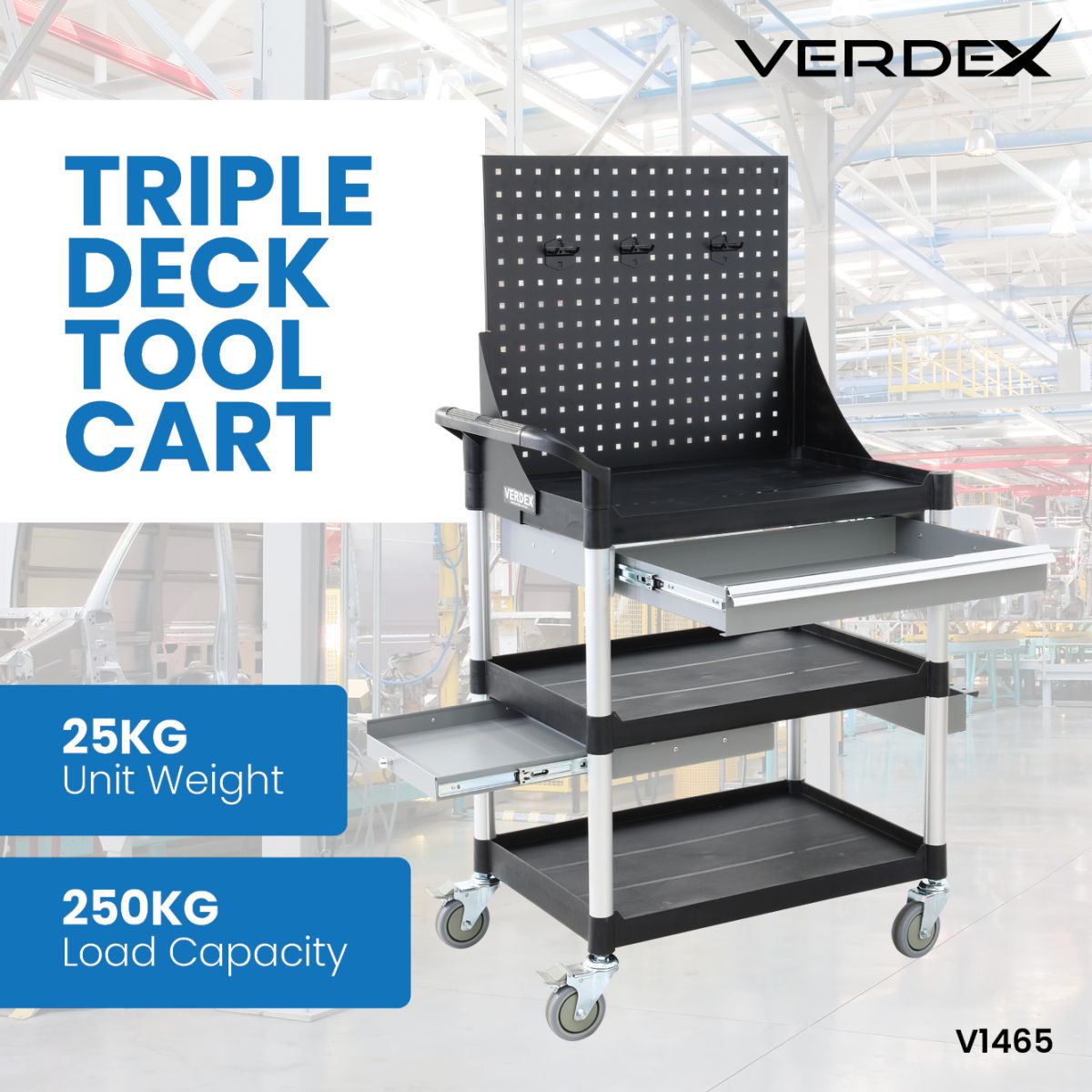
Mobile workstation solutions such as the Triple Deck Tool Cart keep tools and materials organised and close to the task, reducing wasted movement and helping teams maintain momentum without constant interruptions.
7. Reduced Employee Morale and Retention
Working in a disorganised, unsafe, or cramped environment wears people down. Fatigue, frustration, and the constant stress of managing chaos lead to low morale and higher turnover.
A tidy, well-equipped workplace sends the opposite message. It shows workers that safety and efficiency are priorities, which improves engagement and retention.
8. Inventory Inaccuracy and Stock Losses
Poor organisation often leads to misplaced or double-counted stock. Errors in picking or dispatching create confusion, customer complaints, and wasted resources.
Accurate storage systems and clear labelling, combined with stillage cages and racking designed for accessibility, improve visibility and inventory control.
9. Customer Dissatisfaction and Brand Damage
Late deliveries, incomplete orders, and damaged goods directly impact customer confidence. Once reliability is lost, contracts and repeat business follow.
Modern handling equipment helps ensure orders are fulfilled accurately and on time, protecting your brand’s reputation.
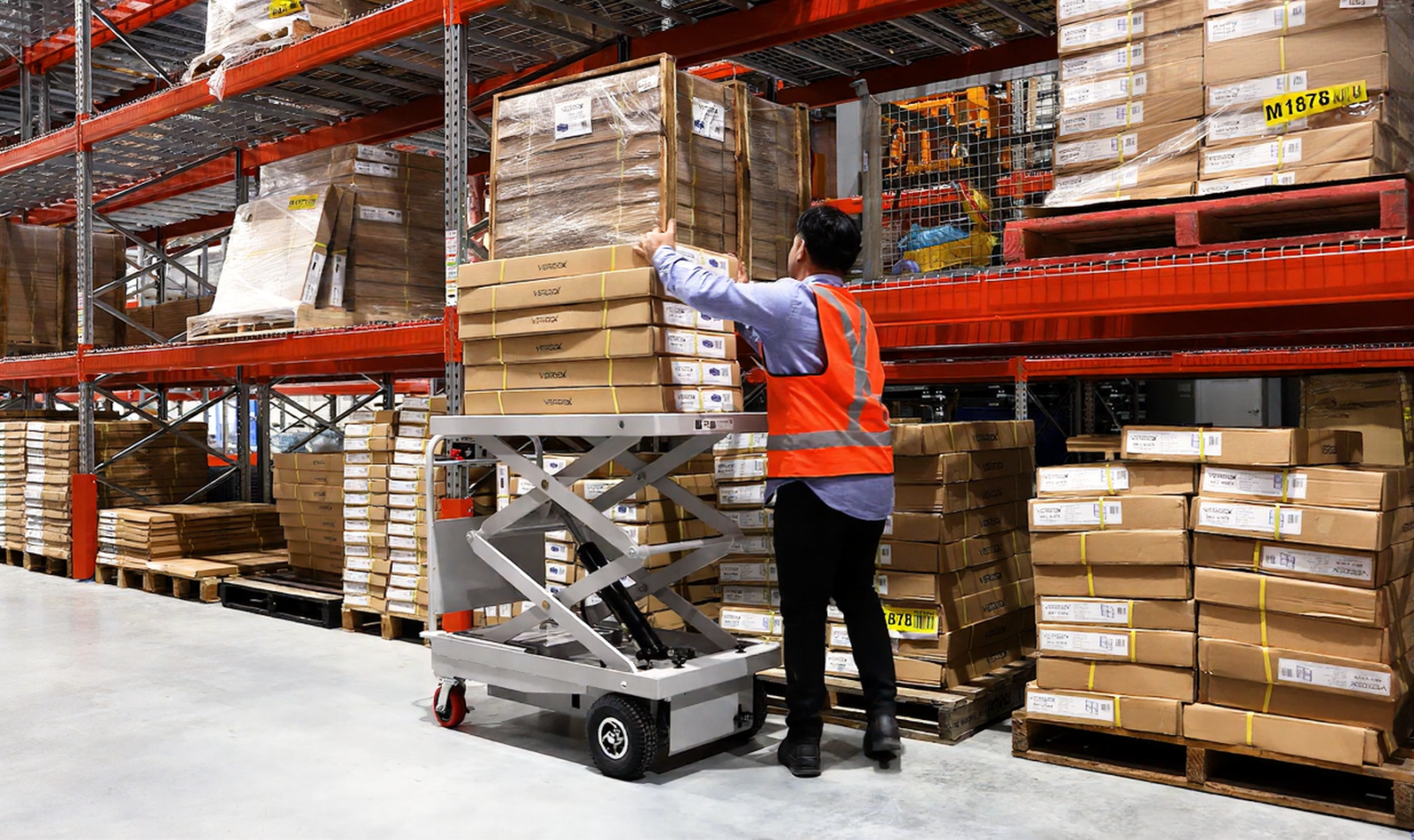
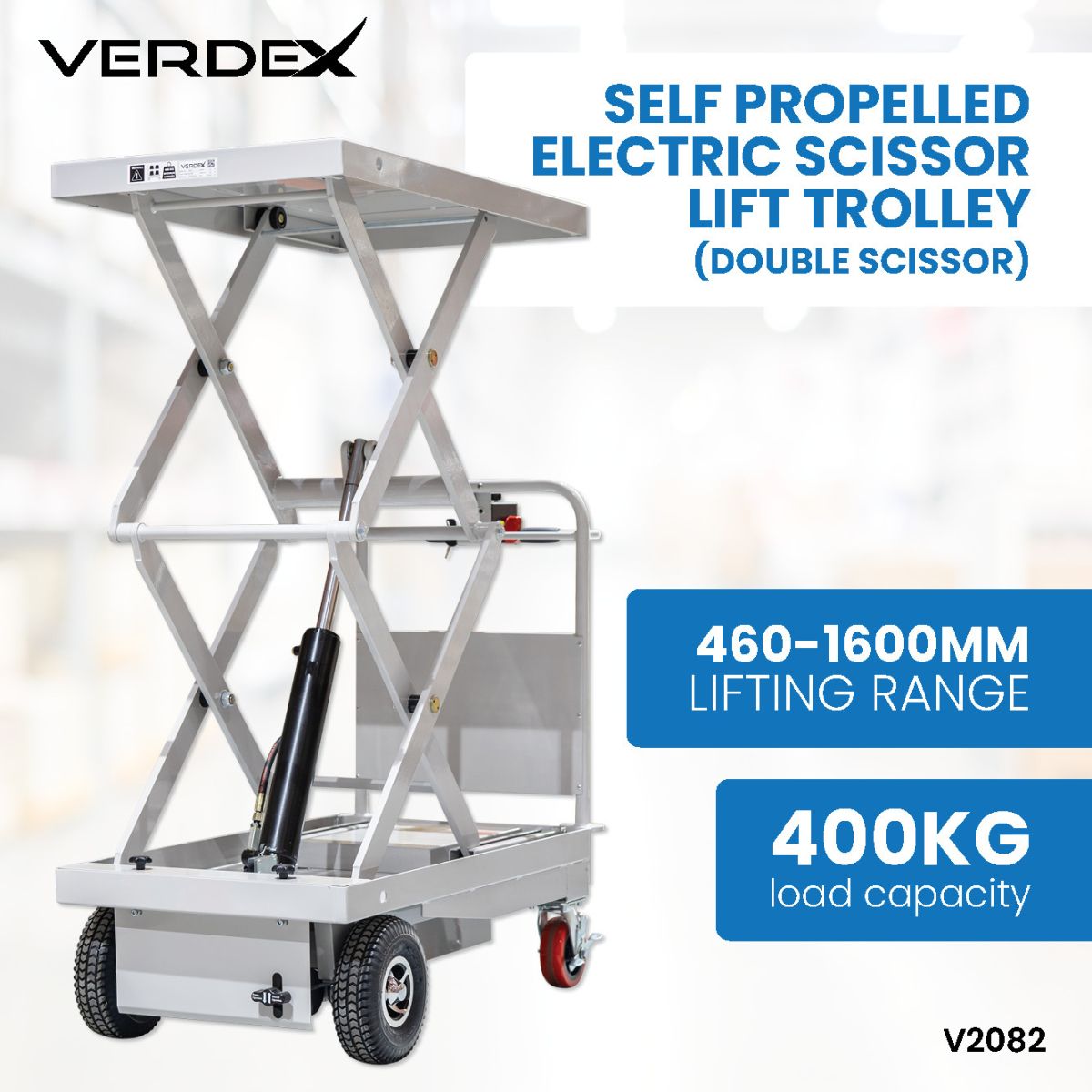
Equipment such as the Self Propelled Electric Scissor Lift Trolley (Double Scissor) allows loads to be positioned safely and precisely at the correct working height, reducing handling delays and helping orders move through the warehouse accurately and on schedule.
10. WHS Compliance Risks
Blocked walkways, overloaded racks, or unstable stacking are not just dangerous; they breach WHS obligations. A single non-compliance event can lead to fines, increased insurance premiums, and reputational harm.
Proper handling and storage systems ensure your warehouse layout meets Australian Standards and keeps your workforce safe.
The Payback: How Equipment Pays for Itself
The combined impact of these tangible and hidden costs can quietly consume up to a quarter of a warehouse’s operating budget. The good news is that the right material handling equipment can quickly offset those losses.
Investing in structured systems such as:
-
Adjustable racking and shelving to maximise vertical capacity
-
Stillage cages and pallets for safe, stackable storage
-
Lift tables, scissor lifts, and trolleys to reduce manual strain
-
Safety barriers and bollards to protect infrastructure and people
-
Conveyors or roller systems to move goods efficiently
Systems such as Electric Expandable Conveyors – 610mm (Daisy Chainable) allow goods to flow efficiently between zones, cutting labour time and congestion while adapting quickly to fluctuating demand.
These upgrades deliver immediate improvements in space use, safety, and throughput. In many cases, the cost savings in labour, injury reduction, and damage prevention mean the equipment pays for itself within months.
By transforming storage from a cost centre into an efficiency asset, businesses can achieve sustainable productivity gains and maintain compliance with WHS regulations.
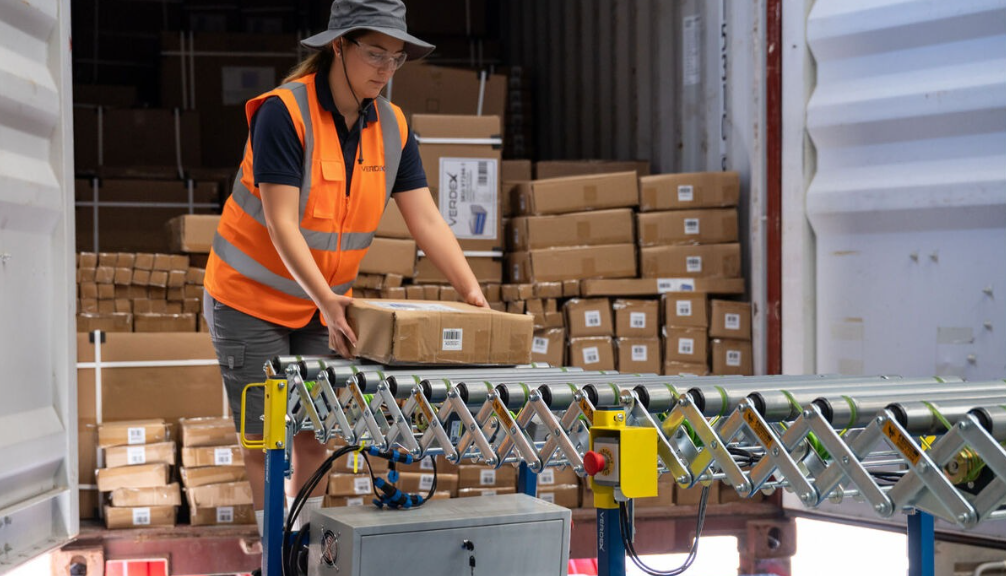 Female warehouse retail specialist placing boxed goods on Electric Expandable Conveyor ↗
.jpg) V3039: Electric Expandable Conveyors - 610mm (Daisy Chainable) ↗
V3039: Electric Expandable Conveyors - 610mm (Daisy Chainable) ↗
Why Investing in Equipment Is a Strategic Decision
Some operators still see material handling equipment as an expense rather than an investment. But the truth is, every dollar spent on improving storage efficiency directly reduces future costs.
Better organisation leads to:
-
Higher productivity through faster movement and retrieval of stock
-
Improved safety with fewer injuries and compensation claims
-
Better space utilisation that avoids expansion or relocation costs
-
Enhanced accuracy with fewer picking and dispatch errors
-
Greater morale from a safer, cleaner, and more professional environment
In short, modern materials handling systems don’t just improve operations; they future-proof them.
Create a Smarter, Safer Warehouse with Verdex
At Verdex, we understand that efficiency begins with structure. As a trusted Australian supplier of warehouse and materials handling equipment, we help businesses build safer, more productive operations through practical, reliable solutions.
Our extensive range includes:
-
Racking and shelving systems for maximising space
-
Stillage cages and storage pallets for safe bulk storage
-
Lifting tables, pallet jacks, and scissor lifts for manual handling safety
-
Barriers, bollards, and signage for improved protection and compliance
We deliver across Australia, offering:
-
A Price Beat Guarantee for unbeatable value
-
Fast nationwide shipping and reliable stock availability
-
Australian Standards compliance for all major products
-
Expert support from a locally based team that understands warehouse challenges
When you choose Verdex, you are not just buying equipment. You are investing in a safer, smarter, and more efficient operation that pays for itself many times over.