Login / Register






 Trolleys & Hand Trucks
 Cage Trolleys
 Cleaning Carts & Trolleys
 Construction Trolleys
 Custom Trolleys
 Hand Trucks & Dollies
 Laundry/Linen Trolleys
 Lifting Trolleys
 Order Picking Trolleys
 Panel Cart Trolleys
 Platform Trolleys
 Powered Trolleys
 Shelf & Tiered Trolleys
 Shopping Trolleys
 Stainless Steel Trolleys
 Tool Trolleys
 Utility & Service Carts
 Lifting & Handling Equipment
 Forklift Attachments
 Jib Attachments
 Lifting Hoists & Pallet Hooks Accessories
 Load Skates & Tow Tugs
 Manual Stackers & Lifters
 Pallet Jacks
 Pallet Lifters
 Pallet Rotators & Dispenser
 Powered Pallet Trucks & Electric Lifters
 Scissor Lift Trolleys and Tables
 Conveyor Equipment
 Conveyor Frames & Stands
 Roller & Skate Conveyors
 Ladders & Access Equipment
 Container & Yard Ramps
 Ladders & Step Stools
 Work Platforms & Crane Cages
 Drum Handling Equipment
 Drum Storage & Bunding
 Drum Trolleys & Lifters
 Forklift Drum Handling
 Waste Handling & Bins
 Bin Lifters & Tippers
 Plastic Waste & Wheelie Bins
 Steel Waste & Tipping Bins
 Waste Carts
 Dangerous Goods Storage & Spillage
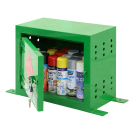 Aerosol Cans Storage Cages
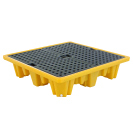 Bunded Pallets & Storage
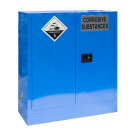 Corrosive Goods Storage Cabinets
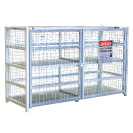 DG Storage & Trolleys
 Flammable Liquid Cabinets
 Forklift Gas Storage Cages
 Gas Cylinder Storage Bays
 Site Storage
 Spill Kits
 Shelving & Storage Equipment
 Stillage & Transport Cages
 750 Series Cage Configurations
 Heavy Duty Cabinets
 Heavy Duty Shelving
 Mega Bins & Pallets
 Packing & Workbenches
 Parts Trays & Stor-Pak Bins
 Pegboard & Louvre Panels
 Plastic Bins & Crates
 Plastic Handling Solutions Bins
 Plastic Pallets
 Stack & Nest Bins
 Pallet Racking Accessories
 Workplace Equipment
 Modular Workbenches
 Electric Height-Adjustable Workbenches
 Floor Matting
 General Workplace Equipment
 Industrial Weighing Scales
 Packaging Machinery
 Stationery Cupboards
 Storage and Stillage Cages
 Tool Trolleys
 Tooling Cabinets
 Workshop Fans and Coolers
 Safety Barriers, PPE & Signage
 Modular Safety Fence System
 Barriers & Bollards
 First Aid Equipment
 Gloves, Knives and PPE
 Signage
 Cleaning & Site Supplies
 Cleaning Equipment
 Cleaning Trolleys
 Rubbish Bins
 Signs & Traffic Supplies
 Construction Equipment
 Construction Trolleys
 Waste Handling
 General Site Equipment
 Concrete Equipment
 Site Storage
 Lifting Equipment
 Verdex Specials
How to Regain Control of Unorganised Worksites with Reliable Material Handling Equipment
Date Posted:15 December 2025
Take back control of cluttered, inefficient worksites with the material handling systems proven to boost safety and productivity. Discover how the right equipment can eliminate delays, reduce injuries, and keep operations running smoothly.
Verdex Insights: At a Glance
-
The Challenge: Many Australian worksites gradually lose control of their layout as clutter, manual handling, and poor storage systems slow productivity and increase safety risks. Disorganisation leads to blocked aisles, misplaced materials, rising injury rates, and costly WHS compliance issues.
-
The Insight: Most worksite inefficiencies stem from relying on manual labour or outdated methods instead of structured material handling systems. When tools like trolleys, lift tables, stillage cages, and conveyors are missing, workers compensate with unsafe lifting, excessive movement, and inconsistent housekeeping. Restoring order begins with replacing manual strain with reliable handling equipment.
-
The Verdex Solution: Verdex supplies durable, WHS-compliant material handling equipment that brings structure back to busy worksites. Our range of equipment helps businesses reduce clutter, improve safety, and create predictable, efficient workflows. With expert advice and fast nationwide delivery, we support safer, more organised, and more productive worksites across Australia.
How to Regain Control of Unorganised Worksites with Reliable Material Handling Equipment
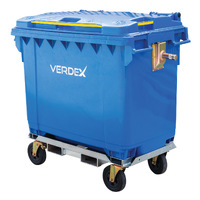
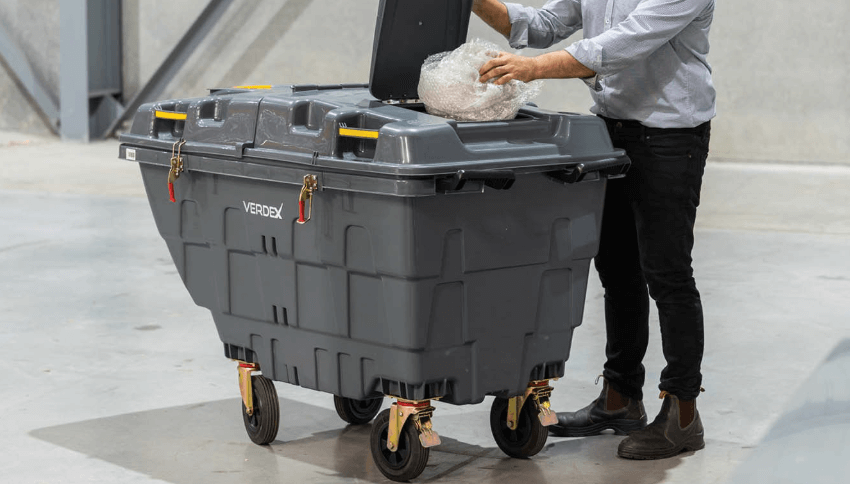
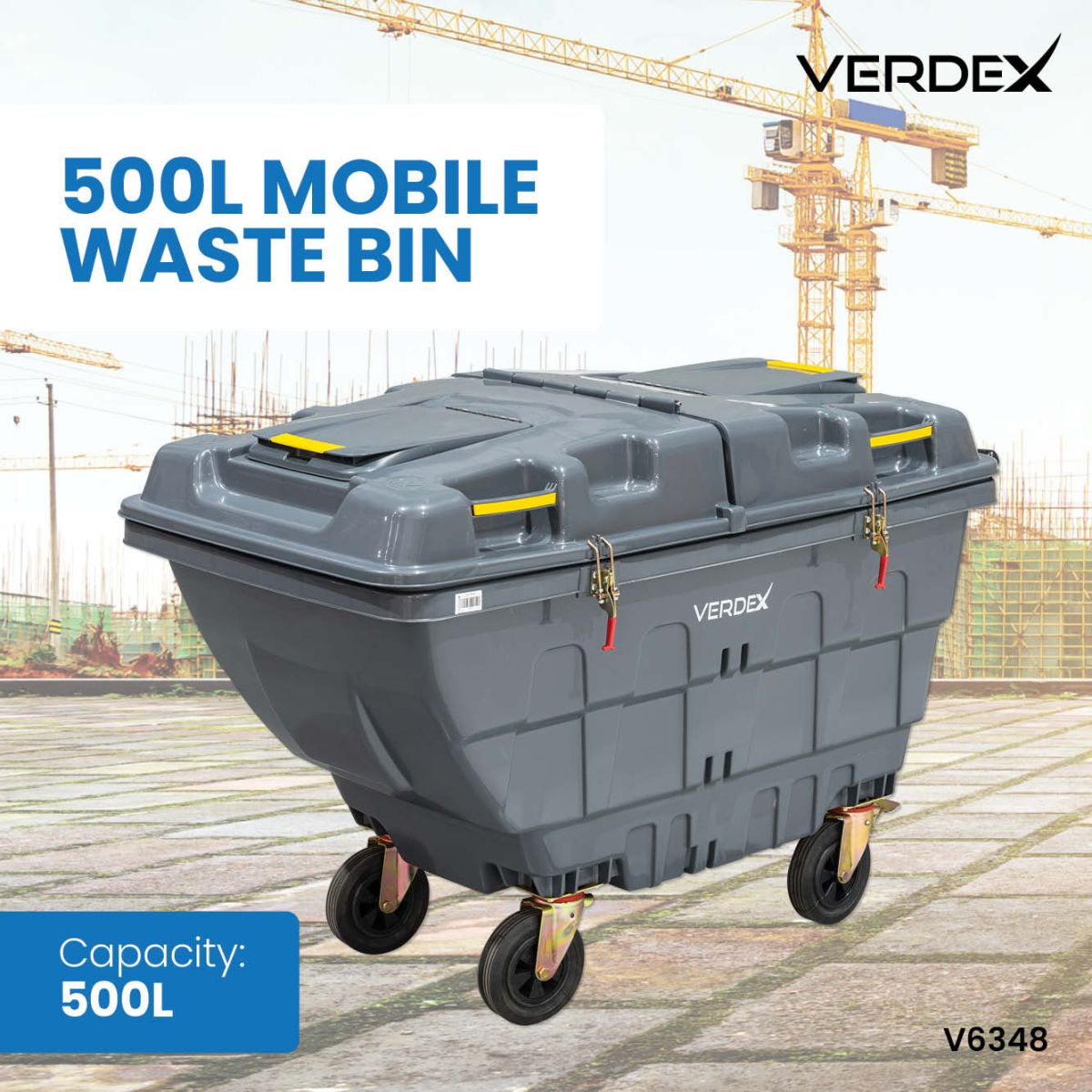
In many Australian worksites, warehouses, and factories, disorganisation does not happen overnight. It builds up gradually. A tool left out after a long shift, a pallet stored in the wrong place, or waste that is not cleared straight away. Before long, clutter begins to take over. High-capacity waste solutions, such as our Mobile Waste Bin – 500L, help prevent this early clutter from spreading across work areas.
Materials end up scattered, aisles become blocked, and productivity starts to slip. Workers spend valuable time searching for the right tools or moving stock that should already be in place. What begins as a small inconvenience soon becomes a major efficiency and safety issue.
This loss of control often comes down to one thing: inefficient material handling. Relying on manual labour or outdated equipment instead of structured, reliable systems leads to disorganisation, injury risks, and wasted effort. With the right material handling equipment, workplaces can reclaim order, improve safety, and restore productivity.
Why Worksite Organisation Matters for Safety and Efficiency
A well-organised worksite is not just about appearance; it is about performance and protection. When materials and tools are stored correctly, everything has a defined place and work can flow smoothly.
Clear pathways allow safer movement for workers and forklifts. Tools kept in designated areas reduce downtime and prevent damage. Waste is removed efficiently, preventing hazards before they develop.
Disorganisation, on the other hand, introduces risk at every turn. Workers lifting heavy items by hand or squeezing through cluttered aisles are more likely to sustain strains, slips, or crush injuries. Goods stored improperly can topple, spill, or be damaged.
Maintaining order directly supports WHS compliance, as Safe Work Australia emphasises structured workspaces and mechanical aids to minimise manual handling injuries. In short, good organisation protects both people and profits.
Common Causes of Disorganisation in Australian Worksites
Even the most efficient operations can become disorganised over time. Growth, staff turnover, and changing inventory often contribute to the problem. Some of the most common causes include:
-
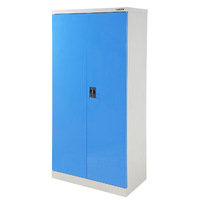
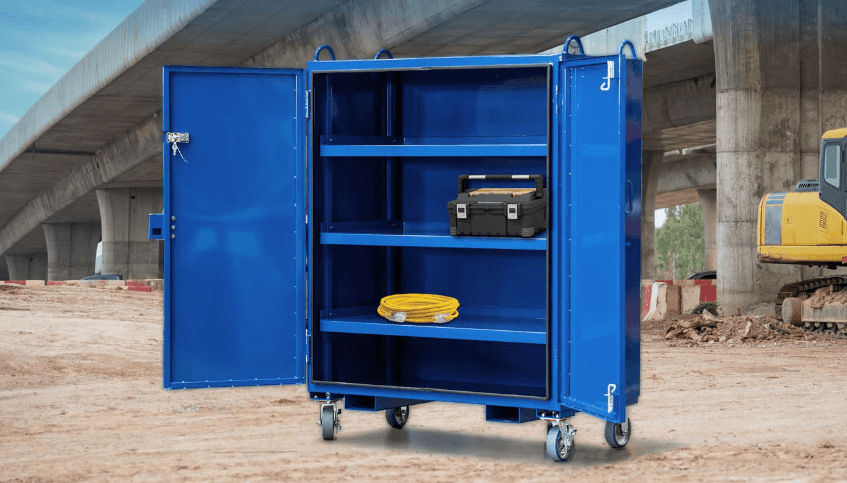
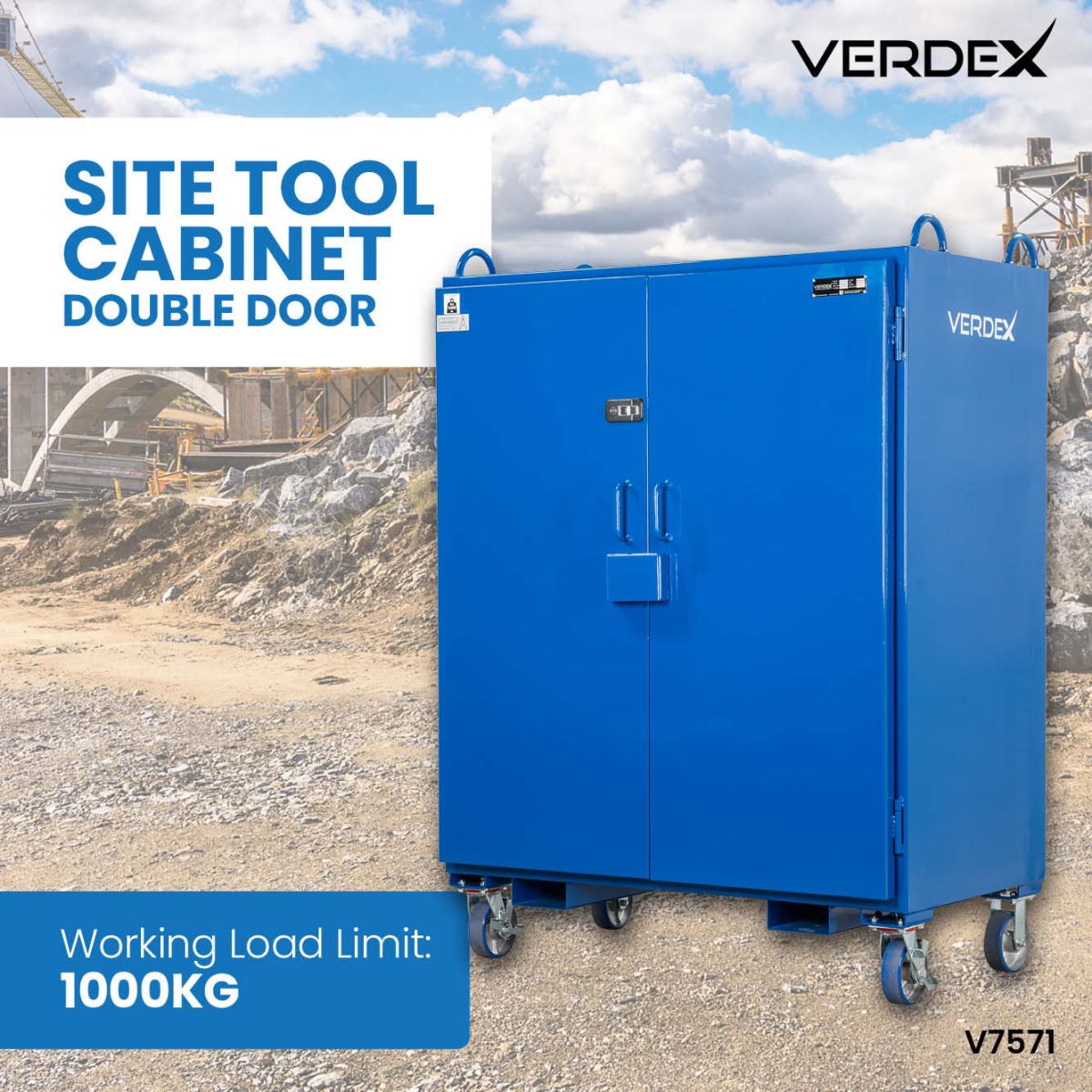
Lack of proper storage systems, with materials piled wherever space is available rather than in designated zones. Secure storage options such as the Site Tool Cabinet – Double Door help keep tools and equipment contained, reducing clutter and improving site organisation.
-
Heavy reliance on manual handling, where workers lift or move items without the right trolleys, lifts, or conveyors.
-
Poor worksite layout, with frequently used items stored too far from work areas.
-
Insufficient waste management systems that cannot keep up with production volumes.
-
Inconsistent housekeeping routines that allow clutter to build over time.
Recognising these issues is the first step towards solving them. By addressing the underlying causes rather than simply tidying up, sites can achieve lasting improvements in organisation and workflow.
The Hidden Costs of a Messy or Cluttered Workplace
A disorganised worksite is not just unsightly; it is expensive. Every misplaced item, blocked aisle, or inefficient lift adds to operating costs in ways that often go unnoticed.
1. Lost Productivity
When workers spend time searching for tools or moving obstacles, output slows. Over a year, those lost minutes add up to hours of wasted labour.
2. Higher Injury Rates
Cluttered worksites are breeding grounds for slips, trips, and strains. Each incident costs time, money, and sometimes livelihoods.
3. Damaged Goods and Equipment
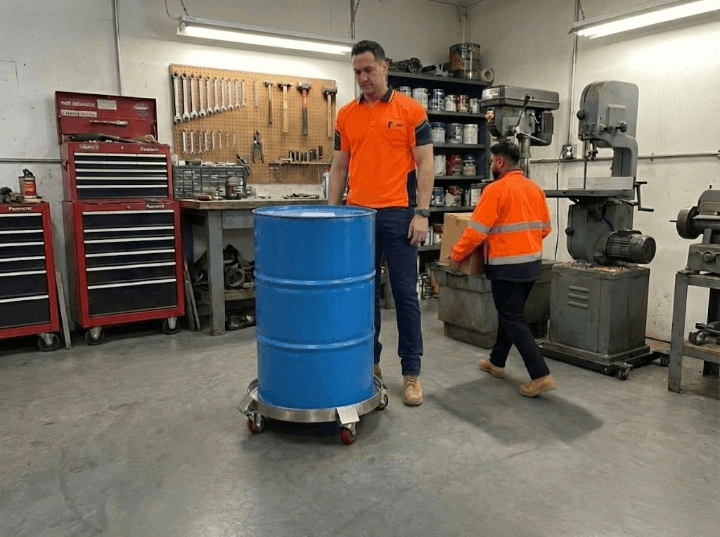
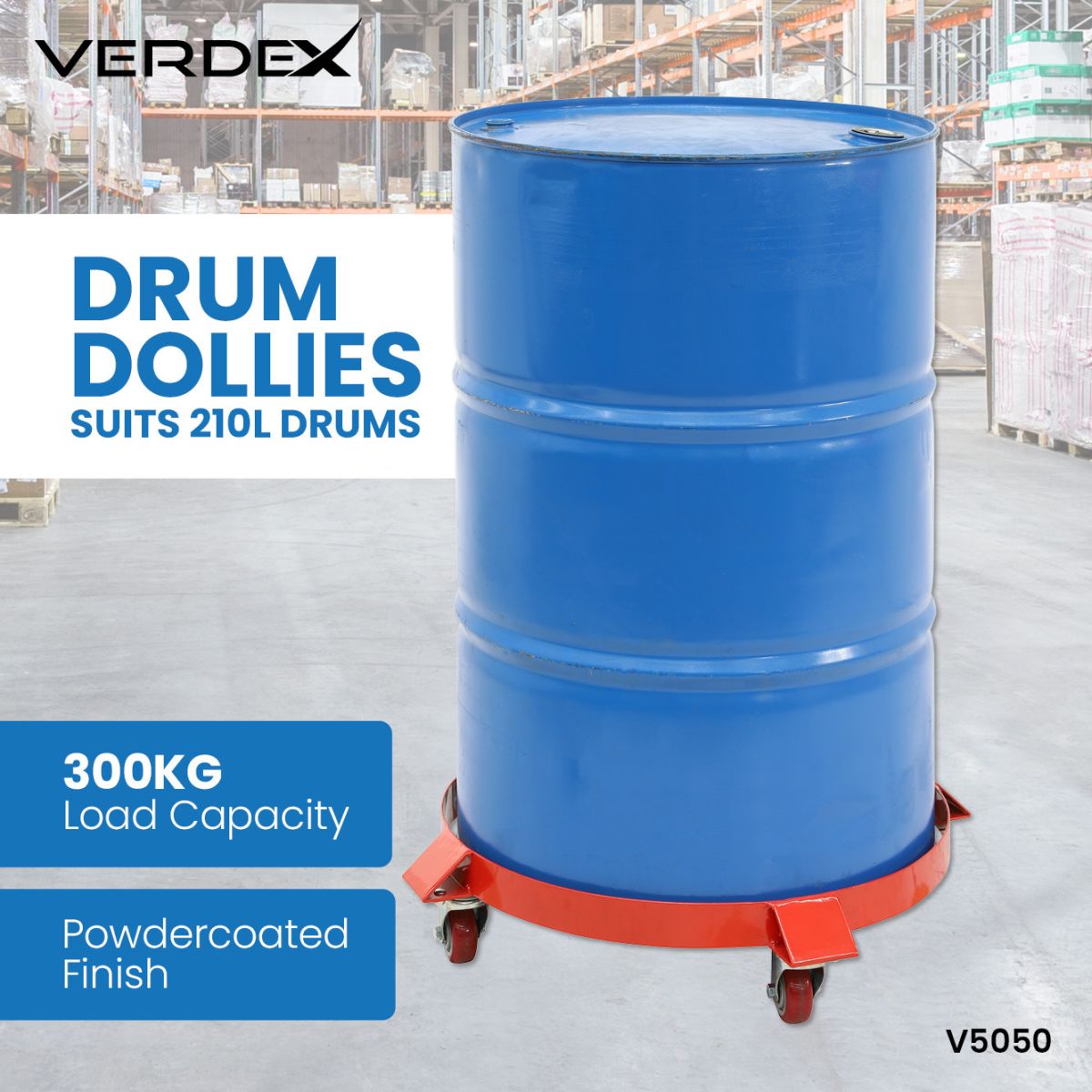
Stacking materials unsafely or using under-rated equipment increases the chance of breakage or contamination. Purpose-built handling tools such as Drum Dollies help workers move heavy drums safely and reduce the risk of drops, spills, or product damage.
4. WHS Compliance Risks
Australian safety standards require clear access ways, safe storage, and risk minimisation. Disorganisation makes it harder to stay compliant and can lead to penalties or claims.
5. Lower Staff Morale
Working in a cluttered, inefficient space is frustrating. It signals poor management and often leads to disengagement or high turnover.
The true cost of disorganisation is more than just downtime; it is the erosion of safety, efficiency, and workplace morale.
How Material Handling Equipment Helps Regain Control
Reliable material handling equipment restores structure, reduces manual labour, and keeps worksites running efficiently. Instead of relying on workers to lift, carry, or reposition heavy loads manually, equipment such as trolleys, stillage cages, conveyors, and lifting tables takes on the strain.
This not only prevents injury but also creates a predictable, streamlined workflow. Workers can focus on value-adding tasks instead of unnecessary handling or transport. This aligns closely with the broader principles outlined in our blog on how Verdex is helping reduce workplace strain and prevent hazards across Australia, where the right equipment plays a central role in eliminating manual effort at the source.
With the right handling systems in place, materials move in a logical sequence, storage areas remain tidy, and waste is cleared efficiently. Every piece of equipment plays a role in reinforcing order, improving safety, and supporting smooth operations.
Key Equipment That Improves Worksite Flow and Safety
No two worksites are identical, but most can benefit from a combination of reliable material handling tools:
Trolleys and Platform Carts
Ideal for transporting boxes, tools, or components, trolleys reduce manual carrying and protect workers from strain injuries.
Stillage and Storage Cages
Provide a safe, stackable way to store bulky or loose materials. They prevent clutter, contain stock, and improve visibility across work areas.
Pallet Jacks and Lift Tables
Essential for managing heavy pallets, these tools allow workers to move and raise loads safely, reducing bending, lifting, and twisting.
Conveyors and Rollers
Streamline the movement of goods between areas, reducing manual transport and maintaining workflow consistency.
Waste Handling Bins and Tipping Hoppers
Efficient waste management keeps production areas clean and hazard-free. Bins and hoppers designed for easy movement support recycling and sustainability efforts.
Access Equipment
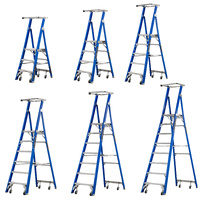
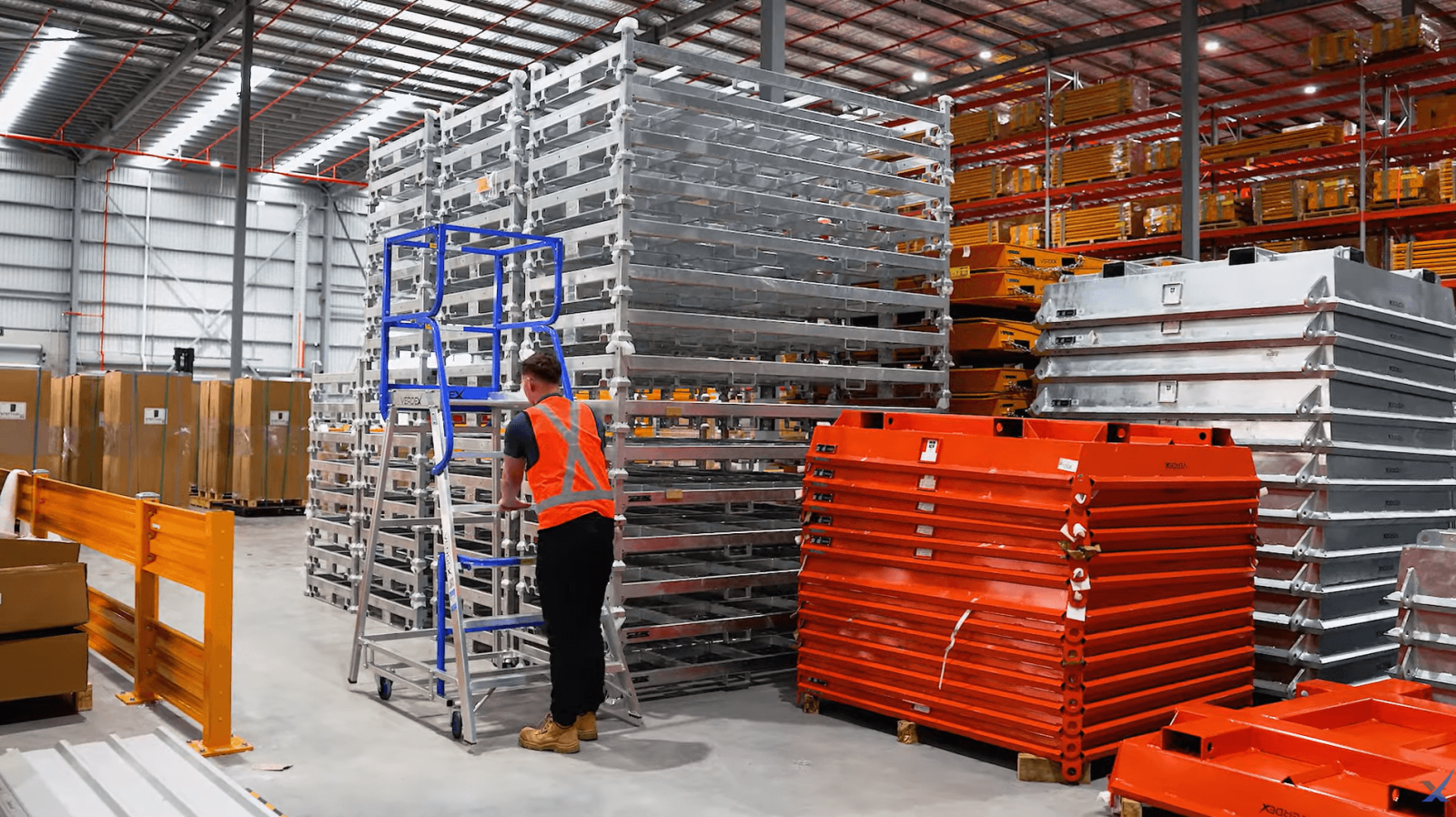
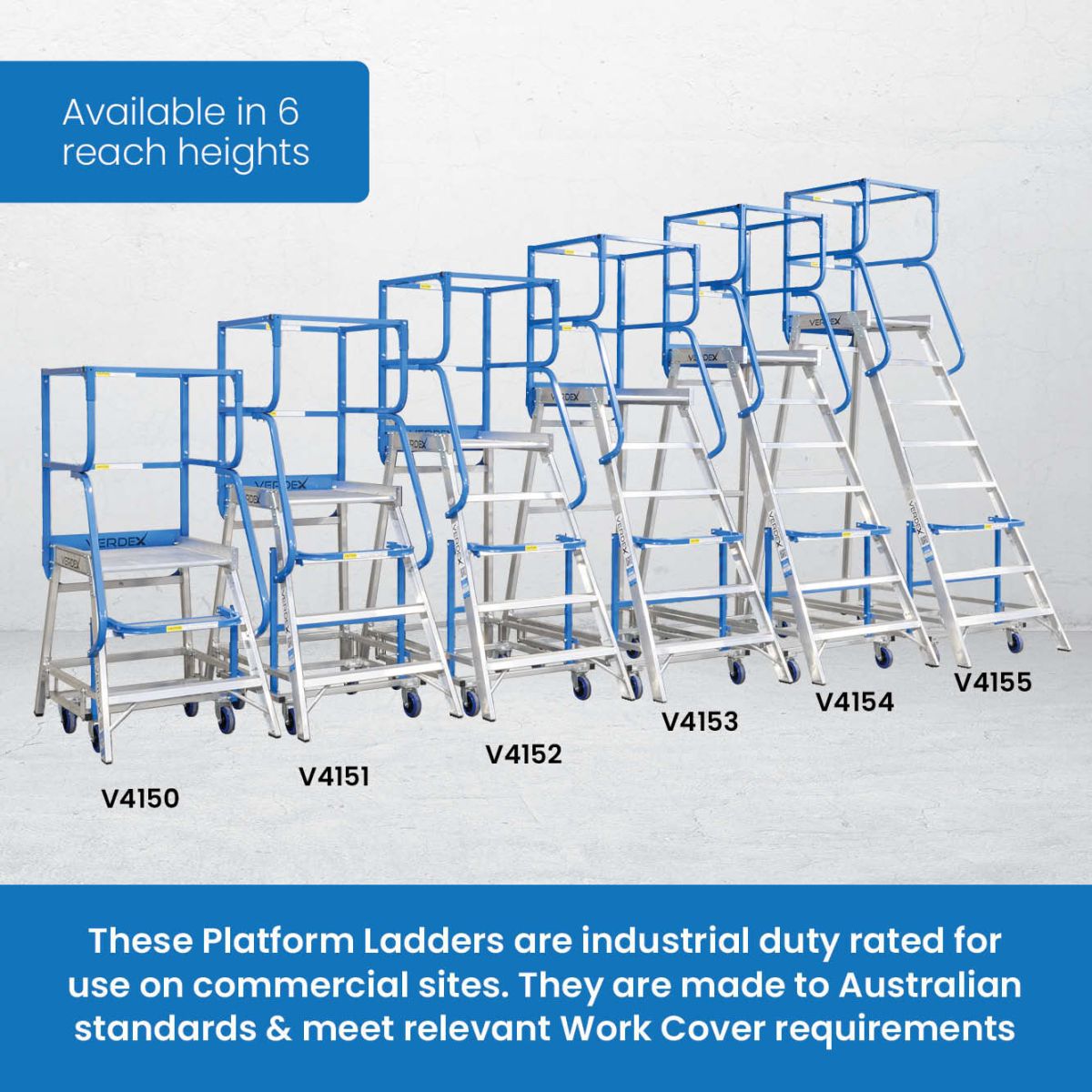
Platforms and mobile ladders provide safe access to elevated storage areas, eliminating unsafe climbing or overreaching. Purpose-built options such as the Verdex Access Platform Ladders offer stable, WHS-compliant elevation for picking, stock checks, or maintenance tasks, helping workers reach height safely and confidently.
Practical Tips for Keeping Industrial Worksites Organised
-
Create dedicated storage zones for specific materials or tools, supported by clear signage.
-
Label cages, bins, and racks so workers know exactly where to return items.
-
Establish daily housekeeping routines to clear waste and reset work areas.
-
Conduct weekly audits to identify inefficiencies or misplaced stock.
-
Train staff regularly on safe handling, storage, and equipment use.
-
Use visual management tools such as colour-coded zones or floor markings to guide workflow.
Building these habits into daily operations helps maintain order and efficiency, even during peak workload periods.
Achieving WHS Compliance Through Better Worksite Organisation
Worksite organisation directly supports WHS compliance. Safe Work Australia outlines the importance of hazard control through layout design, mechanical aids, and clear access. A tidy, well-equipped worksite not only protects workers but also aligns with these safety principles. Regular safety assessments also play a key role, as highlighted in our blog on how often workplace safety inspections should occur, helping businesses stay proactive rather than reactive.
Key WHS requirements supported by structured handling systems include:
-
Safe storage and stacking of materials.
-
Clear and unobstructed access routes.
-
Minimisation of manual handling risks.
-
Proper waste disposal and segregation.
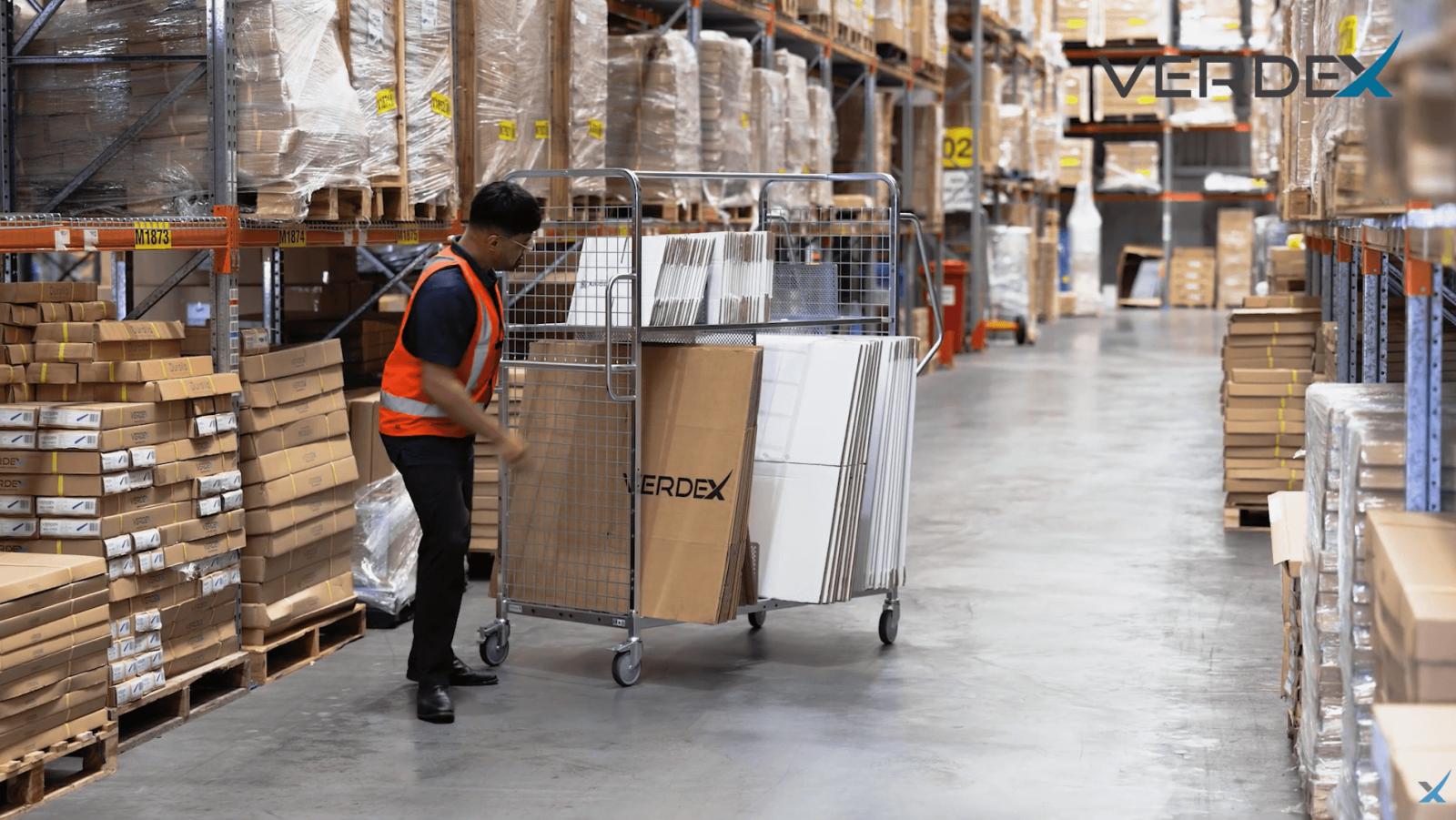
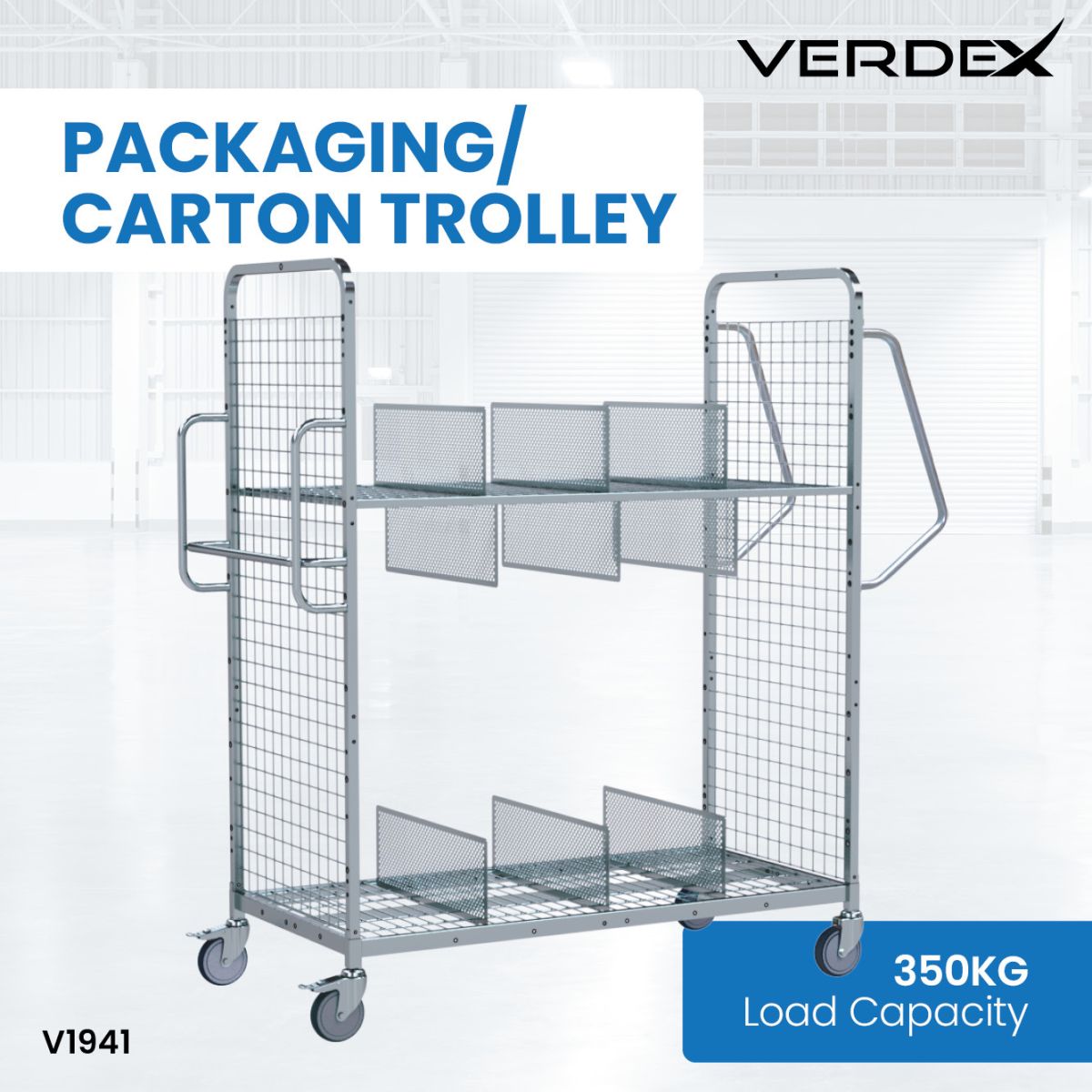
By investing in reliable handling equipment, workplaces demonstrate due diligence, reduce risk, and maintain safer, compliant operations. For example, a Packaging / Carton Trolley helps keep packing areas organised and reduces repetitive lifting, supporting safer workflows and ensuring compliance in busy dispatch or replenishment zones.
Create a Safer, More Efficient Worksite with Verdex Solutions
Regaining control of an unorganised worksite does not require a complete overhaul. It begins with the right equipment. Verdex supplies high-quality, Australian-compliant material handling solutions that help workplaces operate smarter and safer.
The Verdex range includes trolleys, stillage cages, lifting tables, conveyors, and access equipment, all designed for durability, efficiency, and WHS compliance. Whether your goal is to clear clutter, move stock faster, or reduce manual handling risks, Verdex provides the tools to make it happen.
By partnering with Verdex, you get:
-
Equipment compliant with Australian Standards for safe, reliable performance.
-
Fast nationwide delivery across major industrial regions.
-
A Price Beat Guarantee for exceptional value.
-
Expert support from a 100% Australian-owned supplier that understands local workplace challenges.
A well-organised worksite is easier to manage, safer for employees, and more profitable overall. With Verdex, regaining control has never been simpler.