Login / Register








 Trolleys & Hand Trucks
 Cage Trolleys
 Cleaning Carts & Trolleys
 Construction Trolleys
 Custom Trolleys
 Hand Trucks & Dollies
 Laundry/Linen Trolleys
 Lifting Trolleys
 Order Picking Trolleys
 Panel Cart Trolleys
 Platform Trolleys
 Powered Trolleys
 Shelf & Tiered Trolleys
 Shopping Trolleys
 Stainless Steel Trolleys
 Tool Trolleys
 Utility & Service Carts
 Lifting & Handling Equipment
 Forklift Attachments
 Jib Attachments
 Lifting Hoists & Pallet Hooks Accessories
 Load Skates & Tow Tugs
 Manual Stackers & Lifters
 Pallet Jacks
 Pallet Lifters
 Pallet Rotators & Dispenser
 Powered Pallet Trucks & Electric Lifters
 Scissor Lift Trolleys and Tables
 Conveyor Equipment
 Conveyor Frames & Stands
 Roller & Skate Conveyors
 Ladders & Access Equipment
 Container & Yard Ramps
 Ladders & Step Stools
 Work Platforms & Crane Cages
 Drum Handling Equipment
 Drum Storage & Bunding
 Drum Trolleys & Lifters
 Forklift Drum Handling
 Waste Handling & Bins
 Bin Lifters & Tippers
 Plastic Waste & Wheelie Bins
 Steel Waste & Tipping Bins
 Waste Carts
 Dangerous Goods Storage & Spillage
 Aerosol Cans Storage Cages
 Bunded Pallets & Storage
 Corrosive Goods Storage Cabinets
 DG Storage & Trolleys
 Flammable Liquid Cabinets
 Forklift Gas Storage Cages
 Gas Cylinder Storage Bays
 Site Storage
 Spill Kits
 Shelving & Storage Equipment
 Stillage & Transport Cages
 750 Series Cage Configurations
 Heavy Duty Cabinets
 Heavy Duty Shelving
 Mega Bins & Pallets
 Packing & Workbenches
 Parts Trays & Stor-Pak Bins
 Pegboard & Louvre Panels
 Plastic Bins & Crates
 Plastic Handling Solutions Bins
 Plastic Pallets
 Stack & Nest Bins
 Pallet Racking Accessories
 Workplace Equipment
 Modular Workbenches
 Electric Height-Adjustable Workbenches
 Floor Matting
 General Workplace Equipment
 Industrial Weighing Scales
 Packaging Machinery
 Stationery Cupboards
 Storage and Stillage Cages
 Tool Trolleys
 Tooling Cabinets
 Workshop Fans and Coolers
 Safety Barriers, PPE & Signage
 Modular Safety Fence System
 Barriers & Bollards
 First Aid Equipment
 Gloves, Knives and PPE
 Signage
 Cleaning & Site Supplies
 Cleaning Equipment
 Cleaning Trolleys
 Rubbish Bins
 Signs & Traffic Supplies
 Construction Equipment
 Construction Trolleys
 Waste Handling
 General Site Equipment
 Concrete Equipment
 Site Storage
 Lifting Equipment
 Verdex Specials
9 Steps to Consider When Choosing the Right Stillage Cages For Your Business
Date Posted:31 December 2025
Not all stillage cages are built for the same job. Read our 9 steps for considerations that help businesses choose the right cage to improve safety, efficiency, and long-term performance.
Verdex Insights: At a Glance
-
The Challenge: Many businesses choose stillage cages based on price or availability rather than suitability. The wrong cage can lead to overloading, poor space utilisation, manual handling risks, damaged goods, and ongoing inefficiencies across storage and transport operations.
-
The Insight: Not all stillage and transport cages are designed for the same task. Load capacity, size, material, mobility, and handling method all directly impact safety, efficiency, and long-term value. Selecting a cage that aligns with your goods, workflow, and equipment is critical to reducing risk and improving day-to-day operations.
-
The Verdex Solution: Verdex supplies a wide range of industrial-grade stillage cages designed for Australian workplaces. With options for heavy-duty loads, stackable storage, forklift handling, and hygienic environments, Verdex helps businesses choose the right cage for their application, supported by expert advice, WHS-compliant designs, and nationwide delivery.
9 Steps to Consider When Choosing the Right Stillage Cages For Your Business
When it comes to improving your storage and transport operations, choosing the right stillage cage is a crucial decision. These versatile shelving and storage equipment units provide a practical and secure way to handle and move goods efficiently across various industries. Whether you’re in warehousing, retail, manufacturing, or any other field requiring organised storage and smooth transportation, selecting the correct stillage cage can make a significant impact on your business.
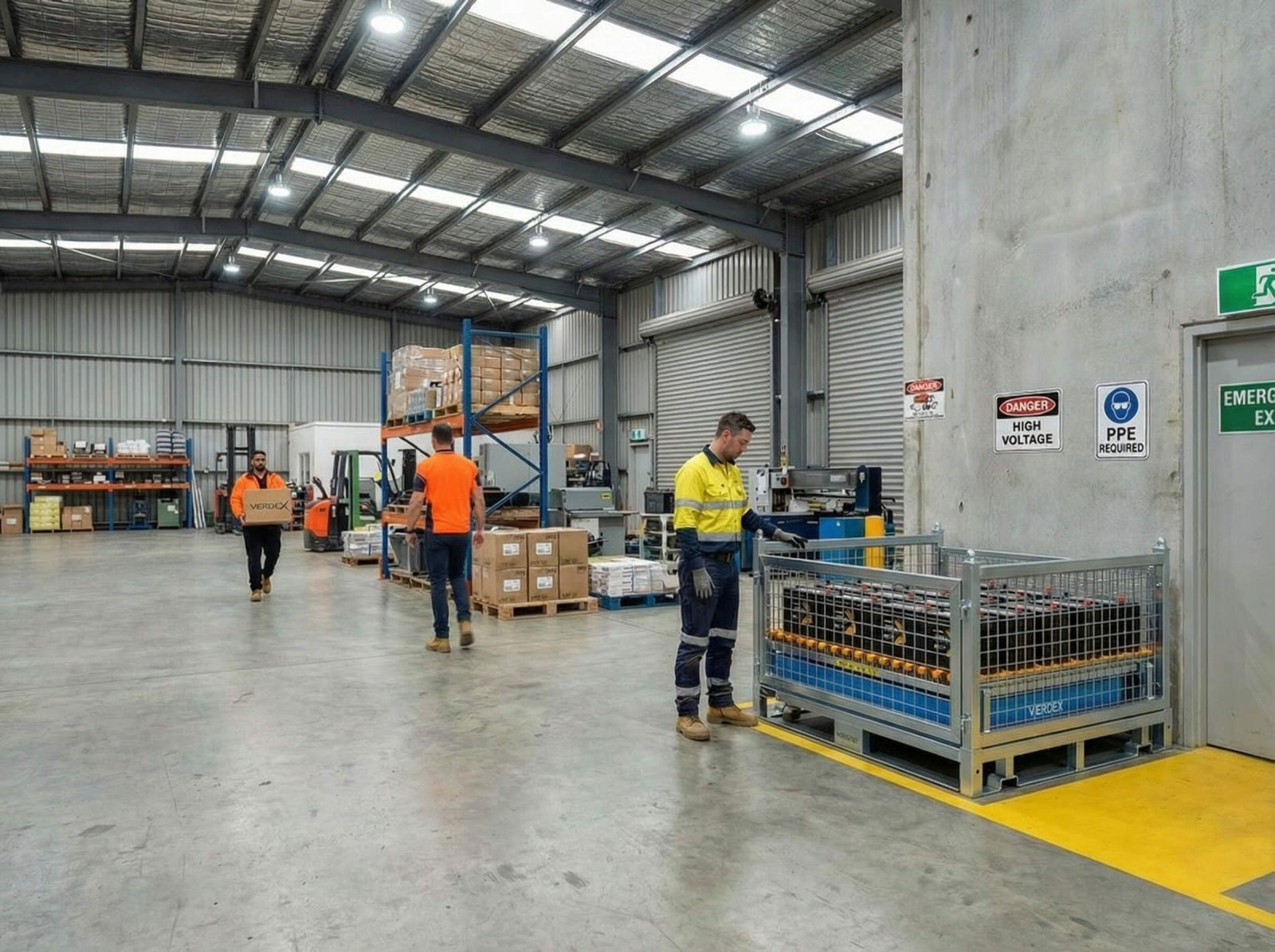
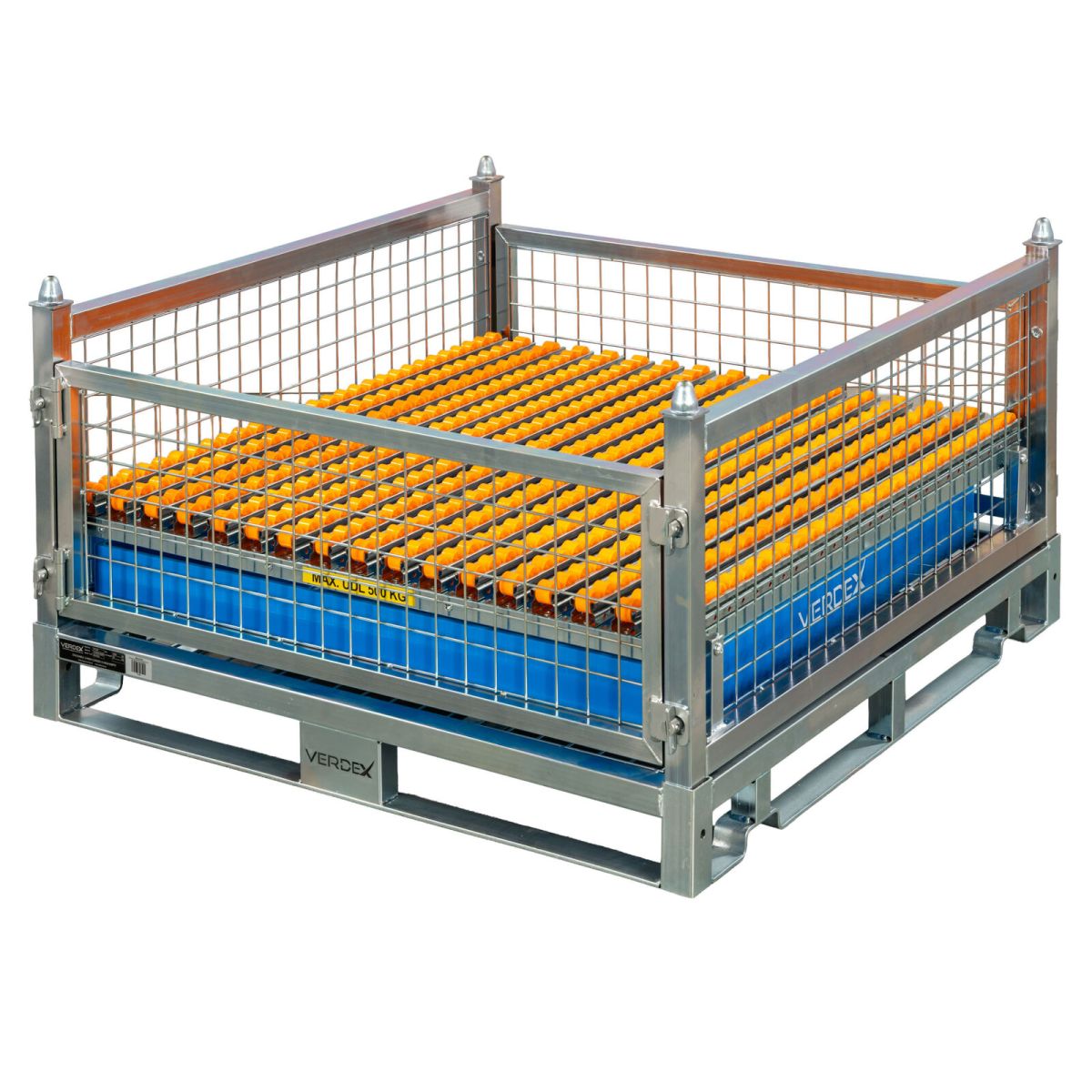
From general-purpose storage cages to specialised solutions such as a Rackable Battery Storage Cage designed for safe, compliant battery handling, selecting the correct stillage cage can make a significant impact on your business.
But with so many options available, how do you choose the right stillage cage for your needs? In this guide, we’ll explore key factors to consider when selecting the perfect stillage cage, and how to ensure it meets your storage and transport requirements.
1. Understand the Purpose of the Stillage Cage
Before diving into specifics, it’s essential to define what you need the stillage cage to do. Stillage cages are primarily designed to:
-
Store and transport goods safely
-
Organise inventory efficiently
-
Protect items from damage during transit
-
Maximise space utilisation
Knowing the primary use of the cage helps narrow down your options. If you need a stillage cage for heavy-duty materials, for example, you’ll need one with a higher load capacity and robust construction. On the other hand, if your primary need is stacking and storing small items in a warehouse, you might opt for a cage with smaller dimensions and more compact features.
For businesses new to stillage systems or reviewing their current setup, it’s helpful to understand What Are Stillage Cages and How Are They Used? before comparing different designs and load requirements.
2. Consider the Load Capacity
One of the most important factors to consider is the load capacity of the stillage cage. The capacity refers to the maximum weight the cage can safely hold. If you're handling heavy materials, such as steel components or construction tools, you need a stillage cage that can bear the weight without compromising its integrity or safety.
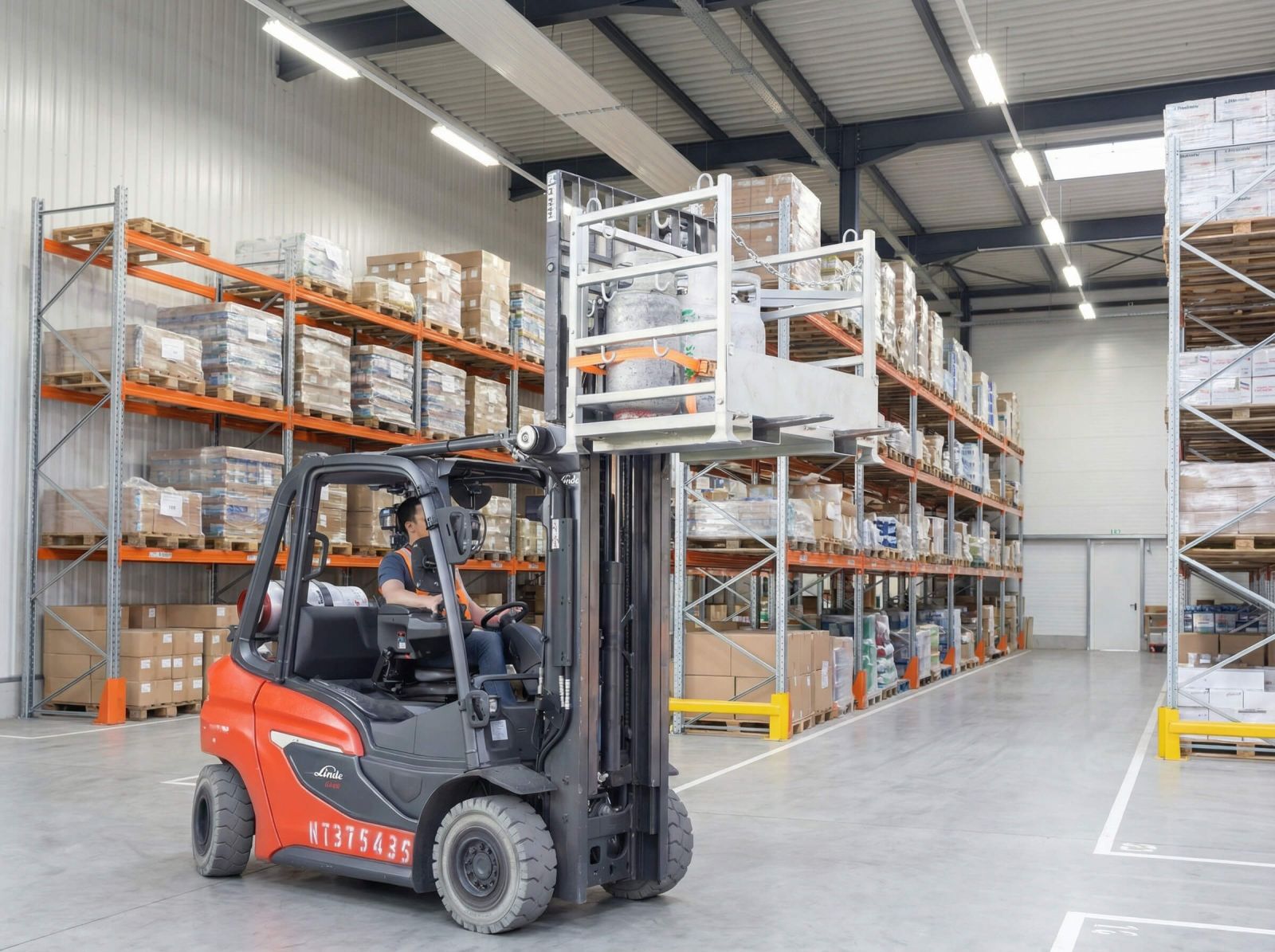
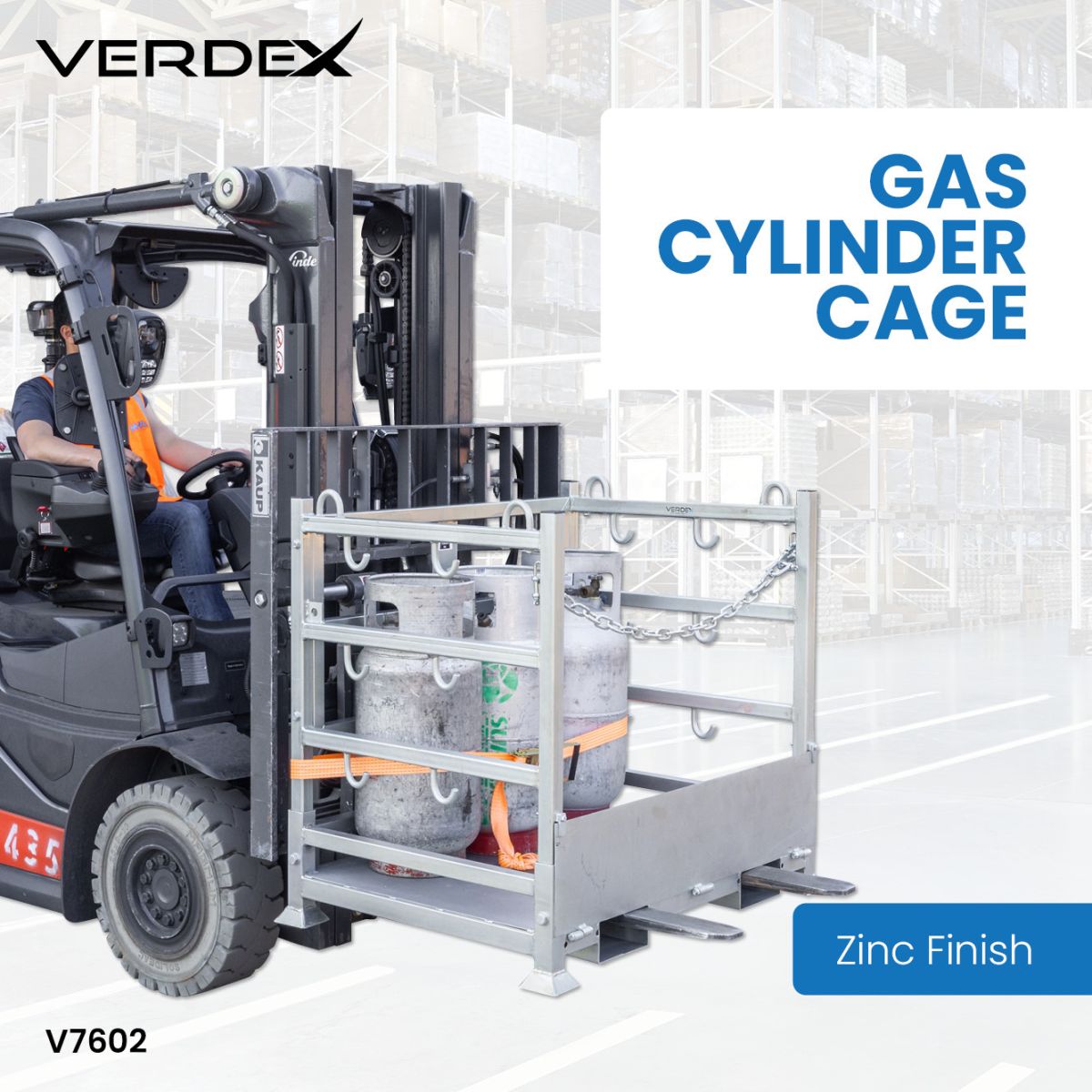
For example, specialised solutions like a Forklift Gas Cylinder Storage Cage are engineered with higher load ratings and reinforced frames to safely store and secure heavy cylinders, preventing tipping, shifting, or structural failure during handling and storage.
Stillage cages come in a range of capacities, typically measured in kilograms. If you're storing or transporting lighter goods, you might opt for a lighter-duty cage. For heavy-duty applications like construction, automotive, or industrial storage, look for a stillage cage with a higher weight tolerance. Always ensure that the stillage cage you choose is rated to carry the type and volume of goods you intend to store or transport.
Load capacity and cage size requirements can vary significantly by application, which is why certain sectors gain more value from stillage systems than others, as outlined in Top 5 Industries That Benefit from Using Stillage Cages.
3. Size and Dimensions
The size of the stillage cage is another critical consideration. It should not only suit your storage space but also match the type of goods you intend to transport or store. Stillage cages come in a variety of sizes, from compact units for small items to larger cages for bulkier materials.
You should measure the available space where you plan to store the stillage cages. Consider whether your storage area has limited vertical or horizontal space and select cages accordingly. If you plan to stack the cages, opt for models that are stackable and have a stable base. This will allow you to optimise vertical storage and make the most of your available space.
Additionally, consider whether the stillage cage will fit onto your transport vehicles or forklifts. The dimensions should be compatible with the equipment you use for moving the cages. If your space or transport requirements are constrained, you may want to select more compact or foldable stillage cages.
4. Material and Durability
The material of the stillage cage plays a major role in its durability and suitability for your specific needs. Stillage cages are commonly made from steel, although they may also come in other materials like plastic or aluminium, depending on the application.
Steel Stillages
Steel is the most common material used in stillage cages due to its strength and durability. Steel cages are ideal for heavy-duty use, as they can withstand the rigours of handling, transportation, and rough environments.
They are resistant to impact, corrosion, and damage, which makes them perfect for industrial, construction, and manufacturing industries.
For larger or bulkier loads, options such as a Double Width Storage Cage (Full Height) provide added capacity and structural strength while maintaining safe containment and stability during storage and forklift handling.
Aluminium Stillages
Aluminium cages are lightweight and corrosion-resistant, making them suitable for environments where weight is a concern, such as in the food or beverage industry. Although they may not be as strong as steel, aluminium cages offer a good balance between strength and weight, ideal for lighter storage and transport needs.
Plastic Stillages
Plastic cages are often used in retail or food industries, where hygiene and ease of cleaning are essential. These cages are less durable than steel or aluminium, but they offer a cost-effective solution for lighter goods that don’t require heavy-duty storage or transport.
When choosing a material, consider factors like durability, weight, exposure to elements, and the type of goods you’ll be handling. A steel stillage cage will typically offer the most robust option, while plastic or aluminium may be more suitable for specific applications.
.jpg)
5. Mobility and Ease of Handling
Stillage cages should be easy to handle and move around, particularly in fast-paced work environments. Look for features that enhance mobility, such as:
-
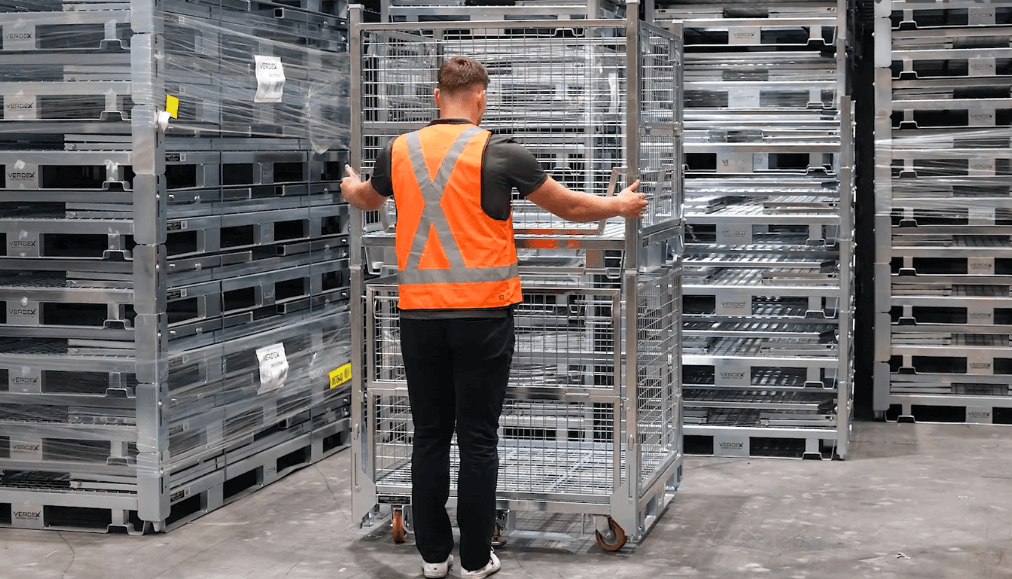
Wheels and Castors: If your operations require frequent movement of stillage cages, opt for models with wheels or castors. These allow for easy manoeuvrability and can be a real time-saver in busy warehouses or retail environments.
-
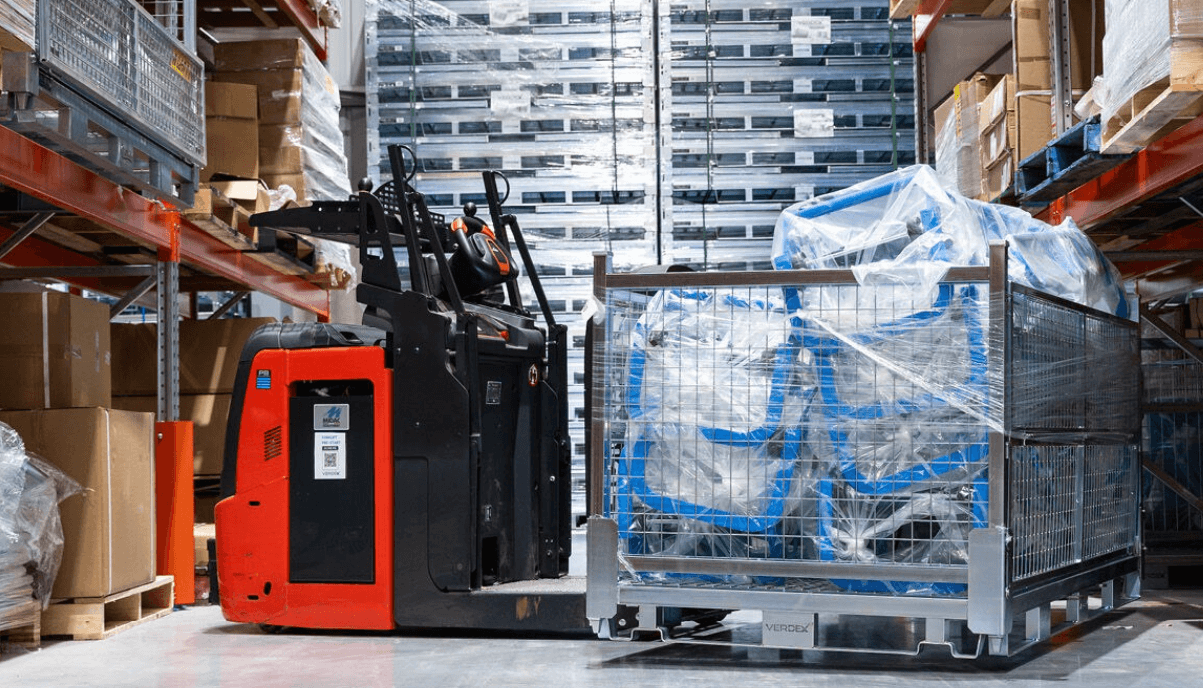
Forklift Compatibility: Many stillage cages are designed to be compatible with forklifts or pallet jacks, making them easier to move and stack. If you use forklifts regularly in your facility, it’s essential to choose a cage with fork openings that align with your equipment.
-
Stacking Features: If space-saving is a priority, look for cages that are stackable. Stackable stillages allow you to optimise vertical storage space, especially in environments where floor space is limited.
In some operations, stillage cages are used alongside fixed storage systems, and understanding How to Choose Between Stillage Cages and Pallet Racking for Your Business can help determine the most efficient layout for your workflow.
6. Security and Protection
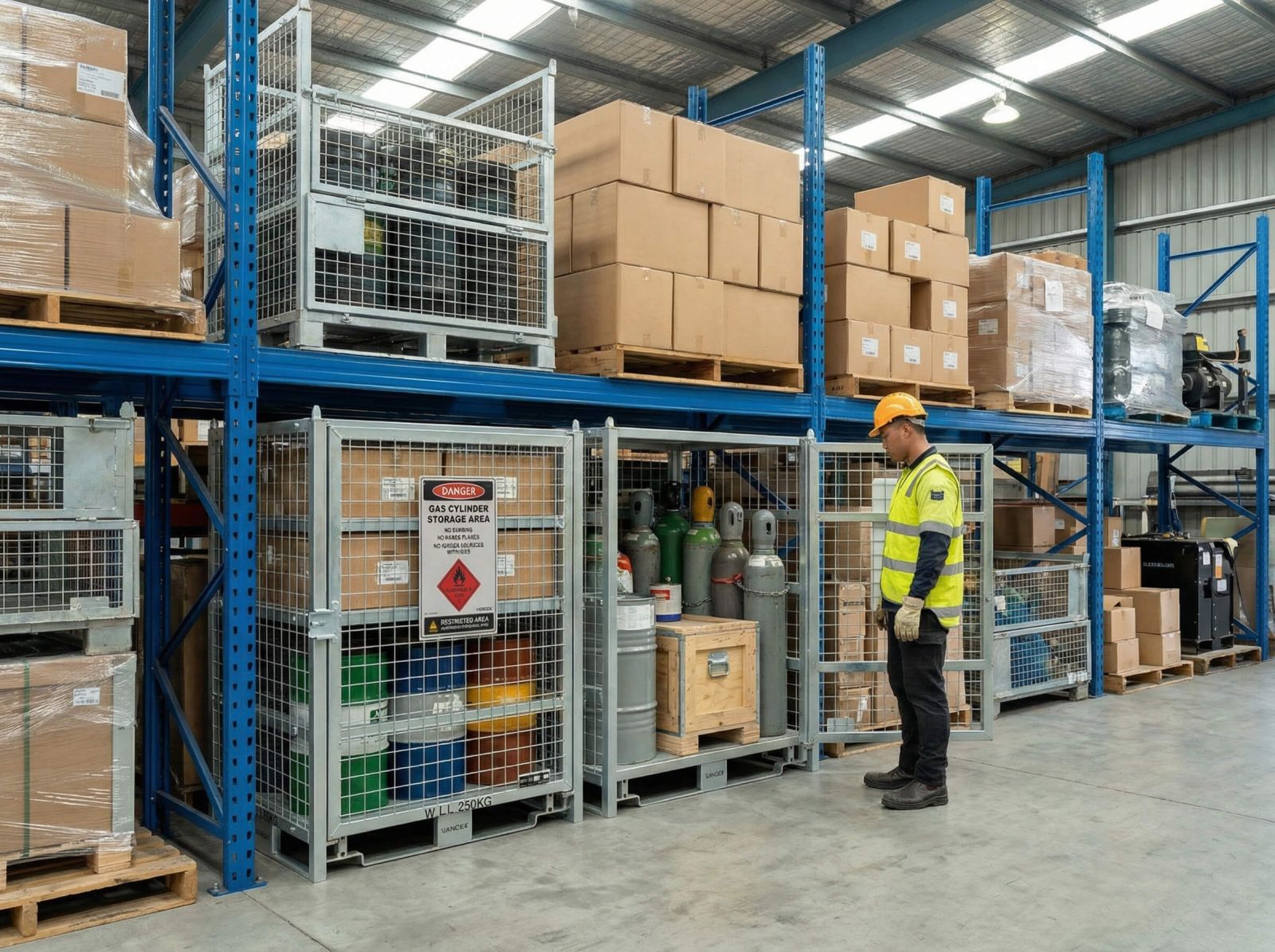
Depending on your industry, security and protection of goods can be a primary concern. Stillage cages with lockable doors or secure latches provide an added layer of protection for your goods. This is particularly important in environments like warehouses, where valuable inventory needs to be kept safe from theft or tampering.
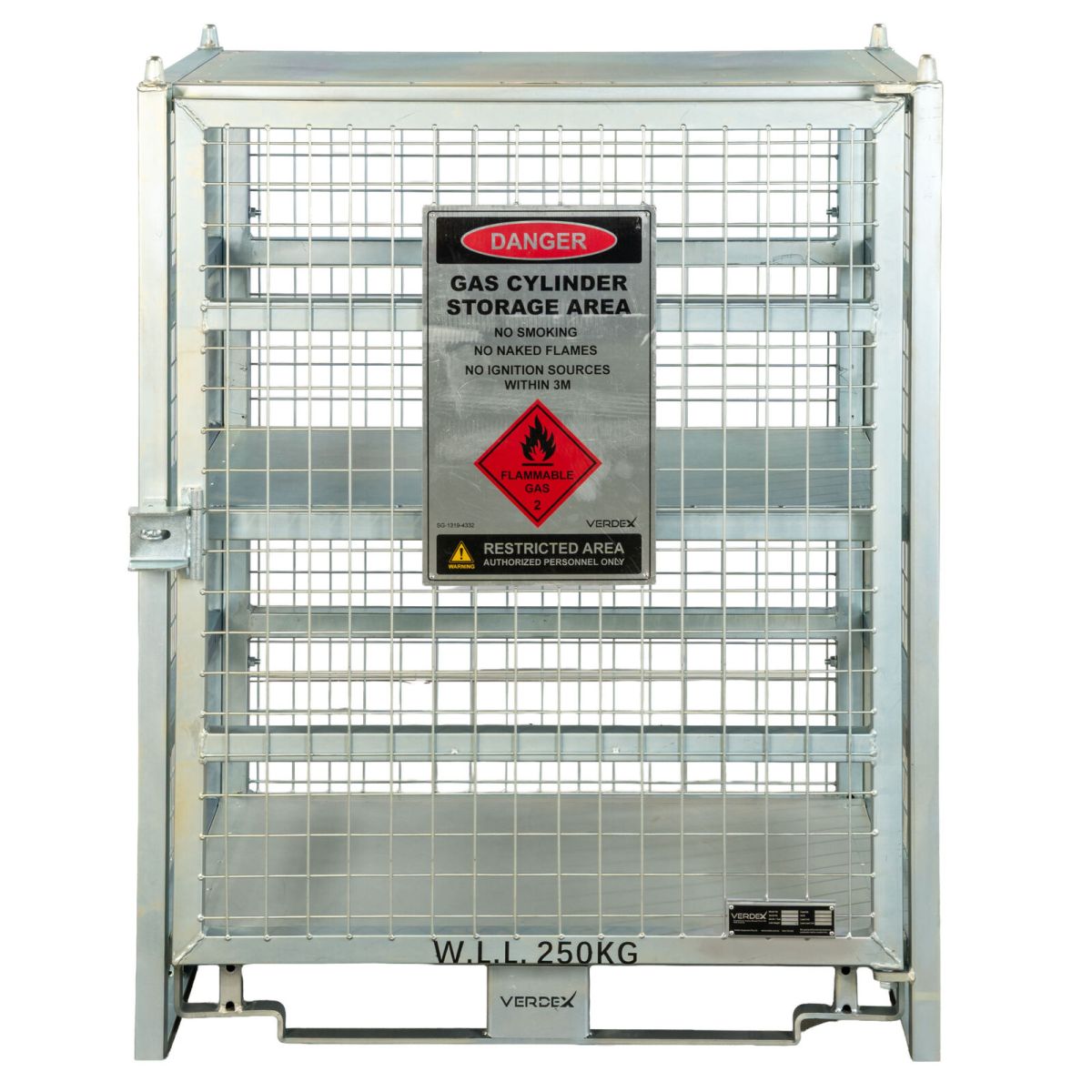
For hazardous or regulated materials, additional containment and control are essential. Purpose-built solutions such as a Gas Cylinder Cage are designed to securely restrain cylinders, prevent tipping or impact damage, and support compliance with safety and handling requirements.
If you’re transporting goods that require additional protection, such as fragile items or hazardous materials, you may want to choose a stillage cage with enclosed sides or added safety features. Some models also come with mesh sides, allowing for visibility while preventing items from falling out.
7. Ease of Maintenance and Hygiene
In industries such as food and beverage, pharmaceuticals, or healthcare, hygiene is of utmost importance. Choosing a stillage cage that is easy to clean and maintain will help ensure your products meet the necessary health and safety standards. Stainless steel cages or plastic cages can be wiped down easily, and their open design reduces the likelihood of dirt or moisture buildup.
If you’re in an environment where regular cleaning is required, look for cages that are designed for easy maintenance. Steel stillages can often be washed down with pressure hoses, while plastic versions may require less effort to maintain.
8. Cost and Long-Term Value
Finally, consider your budget when choosing a stillage cage. While it's tempting to choose the cheapest option, it's essential to factor in long-term value. A high-quality stillage cage made from durable materials will last longer and provide a better return on investment.
Investing in a robust solution such as a Collapsible and Stackable Stillage Cage can deliver greater value by reducing storage footprint when not in use, improving transport efficiency, and extending service life through heavy-duty construction. Balancing price with durability, space efficiency, and reusability ensures a stronger return on investment and a storage solution that continues to perform as your operation grows.

9. Consult with Experts
If you’re unsure about the best stillage cage for your needs, it’s always a good idea to consult with experts in the field. Companies like Verdex offer a wide range of stillage cages and can help guide you through the selection process. With years of experience in providing storage and transport solutions, they can offer advice based on your industry requirements, helping you make an informed decision.
Match Stillage Cages to Your Goods, Workflow, and Equipment
Choosing the right stillage cage for your storage and transport needs is crucial for improving efficiency, safety, and organisation in your operations. By considering factors such as load capacity, size, material, mobility, security, and maintenance, you can select the perfect stillage cage that suits your specific requirements.
When investing in stillage cages, make sure to prioritise durability and long-term value to ensure your equipment serves you well for years to come. By partnering with trusted suppliers like Verdex, you can access high-quality cages designed to meet the demands of your business.