Login / Register










 Trolleys & Hand Trucks
 Cage Trolleys
 Cleaning Carts & Trolleys
 Construction Trolleys
 Custom Trolleys
 Hand Trucks & Dollies
 Laundry/Linen Trolleys
 Lifting Trolleys
 Order Picking Trolleys
 Panel Cart Trolleys
 Platform Trolleys
 Powered Trolleys
 Shelf & Tiered Trolleys
 Shopping Trolleys
 Stainless Steel Trolleys
 Tool Trolleys
 Utility & Service Carts
 Lifting & Handling Equipment
 Forklift Attachments
 Jib Attachments
 Lifting Hoists & Pallet Hooks Accessories
 Load Skates & Tow Tugs
 Manual Stackers & Lifters
 Pallet Jacks
 Pallet Lifters
 Pallet Rotators & Dispenser
 Powered Pallet Trucks & Electric Lifters
 Scissor Lift Trolleys and Tables
 Conveyor Equipment
 Conveyor Frames & Stands
 Roller & Skate Conveyors
 Ladders & Access Equipment
 Container & Yard Ramps
 Ladders & Step Stools
 Work Platforms & Crane Cages
 Drum Handling Equipment
 Drum Storage & Bunding
 Drum Trolleys & Lifters
 Forklift Drum Handling
 Waste Handling & Bins
 Bin Lifters & Tippers
 Plastic Waste & Wheelie Bins
 Steel Waste & Tipping Bins
 Waste Carts
 Dangerous Goods Storage & Spillage
 Aerosol Cans Storage Cages
 Bunded Pallets & Storage
 Corrosive Goods Storage Cabinets
 DG Storage & Trolleys
 Flammable Liquid Cabinets
 Forklift Gas Storage Cages
 Gas Cylinder Storage Bays
 Site Storage
 Spill Kits
 Shelving & Storage Equipment
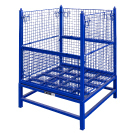 Stillage & Transport Cages
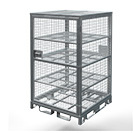 750 Series Cage Configurations
 Heavy Duty Cabinets
 Heavy Duty Shelving
 Mega Bins & Pallets
 Packing & Workbenches
 Parts Trays & Stor-Pak Bins
 Pegboard & Louvre Panels
 Plastic Bins & Crates
 Plastic Handling Solutions Bins
 Plastic Pallets
 Stack & Nest Bins
 Pallet Racking Accessories
 Workplace Equipment
 Modular Workbenches
 Electric Height-Adjustable Workbenches
 Floor Matting
 General Workplace Equipment
 Industrial Weighing Scales
 Packaging Machinery
 Stationery Cupboards
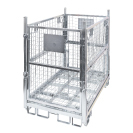 Storage and Stillage Cages
 Tool Trolleys
 Tooling Cabinets
 Workshop Fans and Coolers
 Safety Barriers, PPE & Signage
 Modular Safety Fence System
 Barriers & Bollards
 First Aid Equipment
 Gloves, Knives and PPE
 Signage
 Cleaning & Site Supplies
 Cleaning Equipment
 Cleaning Trolleys
 Rubbish Bins
 Signs & Traffic Supplies
 Construction Equipment
 Construction Trolleys
 Waste Handling
 General Site Equipment
 Concrete Equipment
 Site Storage
 Lifting Equipment
 Verdex Specials
Maintenance Tips to Extend the Lifespan of Your Stillage Cages
Date Posted:19 December 2025
Stillage cages work hard every day, but poor maintenance shortens their lifespan and increases safety risks. Here are 8 simple maintenance tips to help businesses protect their equipment, reduce downtime, and avoid unnecessary replacement costs.
Verdex Insights: At a Glance
-
The Challenge: Choosing the wrong storage system can waste space, slow operations, and create handling and safety issues in warehouses and industrial sites.
-
The Insight: Stillage cages suit flexible, mixed, or irregular goods that need portability and protection, while pallet racking is best for high-volume, palletised stock requiring structured, permanent storage.
-
The Verdex Solution: Verdex supplies various stillage and transport cages to suit Australian workplaces, helping businesses choose the right system to improve space use, handling efficiency, and overall warehouse safety.
8 Maintenance Tips to Extend the Lifespan of Your Stillage Cages
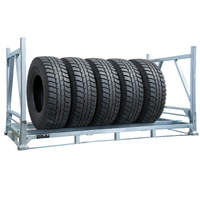
Stillage cages are invaluable tools for storing, transporting, and protecting goods in industries such as logistics, manufacturing, and retail. From standard storage cages to specialised solutions like Collapsible Tyre Stillage Cages used in automotive and workshop environments, these systems play a critical role in day-to-day operations.
Given their importance, ensuring that stillage cages remain in top condition is essential for efficiency, safety, and long-term cost savings. Proper maintenance can not only extend the lifespan of your stillage cages but also prevent costly repairs, downtime, and premature replacements. Below are practical tips to help keep your cages performing reliably over time.
For a deeper understanding of how stillage cages fit into broader storage and handling strategies, you may also find these related guides useful:
These articles provide additional context on stillage cage applications, industry use cases, and how to select the right storage solution for different operational needs.
.png)
.jpg)
1. Regular Cleaning
Regular cleaning is the first step in maintaining stillage cages. Dirt, debris, and dust can accumulate over time, leading to wear and tear on the cage material. For cages that carry food, pharmaceuticals, or sensitive materials, keeping them free from contamination is critical. Depending on the environment, cleaning might need to be done weekly, monthly, or after each use.
How to Clean:
-
Use a mild detergent solution and warm water.
-
For stubborn dirt or grease, a scrub brush can help loosen debris.
-
Ensure that cages are fully dried after cleaning to prevent rusting, especially if the cages are made of steel.
For cages used in harsh environments (e.g., food processing), a deep clean may be necessary more frequently, which helps maintain hygiene and prevents the build-up of corrosive materials.
2. Inspect for Rust and Corrosion
Rust and corrosion can significantly reduce the lifespan of stillage cages, especially if they are used in outdoor or wet environments. Steel stillage cages and Bulky Goods Mesh Cage Trolleys are particularly vulnerable when exposed to moisture, wash-down areas, or high-humidity conditions, but a few preventive steps can help mitigate this risk.
Inspection Tips:
-
Regularly inspect cages for any signs of rust or corrosion, especially around areas that are frequently in contact with moisture.
-
Pay attention to areas where the protective coating or paint may have worn off. Bare metal is more susceptible to rust.
-
If any rust spots are found, use a wire brush to remove them and treat the affected area with an anti-corrosion solution or reapply protective coating.
Preventive Measures:
-
If possible, store stillage cages in dry, well-ventilated areas.
-
Consider investing in galvanised stillage cages, as they are more resistant to rust compared to untreated steel models.
.png)
.jpg)
3. Check for Structural Damage
Over time, stillage cages can suffer from minor dents, bends, or structural fatigue, particularly if they are used to carry heavy loads or are frequently stacked. These damages can compromise the cage's ability to hold goods securely and reduce its lifespan. A quick inspection can help identify and address any structural issues before they worsen.
Inspection Checklist:
-
Check the frame, joints, and welds for any visible signs of wear, cracks, or fractures.
-
Examine the base of the stillage cage for any signs of bending or distortion from overloading.
-
Ensure that the wheels (if applicable) are in good condition and turn freely without resistance.
If any damage is identified, consider repairing the cage immediately or retiring it from use to prevent further damage to goods or injury to employees.
4. Lubricate Moving Parts
Stillage cages that feature wheels, hinges, or locking mechanisms can experience wear in these moving parts over time, leading to reduced functionality. This is especially relevant for our Configurable Full Height Lockable Cages With Shelves and Stacking Roofs, where doors, locks, and adjustable components are used frequently.
Regular lubrication ensures these cages operate smoothly, reducing strain on components and preventing mechanical failure.
Lubrication Tips:
-
Apply a light, non-greasy lubricant to the wheels, hinges, locks, and any other moving parts. This will reduce friction and extend the lifespan of these components.
-
For wheels, ensure that they rotate freely without sticking or excessive resistance.
-
Lubricate locks or latches periodically to ensure they continue to function properly and avoid rusting or jamming.
It’s important to use the correct lubricant for each component to prevent damage. For example, silicone-based lubricants may work best for some materials, while others may require petroleum-based options.
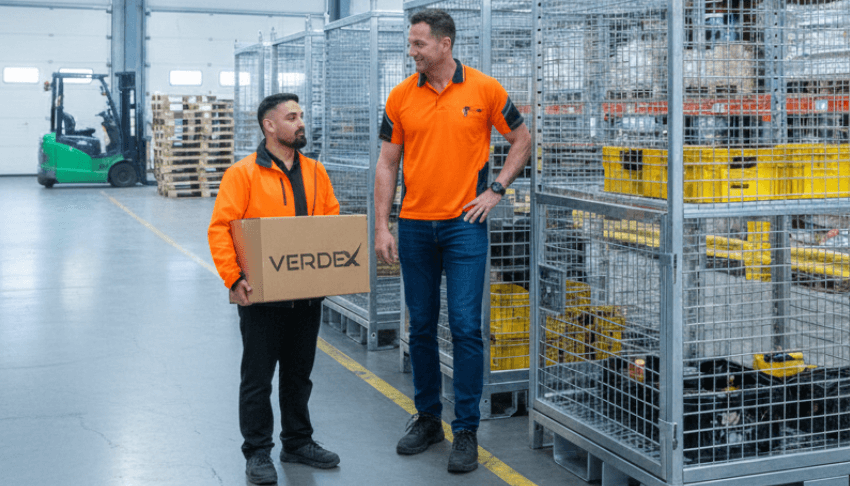 Two warehouse retail specialists standing next to row of Configurable Full Height Lockable Cages ↗
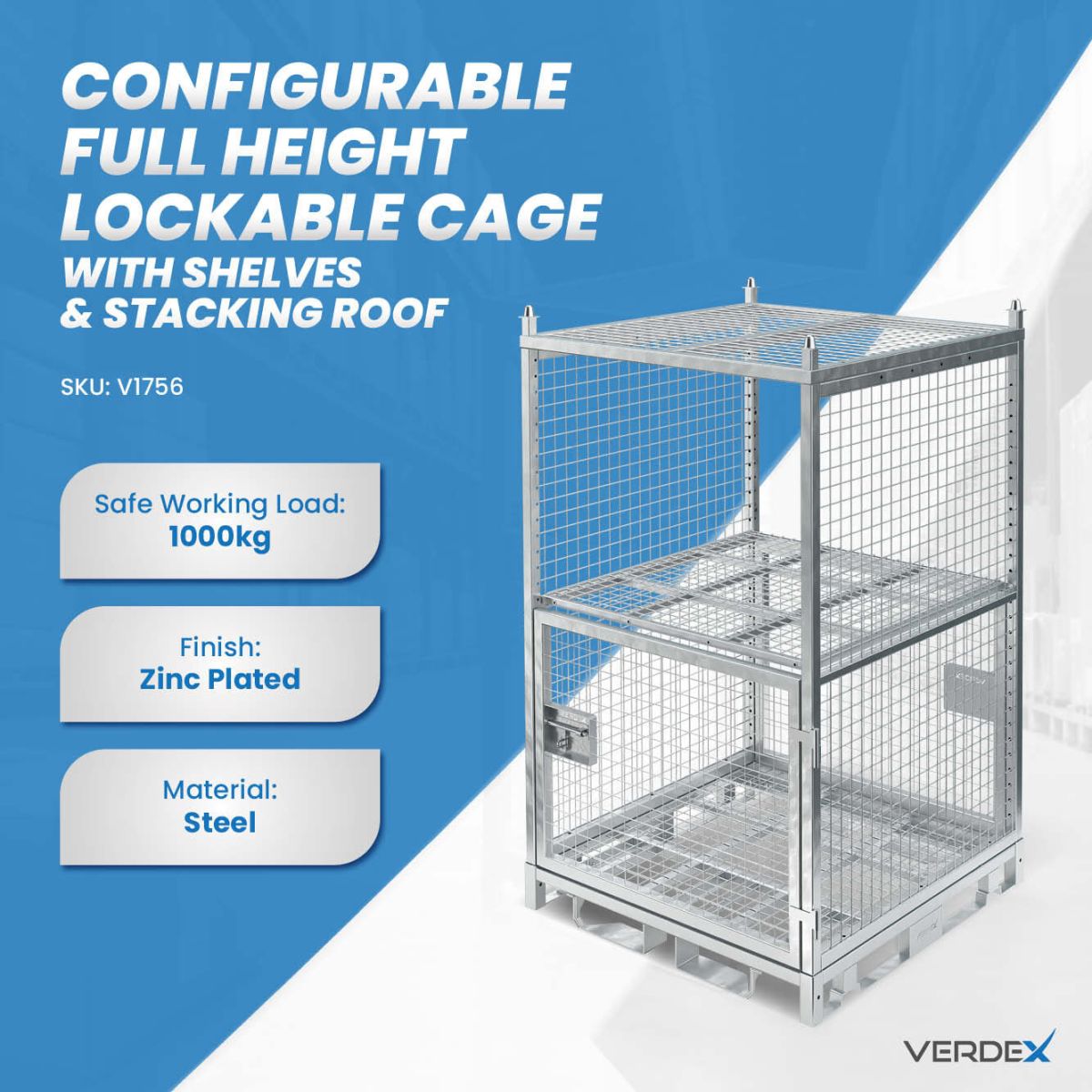 V1756: Configurable Full Height Lockable Cage With Shelves and Stacking Roof ↗
5. Ensure Proper Storage
When stillage cages are not in use, proper storage is crucial to prevent damage. Storing cages improperly can result in distortion, dents, or scratches that can impact their performance. In addition, correct storage ensures that cages remain accessible and easy to retrieve when needed.
Storage Guidelines:
-
Stack cages properly, following manufacturer recommendations for stacking height to avoid putting excess weight on the bottom cages.
-
If possible, store cages indoors to protect them from the elements. If outdoor storage is necessary, use protective covers or shelters to shield cages from moisture, UV rays, and extreme temperatures.
-
Keep cages organised and ensure that they are stored in a manner that allows easy access to the required units.
For warehouses with limited space, stackable stillage cages can be a great solution. These cages save floor space while maintaining accessibility, provided they are stacked correctly.
6. Handle Cages Carefully
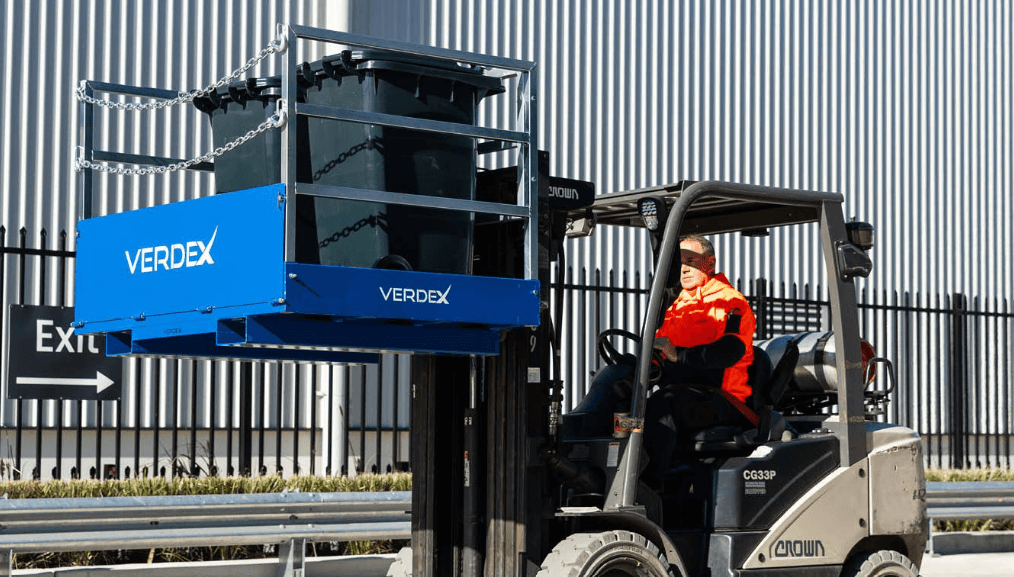
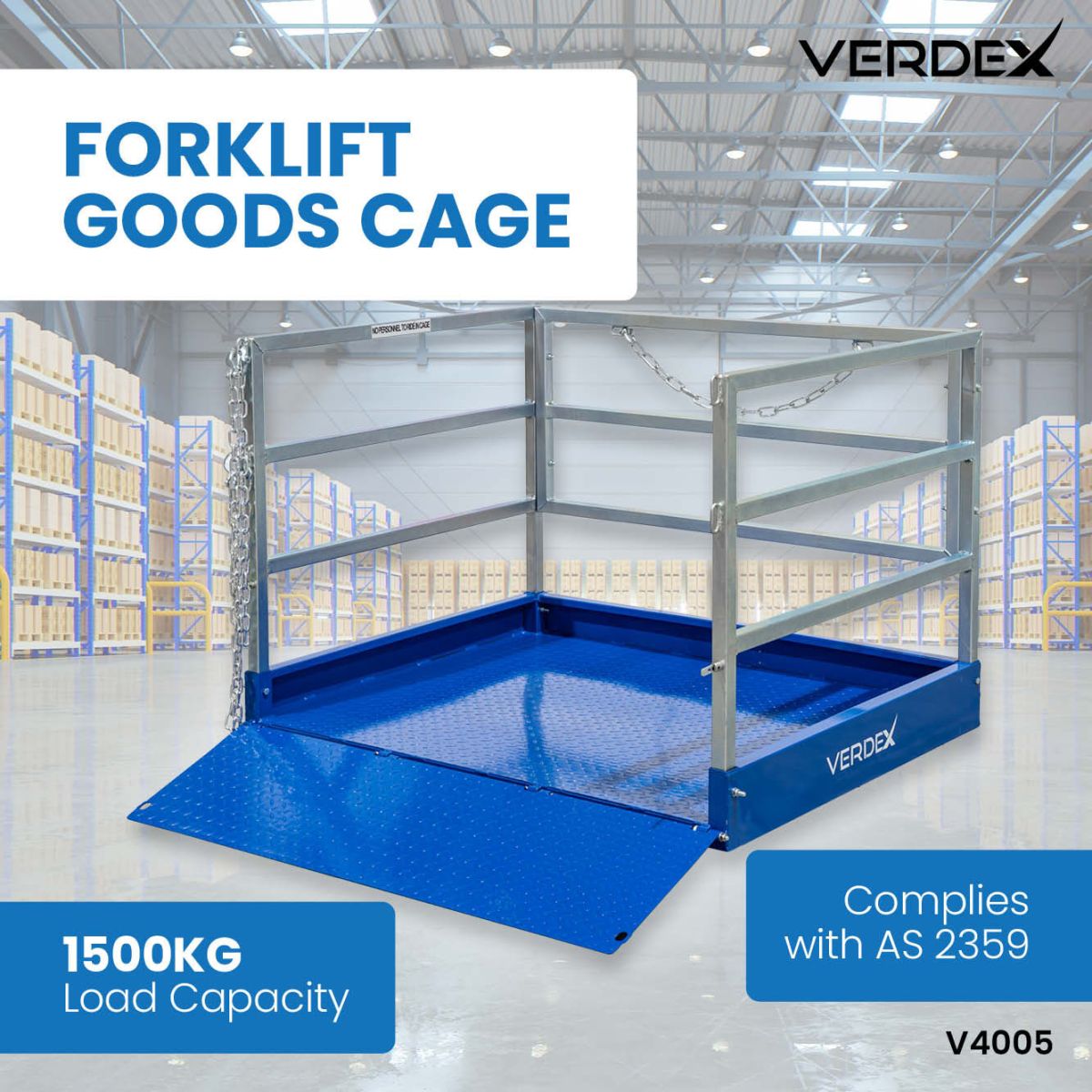
Improper handling of stillage cages can cause undue stress on the structure and components, leading to premature damage. Correct handling is especially important when using forklifts, pallet jacks, or other lifting equipment to move heavy or bulky loads.
Purpose-built solutions such as our Forklift Goods Cage are designed to support safe lifting, secure loads, and controlled transport when moving materials at height or across busy warehouse floors.
Handling Tips:
-
Ensure that cages are lifted evenly to prevent twisting or bending.
-
Avoid overloading cages beyond their recommended weight capacity, as this can cause structural damage.
-
Use appropriate lifting equipment and ensure that operators are trained in the correct handling techniques to avoid unnecessary stress on the cages.
When transporting cages with forklifts or pallet jacks, make sure that they are securely loaded to avoid tipping or shifting during movement.
7. Conduct Regular Safety Checks
Safety checks are not only important for ensuring the cage’s structural integrity but also for maintaining a safe working environment. Damaged or improperly maintained stillage cages can pose a safety hazard to workers and goods.
Safety Checks Include:
-
Inspecting all joints, welds, and fasteners to ensure they are securely fastened.
-
Checking that the cages are not overloaded, as excess weight can compromise safety.
-
Ensuring that stillage cages have no sharp edges, protrusions, or other hazards that could harm workers during handling.
By conducting regular safety checks and addressing any issues promptly, you can prevent accidents and ensure the safety of your team.
8. Repair and Replace as Needed
Despite the best efforts at maintenance, stillage cages will inevitably experience wear and tear over time. When cages become too damaged or worn to be repaired safely, replacement is the smarter option to avoid efficiency losses or WHS risks.
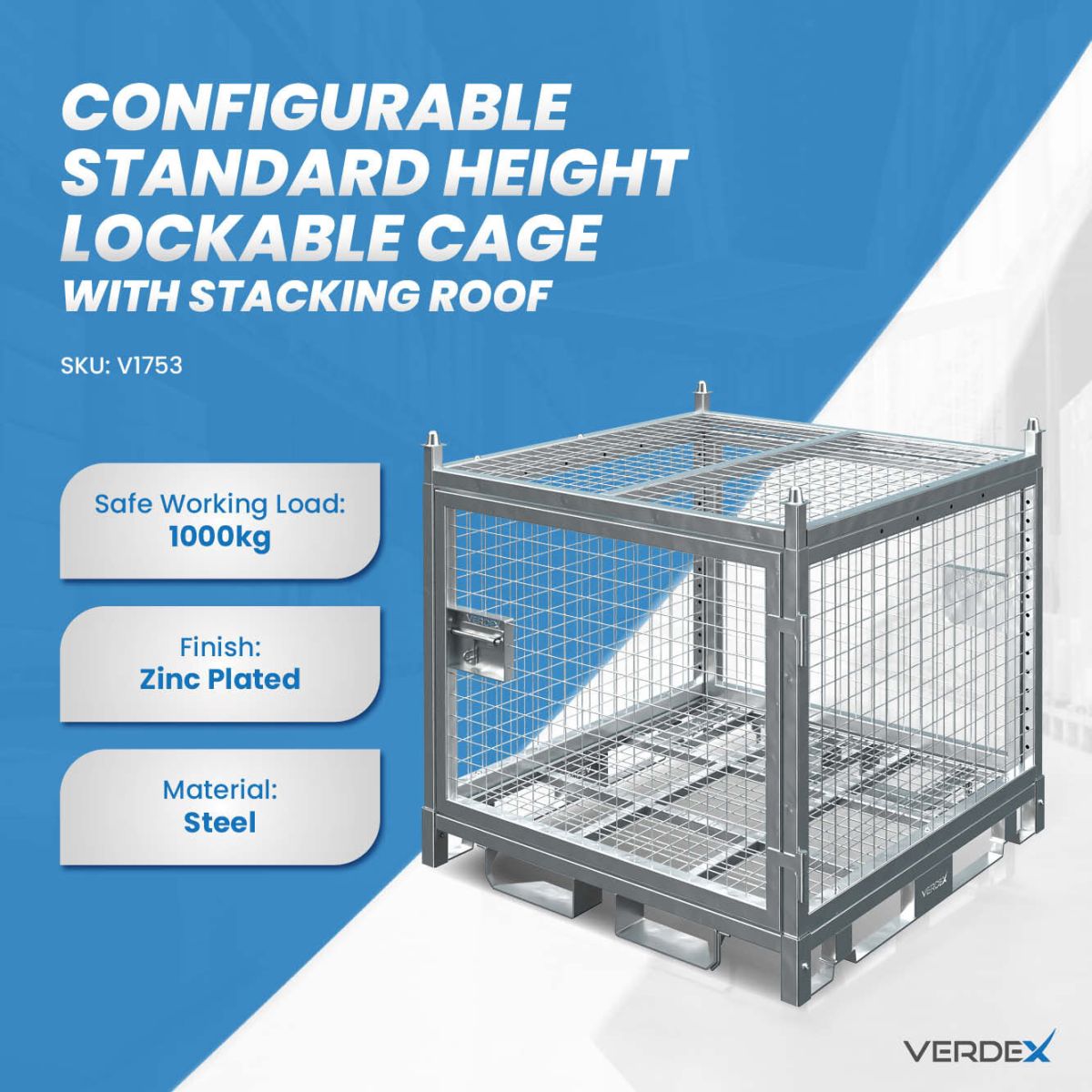
Upgrading to a Configurable Standard Height Lockable Cage With Stacking Roof can provide a more secure, durable solution for controlled storage, especially where lockable access and safe stacking are required.
Repair Tips:
-
Minor dents, scratches, or small rust patches can often be repaired with basic tools and materials. However, significant damage such as frame distortion or large rust patches may require professional repair or replacement.
-
Keep a small stock of spare parts (such as wheels or locks) on hand to make minor repairs on the spot, preventing downtime.
If a cage is beyond repair, retiring it from service ensures that it doesn't cause any issues with safety or efficiency.
.png)
Extending the Service Life of Your Stillage Cages
Maintaining your stillage cages is an essential aspect of warehouse management that can significantly extend their lifespan and keep your operations running smoothly. By following these maintenance tips—regular cleaning, inspecting for rust, ensuring proper handling, and performing routine safety checks—you can protect your investment, reduce the need for costly repairs, and maintain a safe and efficient workplace.
If you are reviewing your current storage setup or planning to replace ageing cages, Verdex offers a wide range of durable, Australian-compliant stillage cages designed for long-term industrial use. Our team can help you select the right solution for your operation and provide practical advice to support safer handling, better storage, and longer equipment life.