Login / Register










 Trolleys & Hand Trucks
 Cage Trolleys
 Cleaning Carts & Trolleys
 Construction Trolleys
 Custom Trolleys
 Hand Trucks & Dollies
 Laundry/Linen Trolleys
 Lifting Trolleys
 Order Picking Trolleys
 Panel Cart Trolleys
 Platform Trolleys
 Powered Trolleys
 Shelf & Tiered Trolleys
 Shopping Trolleys
 Stainless Steel Trolleys
 Tool Trolleys
 Utility & Service Carts
 Lifting & Handling Equipment
 Forklift Attachments
 Jib Attachments
 Lifting Hoists & Pallet Hooks Accessories
 Load Skates & Tow Tugs
 Manual Stackers & Lifters
 Pallet Jacks
 Pallet Lifters
 Pallet Rotators & Dispenser
 Powered Pallet Trucks & Electric Lifters
 Scissor Lift Trolleys and Tables
 Conveyor Equipment
 Conveyor Frames & Stands
 Roller & Skate Conveyors
 Ladders & Access Equipment
 Container & Yard Ramps
 Ladders & Step Stools
 Work Platforms & Crane Cages
 Drum Handling Equipment
 Drum Storage & Bunding
 Drum Trolleys & Lifters
 Forklift Drum Handling
 Waste Handling & Bins
 Bin Lifters & Tippers
 Plastic Waste & Wheelie Bins
 Steel Waste & Tipping Bins
 Waste Carts
 Dangerous Goods Storage & Spillage
 Aerosol Cans Storage Cages
 Bunded Pallets & Storage
 Corrosive Goods Storage Cabinets
 DG Storage & Trolleys
 Flammable Liquid Cabinets
 Forklift Gas Storage Cages
 Gas Cylinder Storage Bays
 Site Storage
 Spill Kits
 Shelving & Storage Equipment
 Stillage & Transport Cages
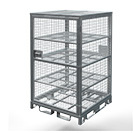 750 Series Cage Configurations
 Heavy Duty Cabinets
 Heavy Duty Longspan Shelving
 Heavy Duty Shelving
 Mega Bins & Pallets
 Packing & Workbenches
 Parts Trays & Stor-Pak Bins
 Pegboard & Louvre Panels
 Plastic Bins & Crates
 Plastic Handling Solution Bins
 Plastic Pallets
 Stack & Nest Bins
 Pallet Racking Accessories
 Workplace Equipment
 Modular Workbenches
 Electric Height-Adjustable Workbenches
 Floor Matting
 General Workplace Equipment
 Industrial Weighing Scales
 Packaging Machinery
 Stationery Cupboards
 Storage and Stillage Cages
 Tool Trolleys
 Tooling Cabinets
 Workshop Fans and Coolers
 Safety Barriers, PPE & Signage
 Modular Safety Fence System
 Barriers & Bollards
 First Aid Equipment
 Gloves, Knives and PPE
 Signage
 Cleaning & Site Supplies
 Cleaning Equipment
 Cleaning Trolleys
 Rubbish Bins
 Signs & Traffic Supplies
 Construction Equipment
 Construction Trolleys
 Waste Handling
 General Site Equipment
 Concrete Equipment
 Site Storage
 Lifting Equipment
 Spring Workplace Selections


Categories
- Trolleys & Hand Trucks
- Lifting & Handling Equipment
- Conveyor Equipment
- Ladders & Access Equipment
- Drum Handling Equipment
- Waste Handling & Bins
- Dangerous Goods Storage & Spillage
- Shelving & Storage Equipment
- Workplace Equipment
- Safety Barriers, PPE & Signage
- Cleaning & Site Supplies
- Construction Equipment
- Spring Workplace Selections
Driver Exclusion Cages

Frequently Asked Questions for Driver Exclusion Cages
1. What is a driver exclusion cage and what is it used for?
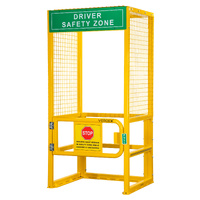
Driver exclusion cages are safety barriers designed to physically separate forklift operators from loading and unloading areas. They provide a protected zone where drivers can remain safely inside while pallets or goods are being handled.
2. Why are driver exclusion zones important in loading areas?
They help reduce the risk of injury from falling loads, shifting pallets, or moving equipment. By keeping operators separated from active loading zones, they support safer handling practices and reduce exposure to hazards.
3. Where are driver exclusion cages commonly used?
They are commonly used in warehouses, distribution centres, and logistics facilities where forklifts are regularly loaded or unloaded from trucks or containers. They are particularly useful in high-traffic loading bays.
4. How do driver exclusion cages improve compliance?
They help businesses meet safety requirements by clearly defining safe zones and restricting access to hazardous areas. This supports better site control and aligns with workplace safety procedures for loading operations.
5. What should I consider when selecting a driver exclusion cage?
Key factors include size, visibility, durability, and compatibility with your loading area layout. It’s important to ensure the cage provides adequate protection while allowing clear communication and workflow around the zone.
Driver Exclusion Zones – Engineered Safety Cages for Freight Handling
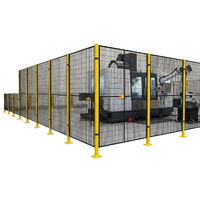
Driver Exclusion Zones (also commonly referred to as driver safety cages or exclusion cages) are robust, permanent barriers designed to segregate the truck driver from the active loading or unloading area at a loading dock or freight yard. These specialised structures are essential for WHS compliance, ensuring that drivers remain in a designated safe area—protected from moving forklifts, falling freight, or vehicle movement—while their trailer is being serviced.
Creating clear physical segregation between forklifts and personnel is critical for preventing serious workplace incidents. Verdex supplies certified Driver Exclusion Zones engineered from strong steel mesh or components, featuring secure access and high visibility. This dedicated safety solution is a core part of our commitment to advanced Safety Barriers, PPE & Signage for high-risk industrial environments.
Critical Features of Exclusion Zone Safety Cages
These engineered zones provide high-level protection and demarcation at the busiest workplace interfaces:
-
Physical Segregation: Provides a complete, reinforced barrier that physically prevents unauthorised entry into the high-risk loading area, moving far beyond simple visual markers or light barriers.
-
High Visibility and Clear Signage: Often brightly coloured and designed to integrate easily with instructional materials like Safety Signs and Warehouse Signs to guide drivers.
-
Integration with Access Control: Can be strategically placed alongside controls like Boom Gates and internal barrier systems to reinforce site access procedures.
Driver Exclusion Zone Applications
Exclusion zones are fundamental to safety protocols wherever commercial vehicles are unloaded by dedicated material handling equipment. They are essential across a broad range of Australian industries, including Logistics, Distribution, Ports, Mining, and Large-Scale Manufacturing, with specific use cases in the following workplaces:
-
Major Distribution Centres: Used at every truck bay to protect external drivers during the high-speed transfer of goods from trailers to the warehouse floor.
-
Manufacturing Plant Docks: Installed to secure the area where raw materials are received, ensuring drivers are safe while forklifts move heavy parts or components.
-
Freight and Intermodal Terminals: Critical for segregating vehicle access areas from pedestrian walkways and active container loading zones.
-
Retail Supply Chain Hubs: Used during evening or overnight hours when delivery drivers are dropping off stock and need a secure waiting point.
-
Waste Transfer Facilities: Installed near bin tipper areas or compactors to protect collection drivers while their vehicle is being emptied or serviced.
-
Mining and Resource Loading Zones: Used in remote areas where trucks drop off specialised equipment or supplies and safety procedures are strictly enforced.
-
Food Processing Plants: Essential at receiving docks to maintain strict hygiene control by limiting driver movement to a controlled safe area.
-
Vehicle Maintenance Depots: Used to create secure waiting areas for truck drivers while their vehicle is being fuelled or moved within the depot perimeter, away from vehicle flow controlled by Parking Barriers.
-
General Pedestrian Protection: While primary barriers like Pedestrian Barriers and Handrail Barriers manage general staff, the cages focus on the driver interaction point.
These permanent segregation methods complement flexible barriers like Expandable Barriers, Retractable Barriers, and Crowd Control Barriers used elsewhere on site. To reinforce the perimeter protection, fixed assets like Posts and Bollards, Safety Bollards, and specialised U Bar Bollards are also used extensively.
Secure Your Loading Docks With Driver Exclusion Zones
Every Verdex Driver Exclusion Zone is built to maximise driver safety and facility compliance, creating a clear, secure demarcation line at your busiest freight interface.
Improve safety and operational control at your loading docks. Browse our full range of safety barriers online, or contact our team for advice on compliance and dock layout.