Login / Register






 Trolleys & Hand Trucks
 Cage Trolleys
 Cleaning Carts & Trolleys
 Construction Trolleys
 Custom Trolleys
 Hand Trucks & Dollies
 Laundry/Linen Trolleys
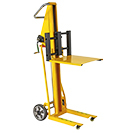 Lifting Trolleys
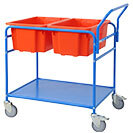 Order Picking Trolleys
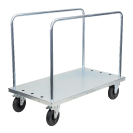 Panel Cart Trolleys
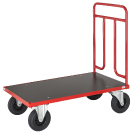 Platform Trolleys
 Powered Trolleys
 Shelf & Tiered Trolleys
 Shopping Trolleys
 Stainless Steel Trolleys
 Tool Trolleys
 Utility & Service Carts
 Lifting & Handling Equipment
 Forklift Attachments
 Jib Attachments
 Lifting Hoists & Pallet Hooks Accessories
 Load Skates & Tow Tugs
 Manual Stackers & Lifters
 Pallet Jacks
 Pallet Lifters
 Pallet Rotators & Dispenser
 Powered Pallet Trucks & Electric Lifters
 Scissor Lift Trolleys and Tables
 Conveyor Equipment
 Conveyor Frames & Stands
 Roller & Skate Conveyors
 Ladders & Access Equipment
 Container & Yard Ramps
 Ladders & Step Stools
 Work Platforms & Crane Cages
 Drum Handling Equipment
 Drum Storage & Bunding
 Drum Trolleys & Lifters
 Forklift Drum Handling
 Waste Handling & Bins
 Bin Lifters & Tippers
 Plastic Waste & Wheelie Bins
 Steel Waste & Tipping Bins
 Waste Carts
 Dangerous Goods Storage & Spillage
 Aerosol Cans Storage Cages
 Bunded Pallets & Storage
 Corrosive Goods Storage Cabinets
 DG Storage & Trolleys
 Flammable Liquid Cabinets
 Forklift Gas Storage Cages
 Gas Cylinder Storage Bays
 Site Storage
 Spill Kits
 Shelving & Storage Equipment
 Stillage & Transport Cages
 750 Series Cage Configurations
 Heavy Duty Cabinets
 Heavy Duty Longspan Shelving
 Heavy Duty Shelving
 Mega Bins & Pallets
 Packing & Workbenches
 Parts Trays & Stor-Pak Bins
 Pegboard & Louvre Panels
 Plastic Bins & Crates
 Plastic Handling Solution Bins
 Plastic Pallets
 Stack & Nest Bins
 Pallet Racking Accessories
 Workplace Equipment
 Modular Workbenches
 Electric Height-Adjustable Workbenches
 Floor Matting
 General Workplace Equipment
 Industrial Weighing Scales
 Packaging Machinery
 Stationery Cupboards
 Storage and Stillage Cages
 Tool Trolleys
 Tooling Cabinets
 Workshop Fans and Coolers
 Safety Barriers, PPE & Signage
 Modular Safety Fence System
 Barriers & Bollards
 First Aid Equipment
 Gloves, Knives and PPE
 Signage
 Cleaning & Site Supplies
 Cleaning Equipment
 Cleaning Trolleys
 Rubbish Bins
 Signs & Traffic Supplies
 Construction Equipment
 Construction Trolleys
 Waste Handling
 General Site Equipment
 Concrete Equipment
 Site Storage
 Lifting Equipment
 Spring Workplace Selections
Verdex Insights: At a Glance
-
The Challenge: In high-traffic warehouse areas, poorly placed waste bins create safety risks, slow down workflows, and lead to clutter, blocked aisles, and inefficient operations.
-
The Insight: Waste stations are part of workflow design, not just housekeeping; placing the right bin types in the right locations reduces unnecessary movement, prevents hazards, and keeps operations running smoothly.
-
The Verdex Solution: Verdex provides heavy-duty, mobile, and segregated waste systems that help warehouses maintain clean, accessible, and compliant work areas while supporting faster, safer day-to-day operations.
Designing Waste Stations for High-Traffic Warehouse Areas
How Strategic Bin Placement Improves Safety, Workflow, and Efficiency
In busy warehouse environments, waste management is often overlooked despite its critical role in workplace safety and productivity. Poorly placed bins can slow workflow, create trip hazards, and even lead to blocked access for forklifts and other vehicles.
Strategically designing waste stations ensures that staff can dispose of waste quickly and efficiently without compromising safety or disrupting operations. Whether your warehouse handles packing, dispatch, production, or receiving, proper bin placement is essential for both indoor and outdoor industrial settings, especially when selecting from a broader range of Waste Handling and Bin Solutions suited to different environments.
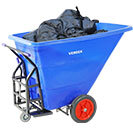
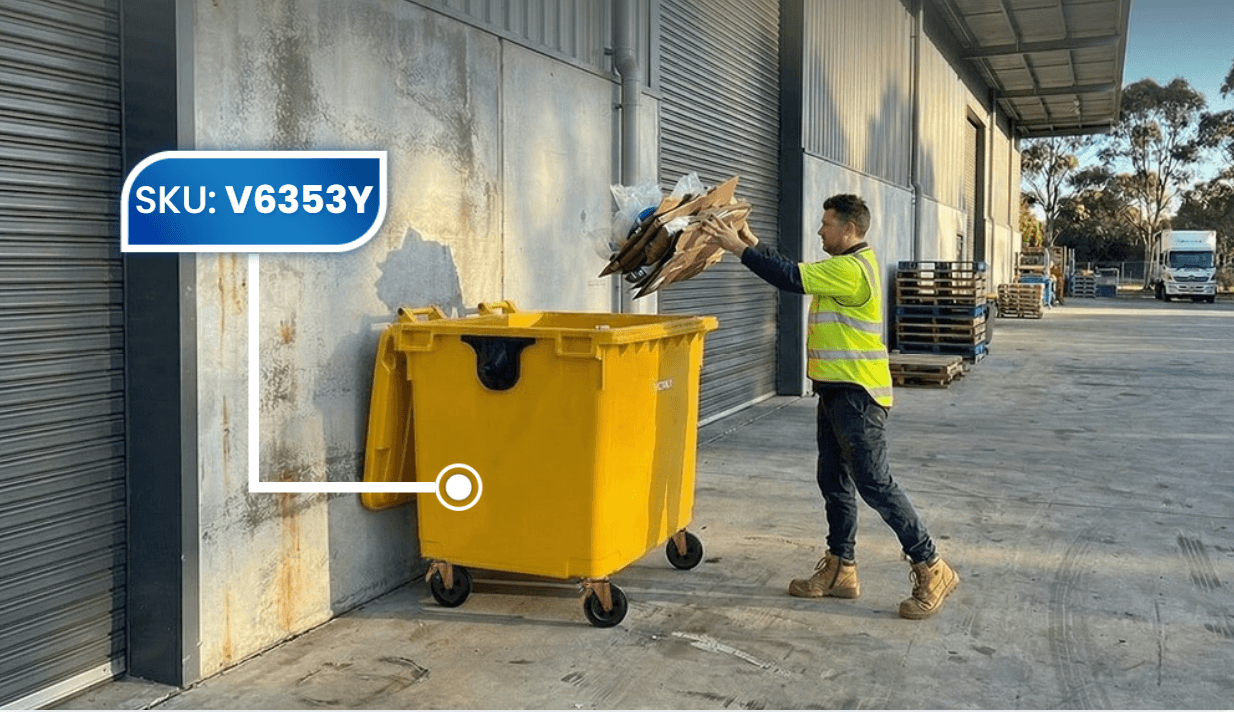
In many warehouse environments, this starts with placing high-capacity bins in accessible outdoor or loading areas, where bulk waste can be contained without interrupting internal workflows.
Why Bin Placement Matters
High-traffic areas in warehouses, such as packing stations, dispatch areas, production lines, and receiving docks, generate significant amounts of waste daily. If bins are poorly placed:
-
Workers may walk long distances to dispose of packaging, reducing productivity and increasing fatigue.
-
Waste can pile up in corners or on floors, creating trip hazards and potential fire risks.
-
Aisles may be blocked, interfering with forklift routes or emergency exits.
-
Overflowing bins can cause materials to scatter, leading to additional cleanup and wasted time.
By carefully planning waste station locations, warehouses can maintain clean, safe, and efficient operations.
Benefits of Well-Planned Waste Stations
Properly designed waste stations improve workflow, reduce risks, and make warehouse operations more professional. Key benefits include:
Close Proximity to Waste Sources
Placing bins near packing, assembly, or production areas reduces the distance staff must carry waste. This saves time and limits unnecessary movement, keeping staff focused on their primary tasks. For example, a packing station with nearby bins allows operators to dispose of cardboard and plastic wrap immediately, reducing clutter and speeding up processing.
Clear Access Points
Bins should be positioned in locations that are easily accessible without obstructing walkways or machinery. Staff should be able to approach, deposit waste, and return to work safely. Clear access also helps forklifts and pallet jacks move freely around high-traffic areas.
Away from Vehicle Lanes
Waste stations should not be placed in vehicle lanes or near loading docks where forklifts and delivery trucks operate. Doing so reduces the risk of collisions and keeps aisles clear for safe material handling. Strategic placement can prevent accidents that disrupt workflow or damage goods.
Matching Bin Size to Waste Volume
Different areas of a warehouse produce varying amounts of waste. Large production lines may require heavy-duty bins or recycling stations, while smaller packing areas may only need medium-sized bins. Matching bin size to expected volume prevents overflow and ensures waste is managed efficiently. If you’re still deciding which bin styles suit different waste streams, our guide Top 5 Types of Waste Bins for Efficient Recycling and Disposal breaks down common options and where they are typically used.
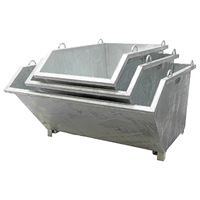
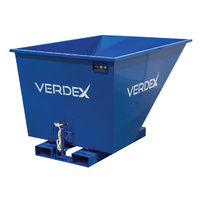
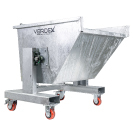
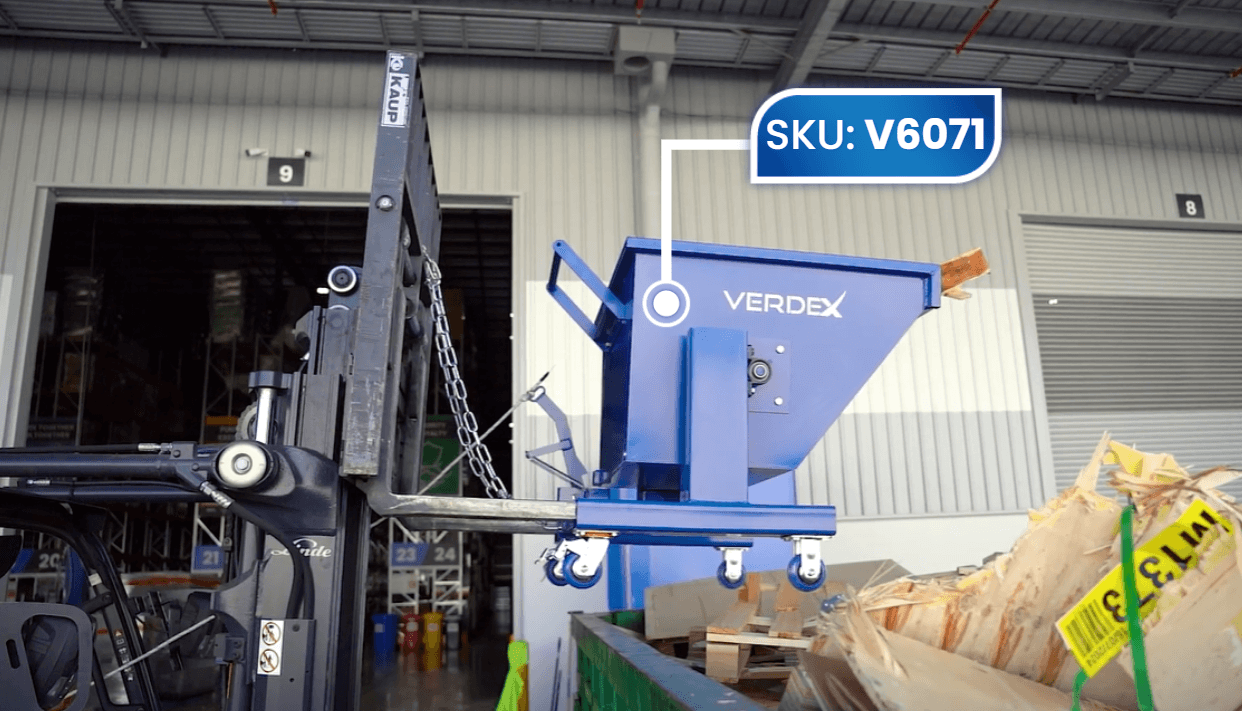
In higher-volume operations, larger handling solutions such as forklift tipping bins are often used to keep waste under control and avoid overflow or manual handling delays, particularly in heavy-duty Steel Waste and TIpping Bins applications.
Tips for Designing Effective Waste Stations
1. Analyse Workflow and Waste Generation
Begin by reviewing the warehouse layout and identifying waste generation points. Observe which areas produce the most packaging, offcuts, or general waste, and assess staff movement patterns. This analysis ensures bins are placed where they are needed most.
For a broader look at matching bin types to site conditions, our guide How to Choose the Right Waste Bins for Different Environments explains how different work areas can influence bin selection.
2. Use Mobile or Modular Bins
Mobile bins and modular recycling stations can be relocated as warehouse layouts or workflows change. This flexibility is particularly valuable for high-turnover areas, temporary storage zones, or seasonal shifts in activity. Verdex’s mobile waste bins are durable, easy to manoeuvre, and suitable for both indoor and outdoor use.
3. Group Bins for Recycling and Segregation
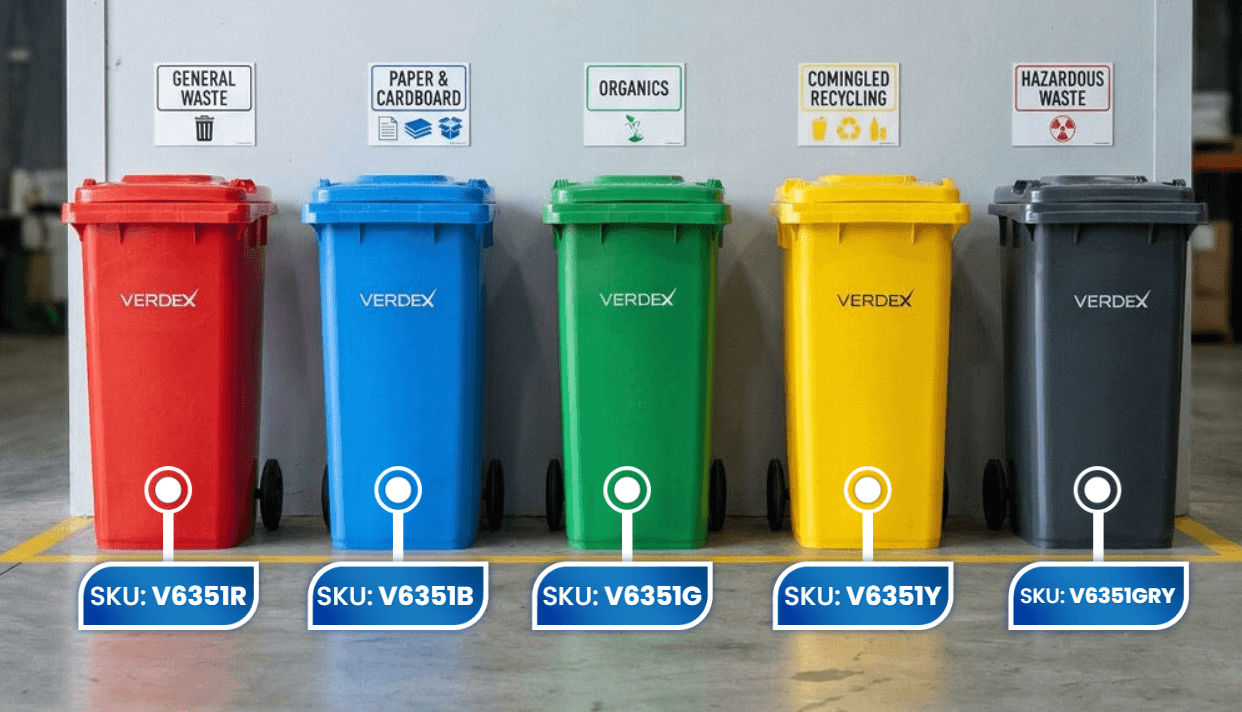
Design waste stations to encourage waste segregation. Place separate bins for cardboard, plastics, metals, and general waste together, clearly labelled for staff. Grouping bins improves compliance with recycling programs, prevents cross-contamination, and streamlines disposal processes.
4. Ensure Visibility
Bins should be highly visible to staff, particularly in busy areas with multiple workstations. Using bright-coloured lids or signage increases awareness and reduces the likelihood of waste being left on the floor.
5. Minimise Obstructions
Bins should not block fire exits, aisles, or loading areas. Consider the movement of staff, forklifts, and pallet jacks when placing stations. Even temporary obstructions can disrupt workflow and increase accident risks.
6. Plan for Weather Protection (Outdoor Areas)
For outdoor warehouses or loading docks, waste stations should be protected from wind and rain. Covered bins or stations with removable lids prevent litter from spreading and reduce cleanup requirements. Verdex provides weather-resistant outdoor bins and recycling stations, designed for robust industrial environments.
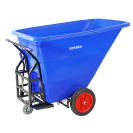
A well-designed waste station often includes clearly organised and colour-coded bins, making it easier for staff to separate materials and dispose of waste correctly. Our 120L wheelie bin range is a practical solution for busy warehouses, particularly where lightweight, durable Plastic Waste and Wheelie Bins are required across multiple waste streams.
Reviewing Bin Placement During Layout Changes
Warehouse operations are rarely static. Changes in layout, workflow, or production volumes require a review of waste station placement:
-
After adding new packing or assembly lines: Adjust bin locations so they remain close to waste sources.
-
When workflow changes: Reposition bins to avoid obstructing new traffic paths or high-traffic areas.
-
Seasonal adjustments: During periods of increased activity, ensure bins can handle higher volumes without overflow.
Regularly reviewing waste station placement ensures continued efficiency, reduces risk, and helps maintain professional warehouse standards.
Practical Examples of Effective Placement
Packing Stations
In packing areas, workers generate significant cardboard, plastic wrap, and packaging materials. Placing bins within arm’s reach of packing tables reduces unnecessary walking and prevents packaging from accumulating on the floor.
Dispatch Areas
Forklift operators and shipping staff need clear access to loading bays. Bins positioned at the edges of dispatch lanes allow waste disposal without interfering with vehicle movement, keeping both staff and goods safe.
Production Lines
Continuous production lines often generate waste in specific zones. Using grouped recycling stations along the line enables staff to dispose of waste quickly, maintain workflow, and reduce material handling delays.
Receiving Docks
Goods arrive in bulk at receiving docks, creating cardboard, strapping, and packing waste. Placing large-capacity bins nearby ensures that debris is contained immediately, reducing tripping hazards and maintaining clear access for forklifts and pallet jacks.
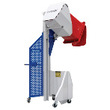
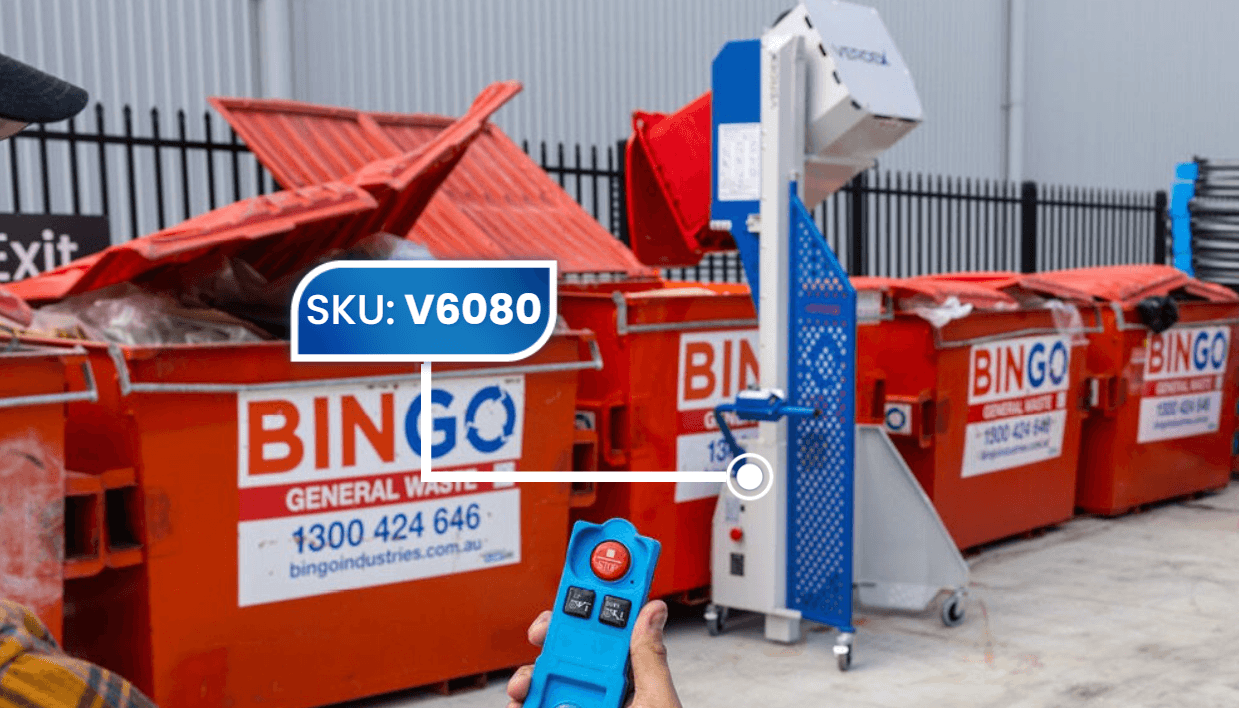
In larger facilities or outdoor areas, equipment that assists with lifting and emptying bins can further improve efficiency and reduce manual handling risks. Our Battery Electric Wheelie Bin Tipper With Remote helps streamline processes, particularly in environments where lifting and emptying bins needs to be handled safely and efficiently.
Equipment Considerations for High-Traffic Areas
High-traffic warehouses require robust, practical waste management solutions:
-
Heavy-duty bins: withstand frequent use and rough handling without tipping or breaking.
-
Mobile bins: easy to relocate as workflows shift.
-
Segregated recycling stations: simplify compliance with environmental programs.
-
Weather-resistant outdoor bins: suitable for dock areas, open storage yards, and external collection points.
Verdex’s range of industrial waste bins and recycling solutions are designed for durability, portability, and safe use in high-traffic warehouses. These products streamline disposal, reduce accidents, and maintain clean, organised work areas. (verdex.com.au)
Benefits Beyond Safety
Strategic waste station placement offers advantages beyond immediate safety:
-
Improved productivity: Staff spend less time walking to dispose of waste and can focus on their primary tasks.
-
Professional appearance: Organised bins and recycling stations present a tidy, efficient workspace for visitors, auditors, and inspectors.
-
Reduced cleanup costs: With designated disposal points, waste is contained and easier to collect.
-
Supports sustainability programs: Properly located segregated bins make recycling straightforward and reduce environmental impact.
In high-volume warehouses, these benefits directly affect operational efficiency and cost management.
Improve Waste Management with the Right Equipment
Effective waste station design isn’t just about placement — it also depends on using the right equipment for your environment and workload.
Verdex supplies a range of industrial waste bins and recycling solutions designed for high-traffic warehouse areas. From heavy-duty bins for large volumes to mobile and segregated recycling stations, our equipment helps businesses maintain clean, safe, and efficient workspaces.
If you’re reviewing your warehouse layout or looking to improve waste handling processes, our team can help you select practical solutions suited to your workflow, space, and waste volume.
Explore the Verdex range or get in touch to find the right waste management setup for your operation.