Login / Register








 Trolleys & Hand Trucks
 Cage Trolleys
 Cleaning Carts & Trolleys
 Construction Trolleys
 Custom Trolleys
 Hand Trucks & Dollies
 Laundry/Linen Trolleys
 Lifting Trolleys
 Order Picking Trolleys
 Panel Cart Trolleys
 Platform Trolleys
 Powered Trolleys
 Shelf & Tiered Trolleys
 Shopping Trolleys
 Stainless Steel Trolleys
 Tool Trolleys
 Utility & Service Carts
 Lifting & Handling Equipment
 Forklift Attachments
 Jib Attachments
 Lifting Hoists & Pallet Hooks Accessories
 Load Skates & Tow Tugs
 Manual Stackers & Lifters
 Pallet Jacks
 Pallet Lifters
 Pallet Rotators & Dispenser
 Powered Pallet Trucks & Electric Lifters
 Scissor Lift Trolleys and Tables
 Conveyor Equipment
 Conveyor Frames & Stands
 Roller & Skate Conveyors
 Ladders & Access Equipment
 Container & Yard Ramps
 Ladders & Step Stools
 Work Platforms & Crane Cages
 Drum Handling Equipment
 Drum Storage & Bunding
 Drum Trolleys & Lifters
 Forklift Drum Handling
 Waste Handling & Bins
 Bin Lifters & Tippers
 Plastic Waste & Wheelie Bins
 Steel Waste & Tipping Bins
 Waste Carts
 Dangerous Goods Storage & Spillage
 Aerosol Cans Storage Cages
 Bunded Pallets & Storage
 Corrosive Goods Storage Cabinets
 DG Storage & Trolleys
 Flammable Liquid Cabinets
 Forklift Gas Storage Cages
 Gas Cylinder Storage Bays
 Site Storage
 Spill Kits
 Shelving & Storage Equipment
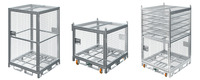
 Stillage & Transport Cages
 750 Series Cage Configurations
 Heavy Duty Cabinets
 Heavy Duty Longspan Shelving
 Heavy Duty Shelving
 Mega Bins & Pallets
 Packing & Workbenches
 Parts Trays & Stor-Pak Bins
 Pegboard & Louvre Panels
 Plastic Bins & Crates
 Plastic Handling Solution Bins
 Plastic Pallets
 Stack & Nest Bins
 Pallet Racking Accessories
 Workplace Equipment
 Modular Workbenches
 Electric Height-Adjustable Workbenches
 Floor Matting
 General Workplace Equipment
 Industrial Weighing Scales
 Packaging Machinery
 Stationery Cupboards
 Storage and Stillage Cages
 Tool Trolleys
 Tooling Cabinets
 Workshop Fans and Coolers
 Safety Barriers, PPE & Signage
 Modular Safety Fence System
 Barriers & Bollards
 First Aid Equipment
 Gloves, Knives and PPE
 Signage
 Cleaning & Site Supplies
 Cleaning Equipment
 Cleaning Trolleys
 Rubbish Bins
 Signs & Traffic Supplies
 Construction Equipment
 Construction Trolleys
 Waste Handling
 General Site Equipment
 Concrete Equipment
 Site Storage
 Lifting Equipment
 Spring Workplace Selections
Verdex Insights: At a Glance
-
The Challenge: Construction sites often rely on manual handling and poor material organisation, leading to injuries, delays, and damaged goods.
-
The Insight: Safe material handling comes down to reducing manual effort, shortening travel distances, and using the right equipment to keep materials organised and accessible.
-
The Verdex Solution: Verdex provides practical handling solutions like trolleys, stillages, and storage systems that help construction teams move materials safely, reduce strain, and keep sites running efficiently.
Managing Materials Safely on Construction Sites
Practical Strategies to Reduce Injury and Improve Productivity
Efficient construction sites rely on the smooth movement and handling of materials — from bricks and timber to steel beams and tools. But without careful planning, material handling can become a major source of injuries, wasted time, and damaged goods.
This blog outlines practical strategies for safe material movement, including reducing manual carrying, using trolleys and carts, keeping materials organised, and maintaining clear access routes. Implementing these practices improves workflow, protects workers, and minimises damage to equipment and materials.
For a broader look at how site layout and planning impact safety and workflow, see our guide on Setting Up Safe and Efficient Construction Sites.
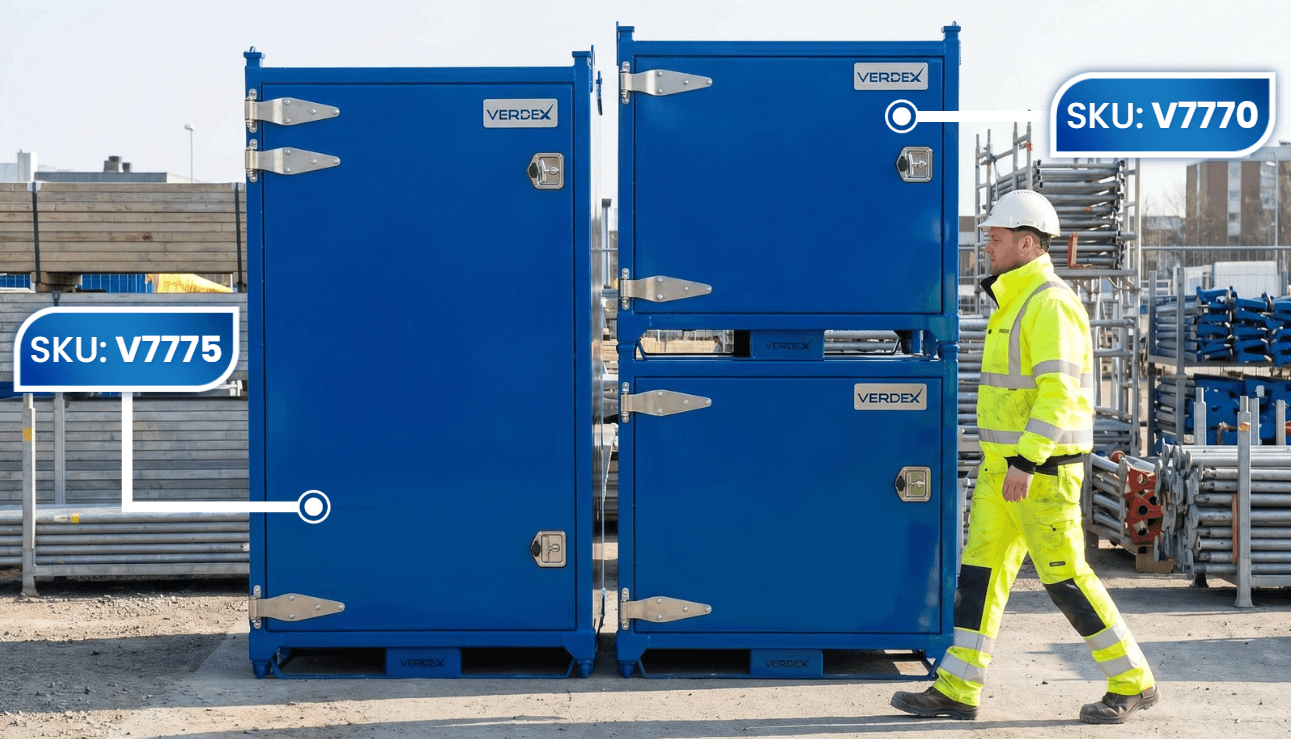
In many construction environments, this begins with secure, centralised storage solutions, such as our craneable site box storage options that allow materials and equipment to be safely stored, lifted, and moved around site as needed.
Why Safe Material Handling Matters
Construction sites are dynamic and often congested. Heavy or awkward materials, repeated lifting, and cluttered pathways create multiple hazards:
-
Musculoskeletal injuries from lifting, bending, and carrying heavy loads
-
Trips and falls caused by obstructed walkways
-
Damage to materials due to improper handling or stacking
-
Delays in workflow when materials are difficult to access
By managing materials safely, you reduce risk and create a more efficient site. Planning for material movement before work begins is just as important as following safe lifting techniques on the day.
Handling Bricks, Timber, Steel, and Tools Safely
Different materials have different handling requirements:
Bricks and Blocks
-
Often heavy and awkward to carry in large quantities
-
Stack them on pallets or trolleys to reduce manual lifting
-
Use mechanical lifting aids for larger loads
Timber
-
Can be long and unwieldy
-
Use timber carts or trolleys designed for long loads
-
Keep paths clear to avoid snagging or tripping hazards
Steel and Metal Components
-
Extremely heavy and often sharp-edged
-
Use forklift-compatible stillages or mechanical trolleys for short moves
-
Always secure the load to prevent rolling or slipping
Tools and Small Equipment
-
Store in tool trolleys or cages for easy transport
-
Avoid carrying multiple heavy tools by hand — this increases fatigue and injury risk
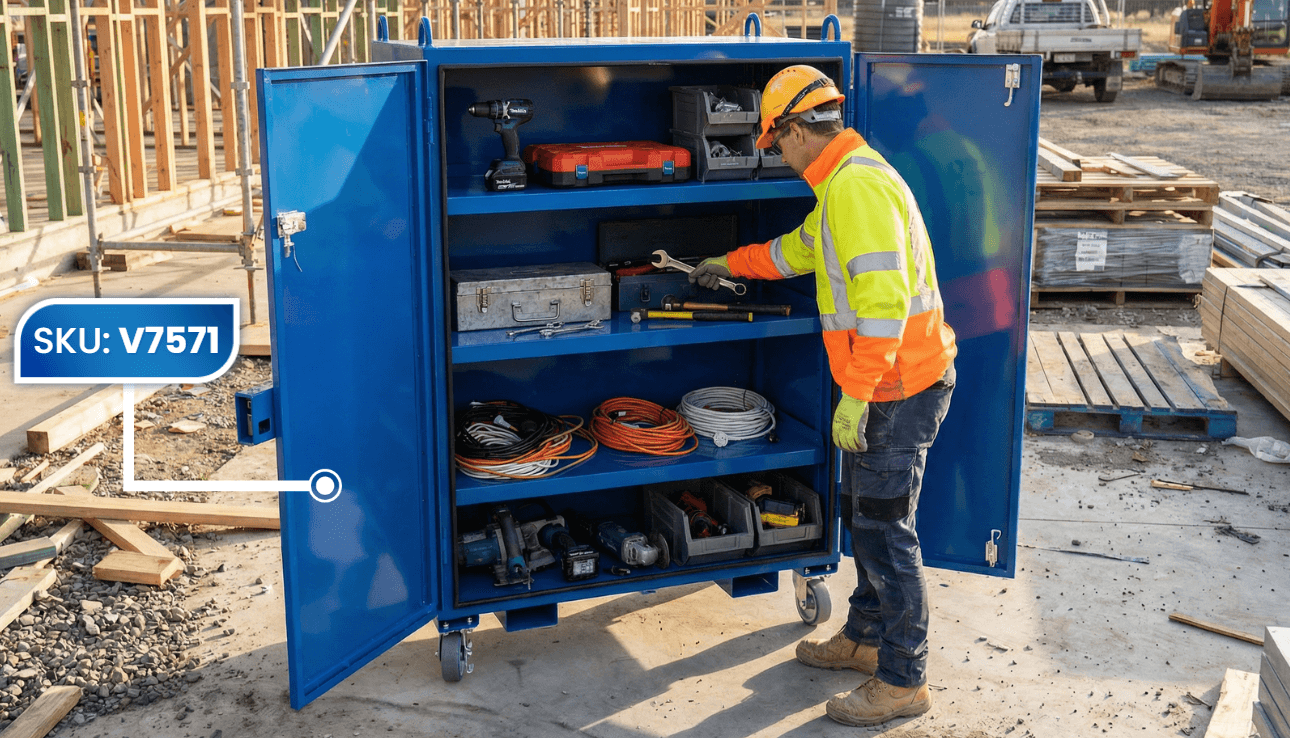
Keeping tools and smaller equipment organised and easy to access is just as important as handling larger materials safely. The Site Tool Cabinet - Double Door helps achieve this by providing secure, accessible storage on site.
Reducing Manual Carrying
Manual handling is a leading cause of injury on construction sites. Reducing manual carrying of heavy or awkward loads protects workers and keeps projects on schedule.
Practical Steps
-
Plan material drop zones close to where work will be performed
-
Avoid long-distance carrying whenever possible
-
Split loads into manageable portions
-
Use mechanical aids for repetitive tasks or heavy loads
By minimising repeated lifting, you reduce fatigue and the risk of strains or sprains.
Using Trolleys and Carts
Trolleys and carts are simple but highly effective tools to improve site safety and efficiency.
Benefits
-
Minimise manual lifting — workers push or pull rather than carry
-
Shorten travel distances — move multiple items in a single trip
-
Keep materials organised — prevents clutter and misplaced items
-
Protect materials — reduces dropping or impact damage
Recommended Verdex Products
-
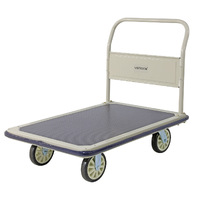
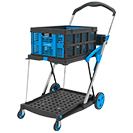
Construction Trolleys — ideal for moving bricks, timber, and smaller construction materials across site.
-
Construction Site Storage — secure storage solutions for tools, equipment, and materials, helping keep sites organised and reduce clutter.
-
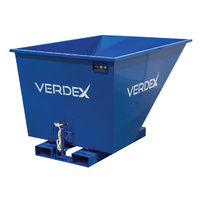
Construction Waste Handling — practical bins and handling solutions for managing waste efficiently and keeping work areas clear.
-
Construction General Site Equipment — essential equipment that supports daily site operations, improving safety, organisation, and workflow.
-
Construction Lifting Equipment — for steel or bulk materials that require mechanical lifting.
-
Concrete Equipment — equipment designed to support the safe handling, pouring, and transport of concrete on site.
By using these solutions, multiple items can be moved safely in one trip, reducing physical strain and saving time.
Keeping Materials Organised
Organisation reduces clutter, prevents accidents, and ensures materials are accessible when needed.
Efficient storage plays a key role in this. Our article on Importance of Efficient Site Storage in Construction Projects explores how structured storage improves both safety and productivity on site.
Tips for Organisation
-
Designate storage zones for different material types
-
Stack items safely — heavier materials at the bottom, lighter items on top
-
Label materials clearly to reduce confusion and search time
-
Use storage cages, stillages, or pallets to contain loose materials and prevent them from rolling or falling
Proper organisation also makes it easier to maintain safe access paths and reduces the chance of trips or accidental damage.
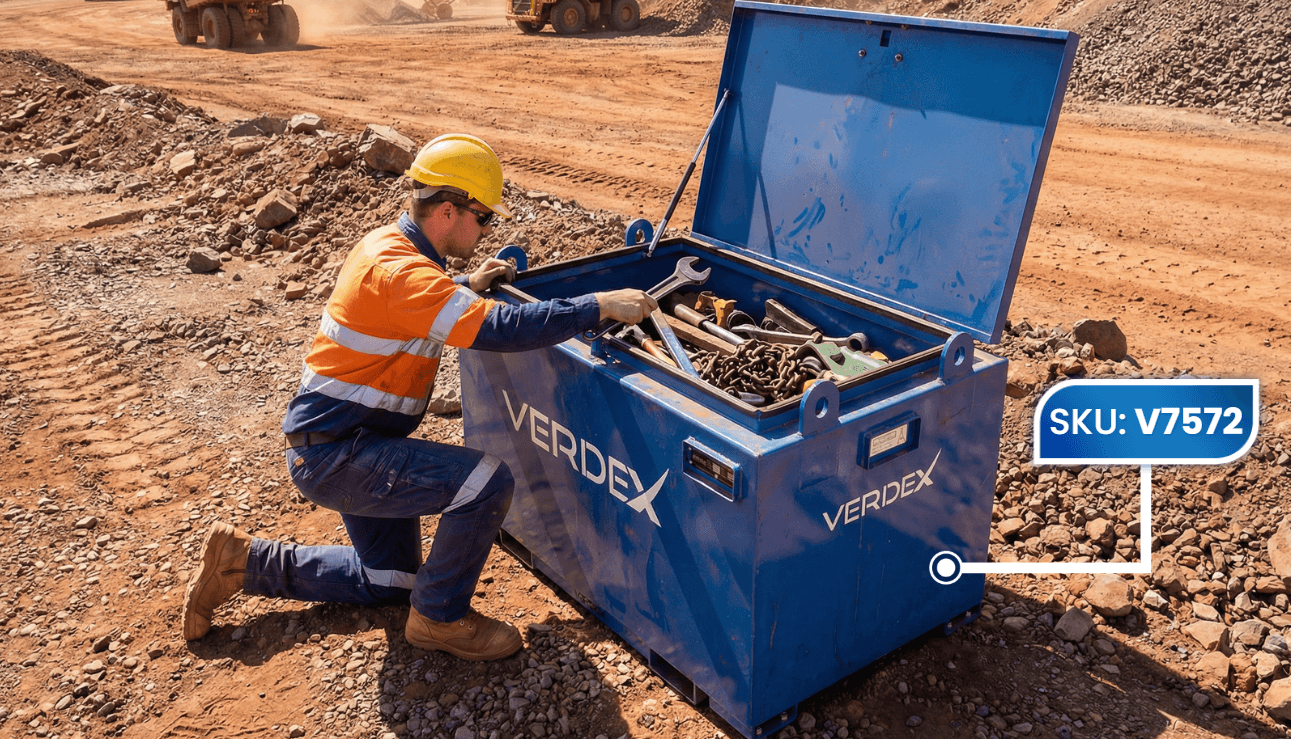
On busy sites, for increased durability, the Site Tool Box - Hinged Lid provides dedicated storage for tools and smaller items, helping reduce clutter and ensuring everything is easy to locate when needed.
Shortening Travel Distances
Moving materials over long distances increases fatigue, slows work, and increases the likelihood of dropping or mishandling items.
How to Reduce Travel
-
Place materials close to the work area before tasks begin
-
Use intermediate drop zones for large sites
-
Employ trolleys, carts, or forklifts to bridge long distances
-
Plan routes that avoid obstacles and pedestrian traffic
Reducing travel distances reduces repeated lifting and fatigue, helping workers maintain safe handling practices throughout the day.
Avoiding Repeated Lifting
Repeated lifting of heavy items is a common cause of musculoskeletal injuries. To minimise repetitive strain:
-
Consolidate loads — move multiple items in one trip using trolleys or carts
-
Use mechanical aids such as forklifts, pallet jacks, or hoists
-
Rotate tasks among workers to reduce repetitive strain
-
Encourage proper lifting techniques — bend the knees, keep loads close to the body, and avoid twisting while lifting
This approach not only protects workers but also increases overall productivity.
Keeping Access Routes Clear
Obstructed pathways are a significant hazard on construction sites. Materials, tools, or equipment left in walkways can lead to trips, falls, and collisions.
How Equipment Helps Maintain Clear Paths
-
Trolleys and cages allow temporary transport of items without blocking paths
-
Pallet racks, storage bays and storage boxes keep materials off the ground and organised
-
Safety signage and floor markings indicate walkways and restricted zones
Clear access routes also make it easier for vehicles and emergency services to navigate the site safely.
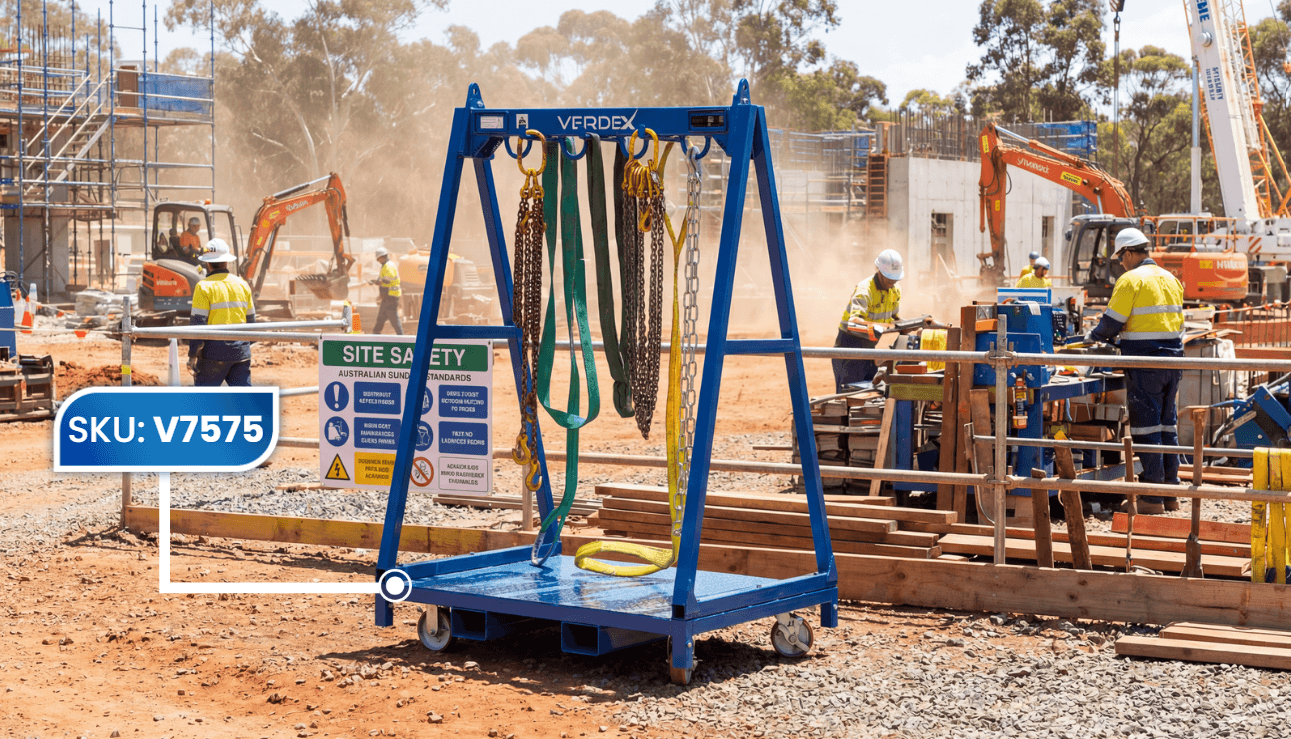
Structured storage systems also play an important role in keeping access routes clear by keeping equipment off the ground and properly organised. An A-frame, such as the Verdex A-Frame Rigging Rack - 1250mm, provides a compact and organised storage solution for busy worksites.
Preventing Material Damage
Safe handling isn’t just about worker safety — it also protects materials and reduces waste.
-
Use carts, trolleys, and stillages to transport items without dropping or dragging them
-
Store materials on pallets or racks to prevent moisture or dirt damage
-
Separate incompatible materials to avoid scratches, dents, or chemical reactions
Well-maintained and organised materials reduce rework and help maintain project timelines.
Practical Review and Planning
A safe and efficient material handling system begins before work starts:
-
Audit your site layout — identify storage zones, access routes, and work areas
-
Assess material types and quantities — heavy, bulky, fragile
-
Select appropriate equipment — trolleys, carts, cages, stillages, or mechanical lifts
-
Plan movement routes — minimise travel distances and crossing paths
-
Train workers — ensure they understand safe lifting, pushing, and pulling techniques
-
Monitor and adjust — review workflow daily and make adjustments to reduce hazards
Planning material movement before tasks begin is key to preventing injuries and maintaining smooth operations.
Support Safer Material Handling with Verdex Solutions
Managing materials safely on construction sites protects workers, preserves materials, and improves efficiency. By focusing on reducing manual carrying, using trolleys and carts, organising materials, shortening travel distances, and keeping access routes clear, construction teams can significantly reduce risk and maintain productivity.
Verdex offers a range of trolleys, cages, stillages, and storage solutions designed for industrial and commercial construction sites, helping teams implement these best practices effectively.