Login / Register













 Trolleys & Hand Trucks
 Cage Trolleys
 Cleaning Carts & Trolleys
 Construction Trolleys
 Custom Trolleys
 Hand Trucks & Dollies
 Laundry/Linen Trolleys
 Lifting Trolleys
 Order Picking Trolleys
 Panel Cart Trolleys
 Platform Trolleys
 Powered Trolleys
 Shelf & Tiered Trolleys
 Shopping Trolleys
 Stainless Steel Trolleys
 Tool Trolleys
 Utility & Service Carts
 Lifting & Handling Equipment
 Forklift Attachments
 Jib Attachments
 Lifting Hoists & Pallet Hooks Accessories
 Load Skates & Tow Tugs
 Manual Stackers & Lifters
 Pallet Jacks
 Pallet Lifters
 Pallet Rotators & Dispenser
 Powered Pallet Trucks & Electric Lifters
 Scissor Lift Trolleys and Tables
 Conveyor Equipment
 Conveyor Frames & Stands
 Roller & Skate Conveyors
 Ladders & Access Equipment
 Container & Yard Ramps
 Ladders & Step Stools
 Work Platforms & Crane Cages
 Drum Handling Equipment
 Drum Storage & Bunding
 Drum Trolleys & Lifters
 Forklift Drum Handling
 Waste Handling & Bins
 Bin Lifters & Tippers
 Plastic Waste & Wheelie Bins
 Steel Waste & Tipping Bins
 Waste Carts
 Dangerous Goods Storage & Spillage
 Aerosol Cans Storage Cages
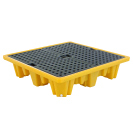 Bunded Pallets & Storage
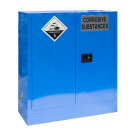 Corrosive Goods Storage Cabinets
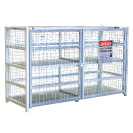 DG Storage & Trolleys
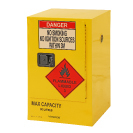 Flammable Liquid Cabinets
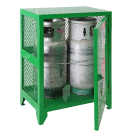 Forklift Gas Storage Cages
 Gas Cylinder Storage Bays
 Site Storage
 Spill Kits
 Shelving & Storage Equipment
 Stillage & Transport Cages
 750 Series Cage Configurations
 Heavy Duty Cabinets
 Heavy Duty Longspan Shelving
 Heavy Duty Shelving
 Mega Bins & Pallets
 Packing & Workbenches
 Parts Trays & Stor-Pak Bins
 Pegboard & Louvre Panels
 Plastic Bins & Crates
 Plastic Handling Solution Bins
 Plastic Pallets
 Stack & Nest Bins
 Pallet Racking Accessories
 Workplace Equipment
 Modular Workbenches
 Electric Height-Adjustable Workbenches
 Floor Matting
 General Workplace Equipment
 Industrial Weighing Scales
 Packaging Machinery
 Stationery Cupboards
 Storage and Stillage Cages
 Tool Trolleys
 Tooling Cabinets
 Workshop Fans and Coolers
 Safety Barriers, PPE & Signage
 Modular Safety Fence System
 Barriers & Bollards
 First Aid Equipment
 Gloves, Knives and PPE
 Signage
 Cleaning & Site Supplies
 Cleaning Equipment
 Cleaning Trolleys
 Rubbish Bins
 Signs & Traffic Supplies
 Construction Equipment
 Construction Trolleys
 Waste Handling
 General Site Equipment
 Concrete Equipment
 Site Storage
 Lifting Equipment
 Spring Workplace Selections


Categories
- Trolleys & Hand Trucks
- Lifting & Handling Equipment
- Conveyor Equipment
- Ladders & Access Equipment
- Drum Handling Equipment
- Waste Handling & Bins
- Dangerous Goods Storage & Spillage
- Shelving & Storage Equipment
- Workplace Equipment
- Safety Barriers, PPE & Signage
- Cleaning & Site Supplies
- Construction Equipment
- Spring Workplace Selections
Gas Cages

FAQs for Gas Cages
1. What are gas cages used for?
Gas cages are used to safely store gas cylinders such as LPG, oxygen, and other compressed gases, helping reduce risks associated with pressurised and flammable materials.
2. What types of gas cylinders can be stored in gas cages?
They are suitable for a range of cylinders including LPG, industrial gases, and medical gases, depending on the cage design and capacity.
3. Why is proper gas cylinder storage important?
Gas cylinders are pressurised and can be hazardous, so proper storage reduces the risk of leaks, fire, and accidental damage.
4. What materials are gas cages made from?
Gas cages are typically constructed from heavy-duty steel with open or mesh-style panels for strength and ventilation.
5. Are gas cages ventilated?
Yes. The open or mesh design allows airflow to prevent the build-up of gases and improve safety.
6. Are gas cages lockable?
Yes. Most gas cages include lockable doors to restrict access and enhance site security.
7. Can gas cages be used outdoors?
Yes. They are commonly used outdoors, but placement should consider weather exposure and site safety requirements.
8. Are gas cages compliant with safety regulations?
They are designed to support compliance with gas storage standards, but users should confirm requirements based on local regulations.
9. What features should I look for in a gas cage?
Key features include capacity, ventilation, secure locking, durable construction, and appropriate hazard signage.
10. How do gas cages improve safety?
They provide a secure, ventilated storage area that reduces fire risk, prevents unauthorised access, and ensures safer handling of gas cylinders.
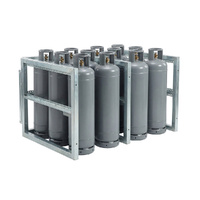
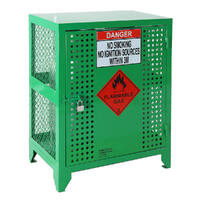
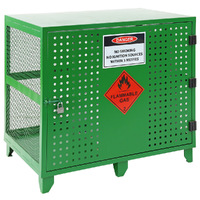
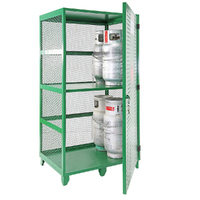
Gas cylinder storage cages are essential for safely storing LPG, oxygen, acetylene, and other compressed gases in industrial, commercial, and construction environments. Designed to meet strict safety requirements, these cages help reduce risk, improve site organisation, and ensure compliance with Australian workplace regulations.
Whether you are managing a warehouse, workshop, or outdoor job site, a properly designed gas cage provides secure, ventilated storage that protects both your team and your assets.
Secure and Compliant Gas Cylinder Storage
Storing gas cylinders correctly is not optional, it is a safety requirement. Gas cages are purpose-built to restrict unauthorised access while allowing safe ventilation. With lockable doors and heavy-duty steel construction, they minimise the risk of tampering, theft, and accidental damage.
Many workplaces must adhere to Australian Standards when handling hazardous gases. Using a compliant gas cylinder cage helps ensure your site meets these obligations while reducing liability.
Built for Harsh Australian Conditions
Gas cylinder cages are manufactured from durable materials such as galvanised or powder-coated steel, making them suitable for both indoor and outdoor use. The robust design ensures long-term performance even in demanding environments like construction sites, mining operations, and industrial facilities.
Ventilated mesh panels allow airflow to prevent dangerous gas build-up, while weather-resistant finishes protect against corrosion and wear.
Flexible Storage Options
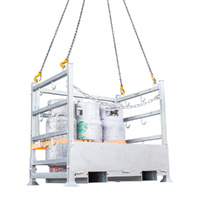
From compact cages for a small number of cylinders to large-capacity units for high-volume storage, there are options to suit every application. Many models include features such as forklift pockets or modular panels, making them easy to relocate or expand as your storage needs grow.
Choosing the right size and configuration ensures efficient use of space while maintaining safe separation between different gas types where required.
Improve Workplace Safety and Organisation
Proper gas storage not only protects your team but also improves overall site efficiency. Gas cages keep cylinders organised, upright, and secure, reducing clutter and making handling safer and more efficient.
By investing in a high-quality gas cylinder storage cage, you are taking a proactive approach to workplace safety, compliance, and operational control.