Login / Register






 Trolleys & Hand Trucks
 Cage Trolleys
 Cleaning Carts & Trolleys
 Construction Trolleys
 Custom Trolleys
 Hand Trucks & Dollies
 Laundry/Linen Trolleys
 Lifting Trolleys
 Order Picking Trolleys
 Panel Cart Trolleys
 Platform Trolleys
 Powered Trolleys
 Shelf & Tiered Trolleys
 Shopping Trolleys
 Stainless Steel Trolleys
 Tool Trolleys
 Utility & Service Carts
 Lifting & Handling Equipment
 Forklift Attachments
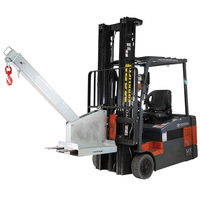 Jib Attachments
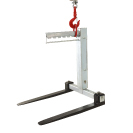 Lifting Hoists & Pallet Hooks Accessories
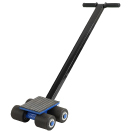 Load Skates & Tow Tugs
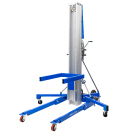 Manual Stackers & Lifters
 Pallet Jacks
 Pallet Lifters
 Pallet Rotators & Dispenser
 Powered Pallet Trucks & Electric Lifters
 Scissor Lift Trolleys and Tables
 Conveyor Equipment
 Conveyor Frames & Stands
 Roller & Skate Conveyors
 Ladders & Access Equipment
 Container & Yard Ramps
 Ladders & Step Stools
 Work Platforms & Crane Cages
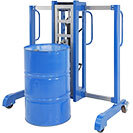 Drum Handling Equipment
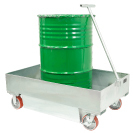 Drum Storage & Bunding
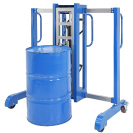 Drum Trolleys & Lifters
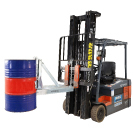 Forklift Drum Handling
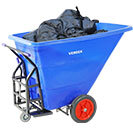 Waste Handling & Bins
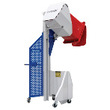 Bin Lifters & Tippers
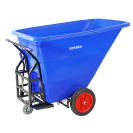 Plastic Waste & Wheelie Bins
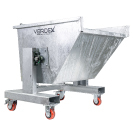 Steel Waste & Tipping Bins
 Waste Carts
 Dangerous Goods Storage & Spillage
 Aerosol Cans Storage Cages
 Bunded Pallets & Storage
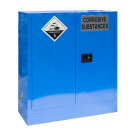 Corrosive Goods Storage Cabinets
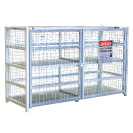 DG Storage & Trolleys
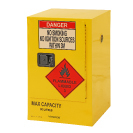 Flammable Liquid Cabinets
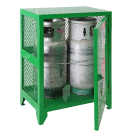 Forklift Gas Storage Cages
 Gas Cylinder Storage Bays
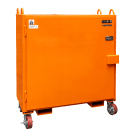 Site Storage
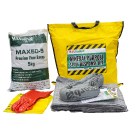 Spill Kits
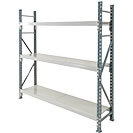 Shelving & Storage Equipment
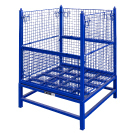 Stillage & Transport Cages
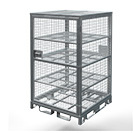 750 Series Cage Configurations
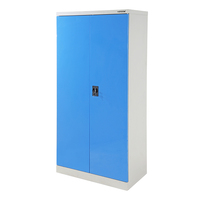 Heavy Duty Cabinets
 Heavy Duty Longspan Shelving
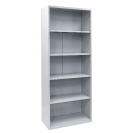 Heavy Duty Shelving
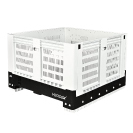 Mega Bins & Pallets
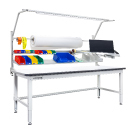 Packing & Workbenches
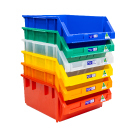 Parts Trays & Stor-Pak Bins
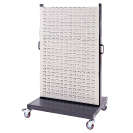 Pegboard & Louvre Panels
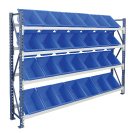 Plastic Bins & Crates
 Plastic Handling Solution Bins
 Plastic Pallets
 Stack & Nest Bins
 Pallet Racking Accessories
 Workplace Equipment
 Modular Workbenches
 Electric Height-Adjustable Workbenches
 Floor Matting
 General Workplace Equipment
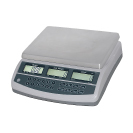 Industrial Weighing Scales
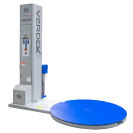 Packaging Machinery
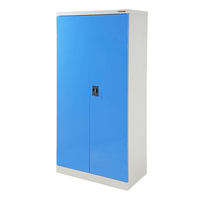 Stationery Cupboards
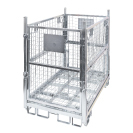 Storage and Stillage Cages
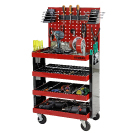 Tool Trolleys
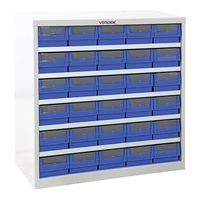 Tooling Cabinets
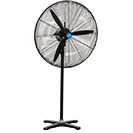 Workshop Fans and Coolers
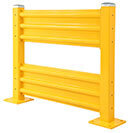 Safety Barriers, PPE & Signage
 Modular Safety Fence System
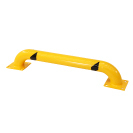 Barriers & Bollards
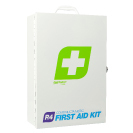 First Aid Equipment
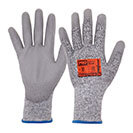 Gloves, Knives and PPE
 Signage
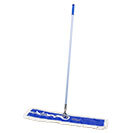 Cleaning & Site Supplies
 Cleaning Equipment
 Cleaning Trolleys
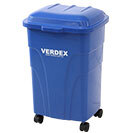 Rubbish Bins
 Signs & Traffic Supplies
 Construction Equipment
 Construction Trolleys
 Waste Handling
 General Site Equipment
 Concrete Equipment
 Site Storage
 Lifting Equipment
 Spring Workplace Selections


Categories
- Trolleys & Hand Trucks
- Lifting & Handling Equipment
- Conveyor Equipment
- Ladders & Access Equipment
- Drum Handling Equipment
- Waste Handling & Bins
- Dangerous Goods Storage & Spillage
- Shelving & Storage Equipment
- Workplace Equipment
- Safety Barriers, PPE & Signage
- Cleaning & Site Supplies
- Construction Equipment
- Spring Workplace Selections
Rubbish Bins

Frequently Asked Questions for Rubbish Bins
1. What types of rubbish bins are suitable for industrial use?
Industrial rubbish bins are designed to handle higher volumes of waste and more demanding conditions than standard bins. They are commonly used in warehouses, construction sites, and commercial facilities. Options vary depending on capacity, material, and mobility, allowing businesses to choose bins that suit their waste type and operational needs.
2. How do rubbish bins improve workplace safety?
Proper waste management helps reduce clutter, which can lead to slips, trips, and restricted access. Using the right rubbish bins ensures waste is contained and disposed of efficiently, helping maintain clear walkways and safer work areas, particularly in high-traffic environments.
3. What size rubbish bin should I choose?
The right size depends on the volume of waste generated and how frequently it is collected. Larger bins are suitable for high-output environments, while smaller bins work well in confined areas. Choosing the correct size helps improve efficiency and reduces the need for constant emptying.
4. Are mobile rubbish bins better for workplace use?
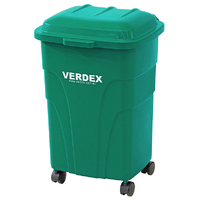
Mobile rubbish bins allow for easier movement of waste across a site, which is particularly useful in large facilities or outdoor areas. They help reduce manual handling and improve efficiency by allowing staff to transport waste safely without lifting heavy loads.
5. What materials are industrial rubbish bins made from?
Industrial rubbish bins are typically made from durable materials such as heavy-duty plastic or steel. These materials are chosen for their ability to withstand regular use, exposure to different environments, and the handling of various waste types.
6. Which industries commonly use industrial rubbish bins?
Rubbish bins are widely used across warehousing, construction, manufacturing, hospitality, and facilities management. Any workplace that generates waste regularly benefits from having the right bins to support efficient and safe waste handling processes.
7. Can rubbish bins help with workplace organisation?
Yes, having designated bins for different waste types helps keep work areas organised and reduces clutter. This supports better workflow, makes cleaning easier, and helps staff manage waste more efficiently throughout the day.
8. How often should industrial rubbish bins be emptied?
This depends on the type of waste and the volume generated. High-use environments may require daily emptying, while lower-use areas may need less frequent servicing. Regular emptying helps maintain hygiene and prevents overflow or odour issues.
9. Are rubbish bins suitable for outdoor use?
Many industrial rubbish bins are designed for both indoor and outdoor use. Durable construction allows them to withstand weather exposure, making them suitable for construction sites, loading docks, and external work areas.
10. What should I consider when choosing a rubbish bin?
Consider waste type, bin capacity, location, and how often it will be used. Mobility, durability, and ease of emptying are also important factors. Selecting the right bin helps improve efficiency, safety, and overall waste management in the workplace.
Rubbish Bins – Versatile, Durable Solutions for Every Waste Stream
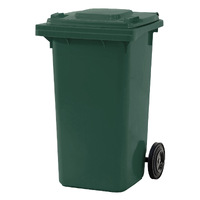
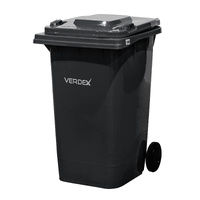
The term Rubbish Bins encompasses the fundamental containers necessary for collecting and storing general waste, recycling, and materials across all commercial, institutional, and industrial settings. From compact office disposal to large-scale municipal-style wheelie bins, selecting the right size and material is key to maintaining hygiene, managing collection logistics, and meeting local waste guidelines.
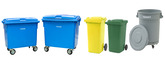
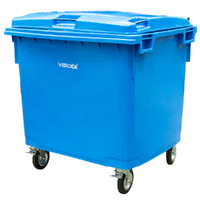
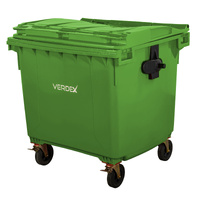
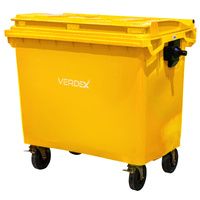
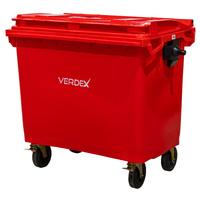
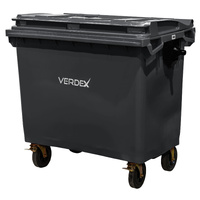
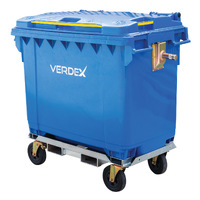
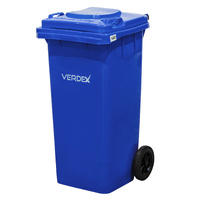
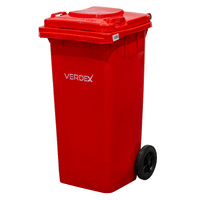
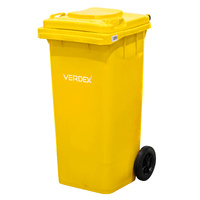
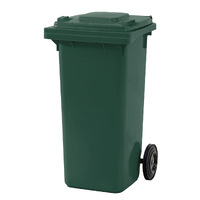
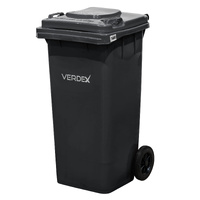
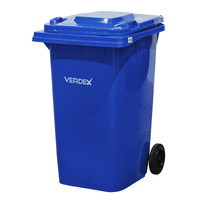
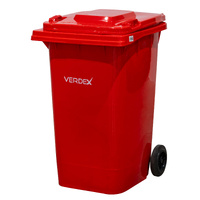
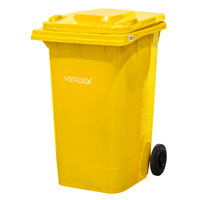
Verdex is a leading supplier of certified Rubbish Bins built for longevity and compliance. Our range covers every size requirement, from the popular 120L Rubbish Bins and standard 240L Rubbish Bins, right up to high-capacity containers. Find the perfect container for your needs within our extensive catalogue of Waste Handling Equipment.
Matching Bins to Your Waste Volume
Choosing the correct bin volume is crucial for efficiency. Too small, and you face overflow and unsightliness; too large, and you pay to collect air.
-
Commercial and Office Waste: Smaller wheelie bins and dedicated Lunchroom Bins are ideal for daily, low-volume consumption, ensuring waste is regularly transferred to a central collection point.
-
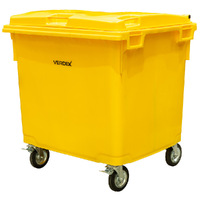
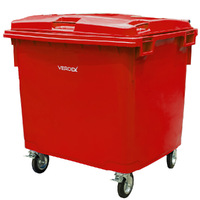
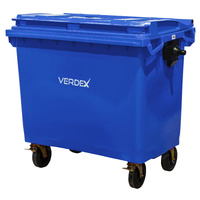
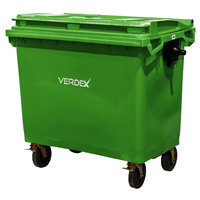
High-Volume Industrial: For manufacturing or large commercial complexes, bulk containers like 660L Rubbish Bins and massive 1100L Rubbish Bins are essential for consolidating large amounts of materials.
-
Specialised Collection: For internal logistics across vast floor plans, consider using bins and accessories like Shopping Bin Waste Trolleys.
Durability and Compliance for Long-Term Use
Our Rubbish Bins are not just simple containers; they are built with features that enhance safety, hygiene, and durability in tough environments.
-
Robust Construction: Manufactured using high-density polyethylene (HDPE) or durable steel, our bins resist harsh weather, chemicals, and impact damage.
-
Certified Wheels and Lids: All wheelie bins feature heavy-duty wheels and secure lids to contain odors and prevent wind scatter, vital for public-facing areas.
Integrating Bins with Tipping Equipment
For industrial sites, many of our larger Rubbish Bins are compatible with lifting and emptying equipment, streamlining your disposal process.
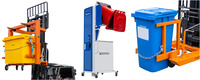
Bins with specialised lifting points may be handled by Forklift Bins Tipping Attachments, while certain industrial materials benefit from the total discharge capabilities of Rotatable Bins. Choosing the right bin type at the outset ensures seamless integration with your future waste machinery.
Verdex, Your Trusted Waste Handling Equipment Supplier
We focus on providing certified waste containers that simplify site management, comply with Australian standards, and offer the best long-term value.
Browse Verdex’s complete range of Rubbish Bins online today. Secure the right container for every waste stream with fast shipping.