Login / Register





 Trolleys & Hand Trucks
 Cage Trolleys
 Cleaning Carts & Trolleys
 Construction Trolleys
 Custom Trolleys
 Hand Trucks & Dollies
 Laundry/Linen Trolleys
 Lifting Trolleys
 Order Picking Trolleys
 Panel Cart Trolleys
 Platform Trolleys
 Powered Trolleys
 Shelf & Tiered Trolleys
 Shopping Trolleys
 Stainless Steel Trolleys
 Tool Trolleys
 Utility & Service Carts
 Lifting & Handling Equipment
 Forklift Attachments
 Jib Attachments
 Lifting Hoists & Pallet Hooks Accessories
 Load Skates & Tow Tugs
 Manual Stackers & Lifters
 Pallet Jacks
 Pallet Lifters
 Pallet Rotators & Dispenser
 Powered Pallet Trucks & Electric Lifters
 Scissor Lift Trolleys and Tables
 Conveyor Equipment
 Conveyor Frames & Stands
 Roller & Skate Conveyors
 Ladders & Access Equipment
 Container & Yard Ramps
 Ladders & Step Stools
 Work Platforms & Crane Cages
 Drum Handling Equipment
 Drum Storage & Bunding
 Drum Trolleys & Lifters
 Forklift Drum Handling
 Waste Handling & Bins
 Bin Lifters & Tippers
 Plastic Waste & Wheelie Bins
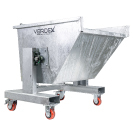 Steel Waste & Tipping Bins
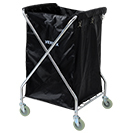 Waste Carts
 Dangerous Goods Storage & Spillage
 Aerosol Cans Storage Cages
 Bunded Pallets & Storage
 Corrosive Goods Storage Cabinets
 DG Storage & Trolleys
 Flammable Liquid Cabinets
 Forklift Gas Storage Cages
 Gas Cylinder Storage Bays
 Site Storage
 Spill Kits
 Shelving & Storage Equipment
 Stillage & Transport Cages
 750 Series Cage Configurations
 Heavy Duty Cabinets
 Heavy Duty Longspan Shelving
 Heavy Duty Shelving
 Mega Bins & Pallets
 Packing & Workbenches
 Parts Trays & Stor-Pak Bins
 Pegboard & Louvre Panels
 Plastic Bins & Crates
 Plastic Handling Solution Bins
 Plastic Pallets
 Stack & Nest Bins
 Pallet Racking Accessories
 Workplace Equipment
 Modular Workbenches
 Electric Height-Adjustable Workbenches
 Floor Matting
 General Workplace Equipment
 Industrial Weighing Scales
 Packaging Machinery
 Stationery Cupboards
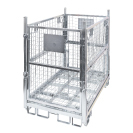 Storage and Stillage Cages
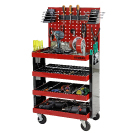 Tool Trolleys
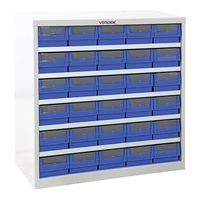 Tooling Cabinets
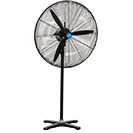 Workshop Fans and Coolers
 Safety Barriers, PPE & Signage
 Modular Safety Fence System
 Barriers & Bollards
 First Aid Equipment
 Gloves, Knives and PPE
 Signage
 Cleaning & Site Supplies
 Cleaning Equipment
 Cleaning Trolleys
 Rubbish Bins
 Signs & Traffic Supplies
 Construction Equipment
 Construction Trolleys
 Waste Handling
 General Site Equipment
 Concrete Equipment
 Site Storage
 Lifting Equipment
 Spring Workplace Selections


Categories
- Trolleys & Hand Trucks
- Lifting & Handling Equipment
- Conveyor Equipment
- Ladders & Access Equipment
- Drum Handling Equipment
- Waste Handling & Bins
- Dangerous Goods Storage & Spillage
- Shelving & Storage Equipment
- Workplace Equipment
- Safety Barriers, PPE & Signage
- Cleaning & Site Supplies
- Construction Equipment
- Spring Workplace Selections
Subcategories
Waste Bins

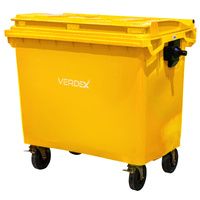
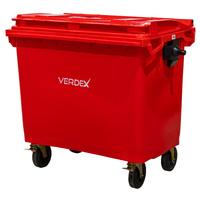
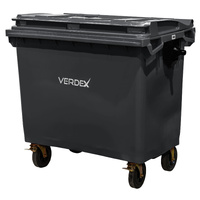
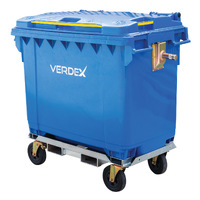
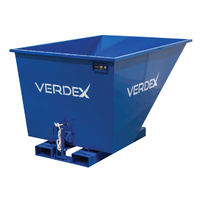
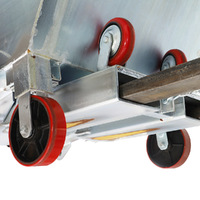
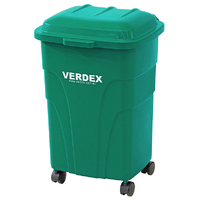
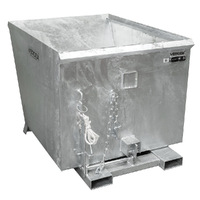
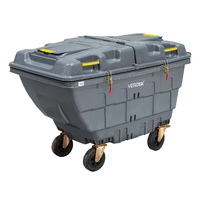
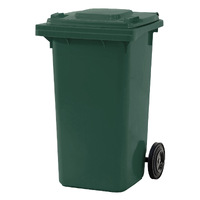
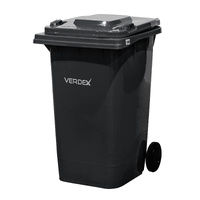
Frequently Asked Questions for Waste Bins
1. What are waste bins used for in workplaces?
Waste bins are used to collect and manage everyday rubbish, recyclables, and site waste. They help maintain cleanliness and support organised waste handling across different work areas.
2. What types of waste bins are available?
There are many types including wheelie bins, steel bins, tipping bins, and specialised bins for specific materials. The right type depends on the waste and environment.
3. How do I choose the right bin size?
Bin size should match the volume of waste generated and how often it is collected. Larger bins suit high-use areas, while smaller bins are better for light or frequent disposal.
4. Are waste bins suitable for different waste streams?
Yes, waste bins can be used for general waste, recycling, and specialised materials. Many sites use multiple bins to separate waste and improve efficiency.
5. How do waste bins improve workplace organisation?
They provide designated areas for disposal, helping reduce clutter and keeping workspaces clean. This supports safer and more efficient operations.
6. What materials are waste bins made from?
Waste bins are typically made from plastic or steel. Plastic bins are lightweight and corrosion-resistant, while steel bins are suited to heavy-duty applications.
7. Can waste bins be used both indoors and outdoors?
Yes, many waste bins are designed for both indoor and outdoor use. The material and construction should match the conditions they will be exposed to.
8. How do waste bins support safety on site?
By containing waste properly, bins help reduce trip hazards, spills, and clutter. This contributes to a safer working environment.
9. How often should waste bins be emptied?
Emptying frequency depends on usage and waste volume. Regular emptying helps prevent overflow, maintain hygiene, and keep areas clean.
10. What should I consider when selecting waste bins?
Important factors include capacity, durability, type of waste, and handling method. Choosing the right bin ensures it meets operational needs and performs reliably.
Waste Bins – Essential Commercial and Industrial Waste Management Containers
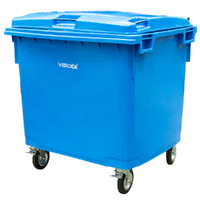
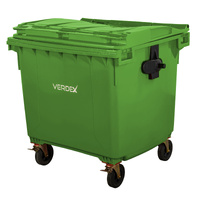
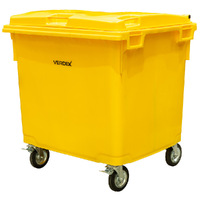
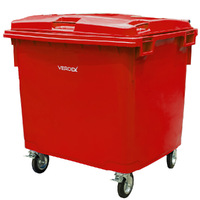
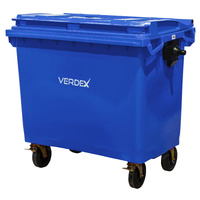
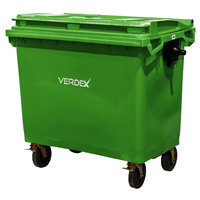
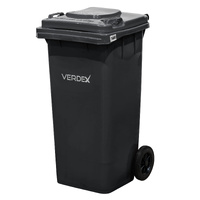
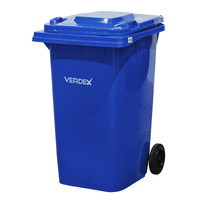
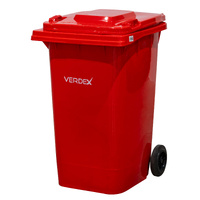
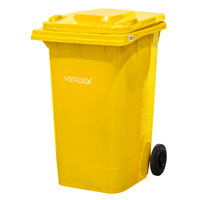
Waste Bins, in an industrial and commercial context, refer to a wide variety of specialised containers designed for the segregation, collection, storage, and transport of refuse, recyclables, and general waste. Ranging from heavy-duty wheelie bins to high-capacity stationary containers, they are fundamental to maintaining hygiene, complying with environmental regulations, and ensuring a tidy, efficient workplace across Australian facilities.
Effective waste segregation at the source is vital for reducing environmental impact and minimising disposal costs. Verdex supplies a diverse range of durable Waste Bins, focusing on materials, capacity, and mobility suitable for continuous industrial use. These containers form the foundation of our extensive Waste Handling and Management Equipment.
Diversity and Specialisation in Waste Bins
Industrial and commercial Waste Bins are engineered for specific environments and waste streams, offering solutions beyond basic refuse collection:
-
Source Segregation: Clearly marked bins facilitate the separation of waste into streams (general refuse, commingled recycling, organic), improving resource recovery efforts.
-
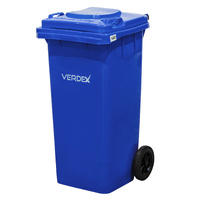
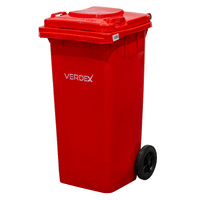
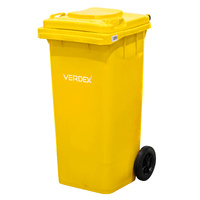
Mobility and Handling: Many designs feature robust wheels and handles for manual transport, or they are designed to interface seamlessly with machinery, such as Wheelie Bin Lifters and Tippers.
-
Durability and Safety: Constructed from high-density polyethylene (HDPE) or steel to withstand chemical exposure, heavy loads, and harsh weather conditions, unlike light domestic options.
How Waste Bins Are Used in Various Workplaces
Waste Bins are required in virtually every sector, but specialised industrial bins are critical where large volumes or unique materials are handled. They are essential across a broad range of Australian industries, including Retail, Manufacturing, Logistics, Healthcare, Mining, and Hospitality, with specific use cases in the following workplaces:
-
Manufacturing Assembly Lines: Used to place small, designated bins (e.g., colour-coded lids) at each workstation for the immediate disposal of process waste like off-cuts, packaging, or faulty components.
-
Commercial Office Towers: Employed for high-capacity collection in kitchens, lunchrooms, and paper recycling points throughout multiple floors.
-
Food Processing Plants: Requires specialised, pedal-operated or lid-sealed bins to maintain strict hygiene control over organic waste and packaging material.
-
Hospital and Healthcare Facilities: Used for the secure, segregated collection of non-clinical, general waste and recyclables from patient rooms and administrative areas.
-
Retail Shopping Centres: Used in the loading dock area for bulk collection of cardboard and plastic wrap from deliveries, prior to transfer into larger Steel Waste and Tipping Bins.
-
Construction Sites: Utilised for collecting general site litter and small construction waste, often complementing larger, dedicated skip systems or specialised Stackable Site Bins.
-
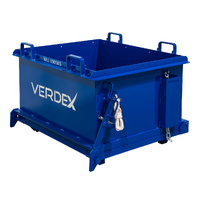
Welding and Engineering Workshops: Used to segregate specific metals or consumables before transferring them to gravity-assisted disposal bins like Drop Bottom Bins or Self Dumping Bins.
-
Apartment and Residential Complexes: Used for centralising resident waste collection for weekly council pickup.
-
Mining and Remote Camps: Deployed for general refuse collection across vast camp sites and administrative areas.
-
High-Reach Disposal: Used in conjunction with Crane Bins for disposal from elevated platforms or rooftops during maintenance work.
Achieve Effective Waste Segregation With Waste Bins
Every Verdex Waste Bin is chosen for its quality, durability, and suitability for commercial and industrial waste streams, helping you achieve compliance and cleanliness.
Upgrade your site's waste management efficiency. Browse our full range of industrial containers online, or contact our team for advice on compliance and sizing for your facility.